




![Alberto Beingolea: “If they insist on not giving [the powers], they are complicating life for Peru”](https://insightermedia.com/wp-content/uploads/2026/09/bb3fa9e11304ea13fe2cd333955007bc-150x150.webp "Alberto Beingolea: “If they insist on not giving [the powers], they are complicating life for Peru”")


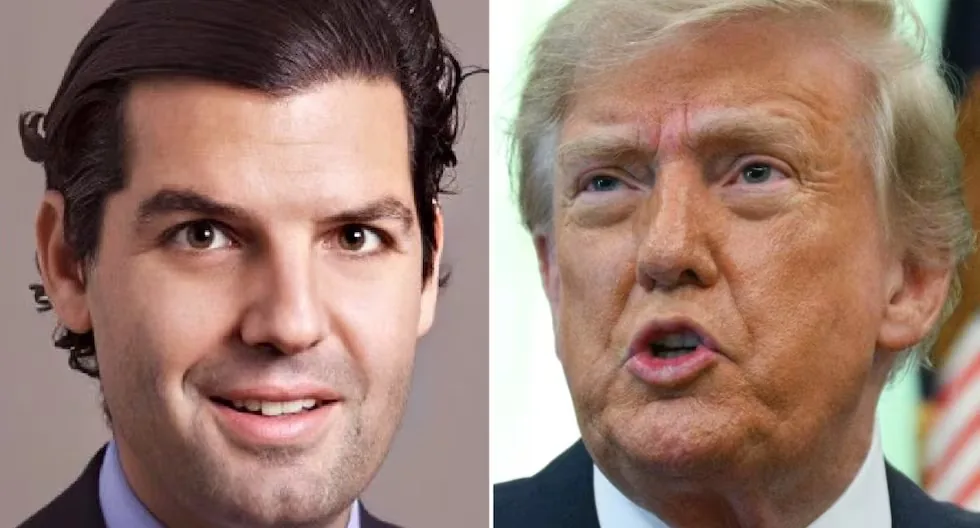
In a statement released by NABEP, Betancourt said that “Venezuela is blessed with an abundance of natural resources, hardworking people, and untapped potential. This transaction will unlock that potential for the great benefit of both Venezuelans and Americans.”
According to NABEP, the company will retain operational control of the business, while the U.S. government will have the right to a 35% stake in the company and preferential access to 20% of its production at cost price.
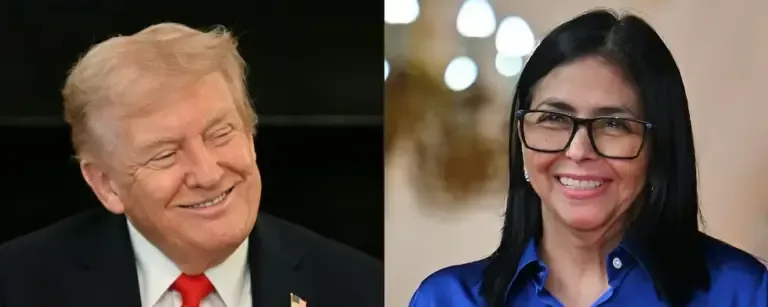
According to the White House, NABEP will invest about 100 billion dollars to recover Venezuela’s deteriorated oil infrastructure and will pay, over the next 25 years, more than 200 billion dollars in taxes to Venezuelan authorities.
Who is Alejandro Betancourt?
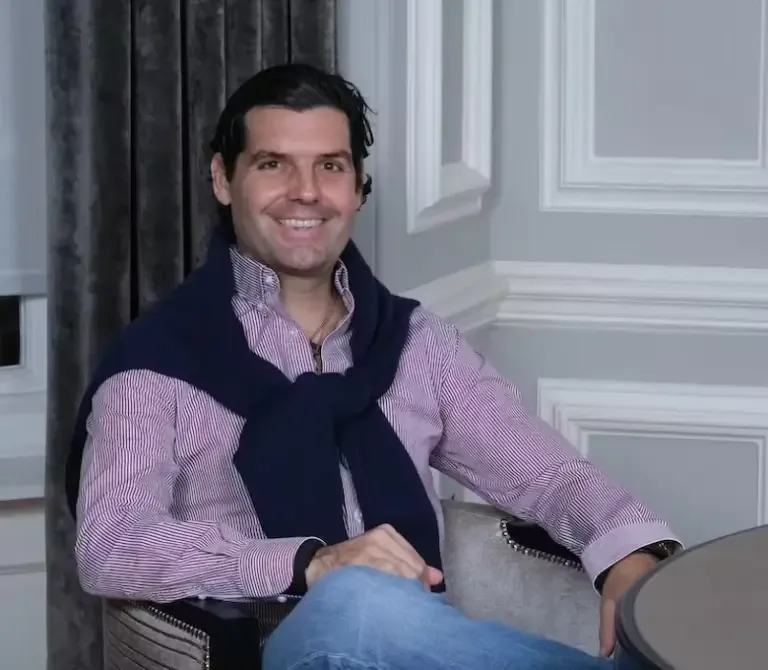
Alejandro Betancourt López studied Economics and Business Administration at Suffolk University in Massachusetts, United States, and later obtained an Executive MBA from Oxford University.
He has a long career as a operator with contacts within Chavismo. He gained notoriety during the government of Hugo Chávez (1999-2013) when in 2003 he founded Derwick Associates de Venezuela S.A., a company focused on building power plants that years later obtained significant contracts to build them in the Caribbean country.
Betancourt is identified in his country as one of the “bolichicos,” young people who, without prior experience in sectors such as oil or electricity, obtained multimillion-dollar public contracts during Chavismo.
According to Transparencia Venezuela, Betancourt amassed his fortune very young through Derwick Associates while Venezuela was going through an unprecedented electrical emergency. It notes that he obtained 12 contracts in less than 14 months for the construction of power plants in different states of the country, without his company showing proven experience in civil works execution.
Calculations by Transparencia Venezuela estimate that the Chávez government paid Betancourt’s company US$ 2.9 billion in alleged overpricing, which led to an investigation in 2015.
According to the EFE agency, Derwick Associates was also accused of bribing Venezuelan officials, such as Diosdado Cabello, to overinvoice.
Betancourt entered the Venezuelan oil business through a corporate structure that ended up participating in Petrozamora, a joint venture created in 2012 between the state-owned Petróleos de Venezuela (PDVSA) and a company linked to Gazprombank.
The company aimed to exploit oil in the Lagunillas and Bachaquero Tierra fields, in the state of Zulia, in the Lake Maracaibo basin. Petrozamora’s activities included exploration, exploitation, collection, transportation, and storage of hydrocarbons.
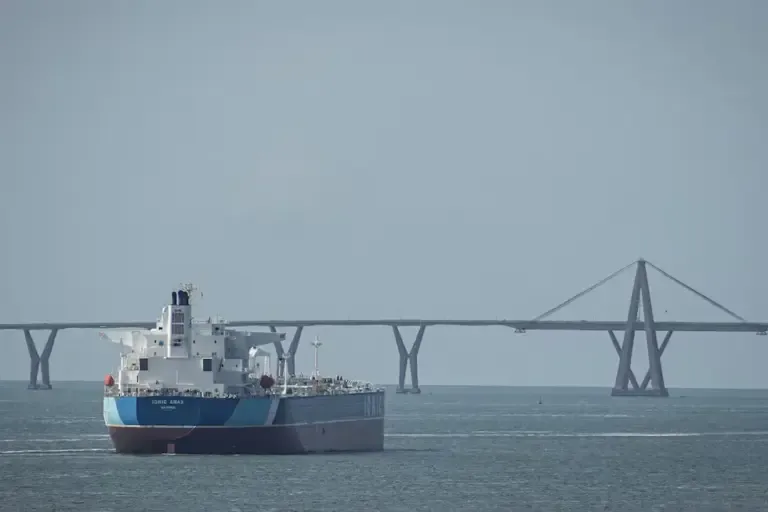
When operations began in July 2012, it was projected that both fields would reach a production of up to 106,000 barrels per day, with an estimated cumulative extraction of about 808 million barrels over 25 years.
Transparencia Venezuela indicates that in 2017, Attorney General Tarek William Saab stated that Betancourt was part of the group of businessmen accused of overpricing contracts with PDVSA.
Meanwhile, in August 2022, then Minister of Oil, Tareck El Aissami, now detained, pointed to Betancourt as one of the recipients of money transferred by financial brokers and brothers Luis Alfonso and Ignacio Enrique Oberto Anselmi in a corruption scheme involving high-ranking former officials that compromised US$ 4.85 billion of PDVSA.
In 2024, Petrozamora would again become a key chapter in Betancourt’s oil career. In April of that year, the businessman returned to this business through NABEP, the company he had created together with American businessman Harry Sargeant III.
NABEP signed that year a Production Sharing Contract with PDVSA and began operating assets linked to Petrozamora, opening a new stage in Betancourt’s relationship with Venezuelan oil.
Today NABEP is presented as the second largest crude producer in Venezuela, behind Chevron, with production exceeding 200,000 barrels per day.
According to Transparencia Venezuela, until mid-October 2025, Betancourt was linked to 50 companies in 15 countries across America, Europe, and Asia, “dedicated to providing financial services, buying and selling oil, and constructing civil works.”
Investigations against Betancourt
The newspaper El País reports that Spain’s National Court reopened, in June of this year, an investigation against Betancourt that had been archived. He is accused, along with partners, of bribing three PDVSA officials with 42 million dollars to defraud US$ 4.85 billion in currency exchange operations channeled through oil, in the case denounced by El Aissami. According to the Spanish investigation, that money would have ended up in companies, investments, and high-value properties in Spain.
In Switzerland, Betancourt faced an investigation for alleged money laundering and an extradition request from the United Kingdom. The request was withdrawn in May 2026 after Trump administration officials intervened with Swiss authorities, according to investigations by The Washington Post and El País.
Betancourt was also under investigation in the United States. Federal prosecutors in New York examined whether Derwick Associates had laundered money or paid bribes related to its electrical contracts in Venezuela. Additionally, his name appeared linked to an investigation into a loan scheme that, according to U.S. prosecutors, allowed the diversion of more than US$1 billion from PDVSA. However, Betancourt was not formally charged in the United States, according to Reuters.
Intermediary between the U.S. and Venezuela
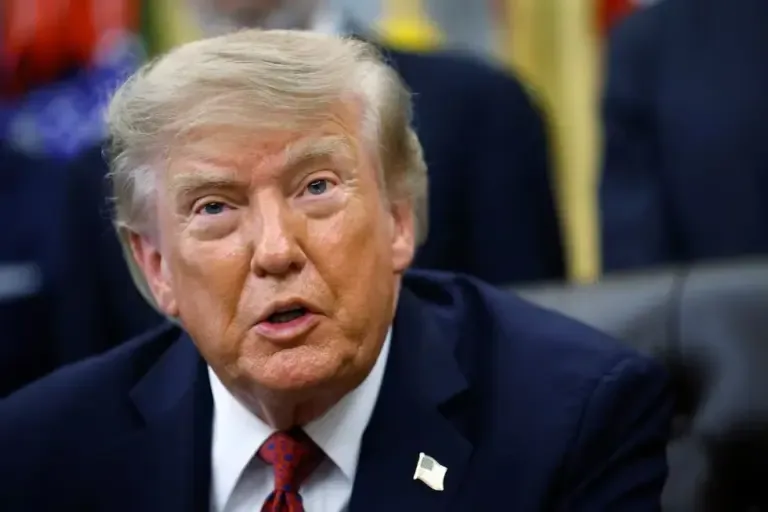
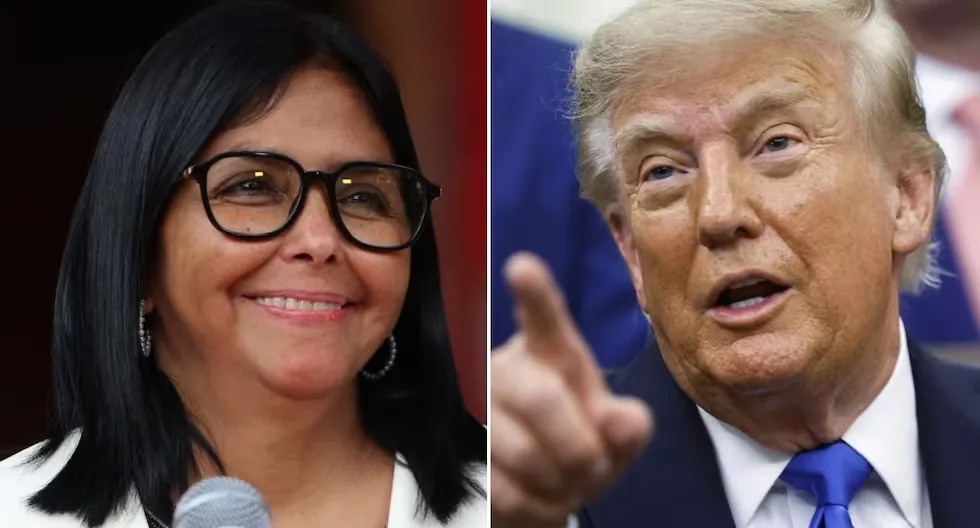
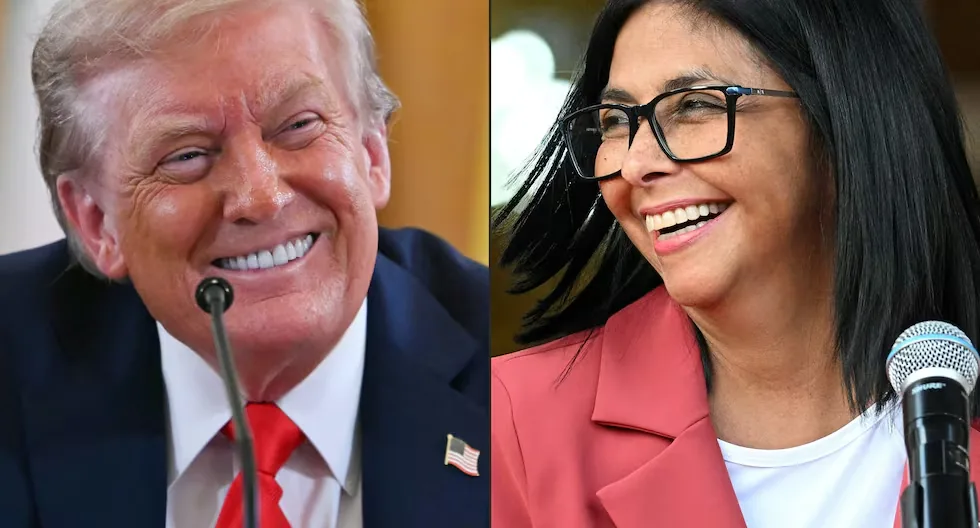
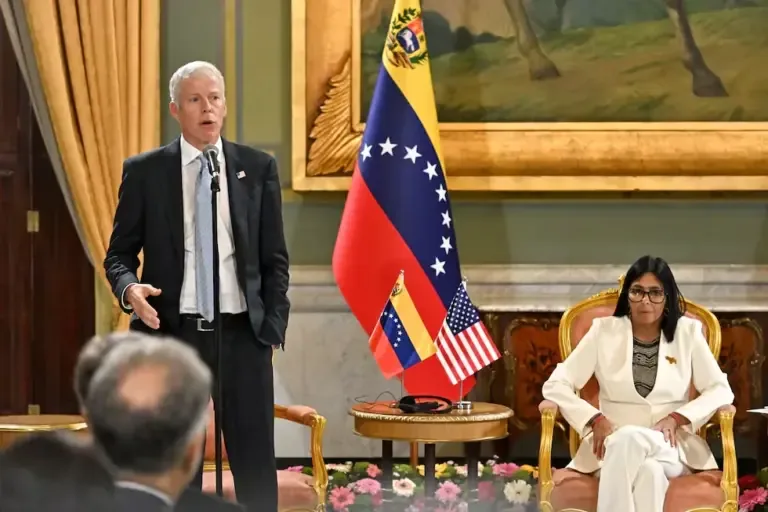
Media outlets such as El País, Bloomberg, and The Washington Post place Betancourt as an intermediary between Delcy Rodríguez and the Trump Administration.
According to The Washington Post, weeks after Nicolás Maduro’s overthrow on January 3 of this year, the United States recruited Betancourt as an intermediary to assert control over the Venezuelan government and oil industry.
Mauricio Claver-Carone, former informal Washington envoy for Venezuela, told Reuters that he and other officials used Betancourt because he understood the oil business both in his country and in the U.S. and could build bridges with the Rodríguez government.
“Not the best partner”
For Andrés Cañizález, journalist and PhD in Political Science and associate researcher at the Andrés Bello Catholic University, the choice of Alejandro Betancourt as the U.S. partner for the oil business with Venezuela is questionable, especially given the businessman’s track record.
“He is not the best partner,” Cañizález told El Comercio. He states that it is inconvenient that the United States, while promoting a process that should lead to economic stabilization and eventually a democratic transition in Venezuela, ends up partnering with a figure “widely accused of shady dealings, irregular handling of funds,” although he clarifies that Betancourt “has no convictions” for those allegations.
Cañizález says he understands the concern of the United States in trying to reactivate Venezuela’s economy, “because it is evident that after seven months, not many agreements have been signed with major companies… so investments are not materializing, and I think that has to do with a fundamental problem, which is the lack of legal certainty that persists in Venezuela.”
In that context, he interprets the direct participation of the United States in new oil projects as an attempt to offer guarantees to investors. “The idea that the United States says ‘I am the one controlling these oil fields and this part of Venezuela’s oil reserves’ is about offering legal guarantees,” he explains. But he warns that it will be necessary to wait to see if companies ultimately respond to that bet.
Regarding the reasons that might have led Washington to choose Betancourt, Cañizález offers a possible explanation: his knowledge of the oil business both in Venezuela and the United States. According to the analyst, that is one of the virtues attributed to the businessman and could explain his closeness to U.S. officials.
“One might think (…) that he understands the oil business in Venezuela and he understands the oil business in the United States and that is why he was frequently consulted by Washington,” he notes.
But even conceding that point, Cañizález maintains his reservations. He acknowledges that Betancourt has experience in the oil sector but questions whether that experience is enough to guarantee the success of a project of such magnitude and duration.
“There are doubts about the capacity that this person and his company may have to successfully carry out this long-term and large-scale project,” he concludes.
Read more Delcy Rodríguez says that there “will be” presidential elections when “Venezuela is ready”