



The public race returns to the Palace

The public race returns to the Palace

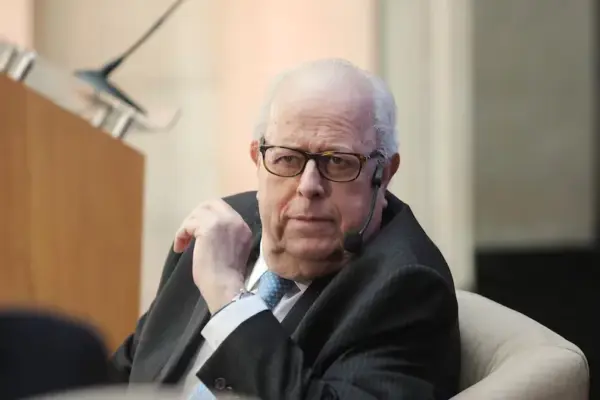
Among the announcements made at the beginning of her administration, President Keiko Fujimori included the commitment to promote a “major civil service reform.” The mention deserves attention not for its novelty — Peru has been trying to organize the public career for more than two decades — but because managing those who work for the State is a condition for implementing the other announced proposals. In this regard, the IDB, in its report “How to Improve State Effectiveness in Latin America and the Caribbean” (2026), highlights three decisive capacities to strengthen the civil service. These are merit-based hiring, executive leadership, and data-driven human resource management.
Read More
The atmosphere in the request for powers: reasons to be alert

The atmosphere in the request for powers: reasons to be alert

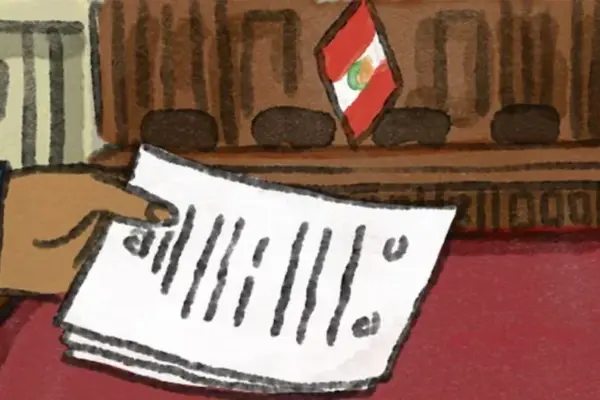
The Executive has requested Congress to delegate powers to legislate on a wide variety of matters. Although the request has been made in general terms, the statement of reasons reveals the underlying objectives and raises alarms about possible impacts on the environment, natural resources, and the rights of indigenous peoples. The text of the bill cannot be read in isolation. It is the statement of reasons that explains what the Executive really intends to legislate with each power it requests, and it is what will later serve as a reference to verify whether the legislative decrees remained within what Congress authorized.

Read More
The seismic memory we do not have

The seismic memory we do not have

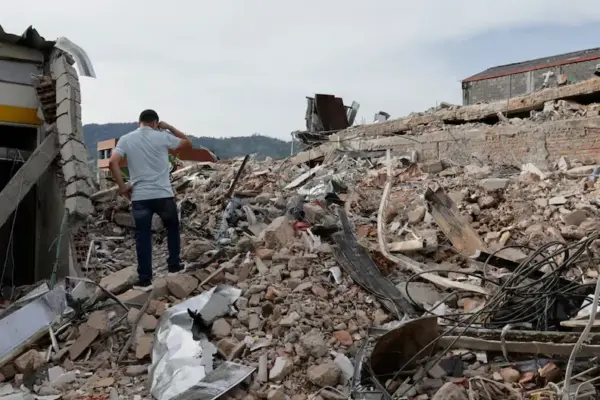
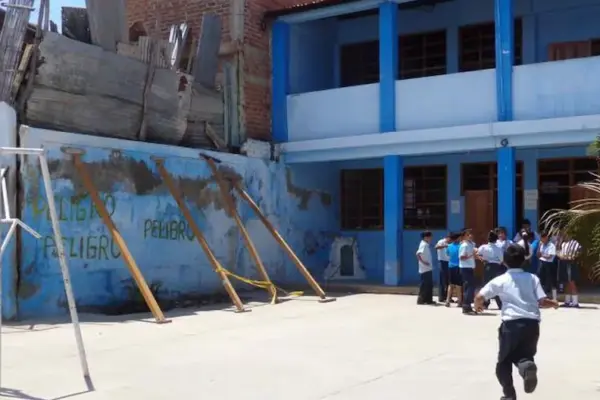
The earth shook again near our country. This time it was our Colombian brothers who felt it, and it is inevitable to ask ourselves the question we always avoid in our capital with some resignation: are we truly prepared for the great earthquake we have been expecting? As an architect and urban planner, the objective answer is forceful and painful: no, we are not. And the problem does not lie solely in the instability of some soils or the quality of our constructions, but in a much deeper and silent vulnerability: the lack of seismic memory and the cultural disconnection with prevention.

Read More
Build on what has been learned

Build on what has been learned

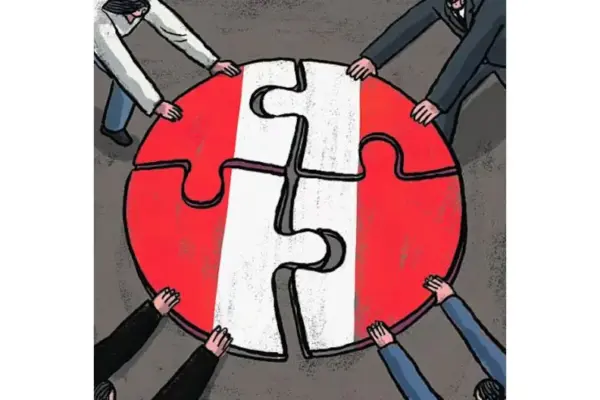
In times when the country is once again debating the direction Peru should take, it is hopeful that children, young people, the elderly, and the most vulnerable families are once again taking a central place on the public agenda. For too long, many of their needs were sidelined by the political situation. Today there is a new opportunity to remember that the true development of a country only makes sense when it improves the lives of those who need it most.

Read More
Tourism: the strategic commitment that the next government cannot postpone

Tourism: the strategic commitment that the next government cannot postpone

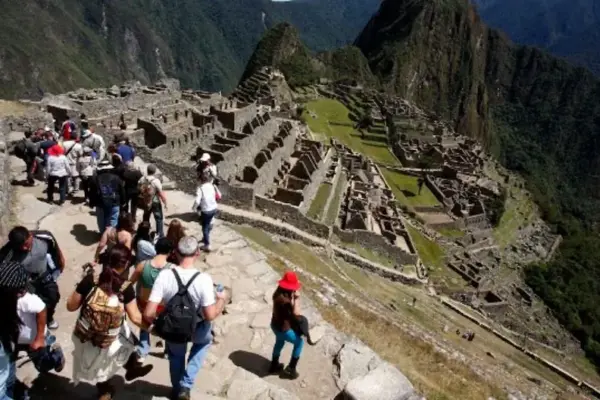
Tourism in Peru does not have a supply problem, but a management problem. We have a millenary history, abundant nature, a very high-quality service, and world-renowned gastronomy. However, as an industry, we are still about 30% behind our pre-pandemic levels, while countries like Chile, Brazil, or Colombia have already surpassed them. In other words, other markets in the region are growing steadily and have already surpassed historical records.

Read More