




![Alberto Beingolea: “If they insist on not giving [the powers], they are complicating life for Peru”](https://insightermedia.com/wp-content/uploads/2026/09/bb3fa9e11304ea13fe2cd333955007bc-150x150.webp "Alberto Beingolea: “If they insist on not giving [the powers], they are complicating life for Peru”")



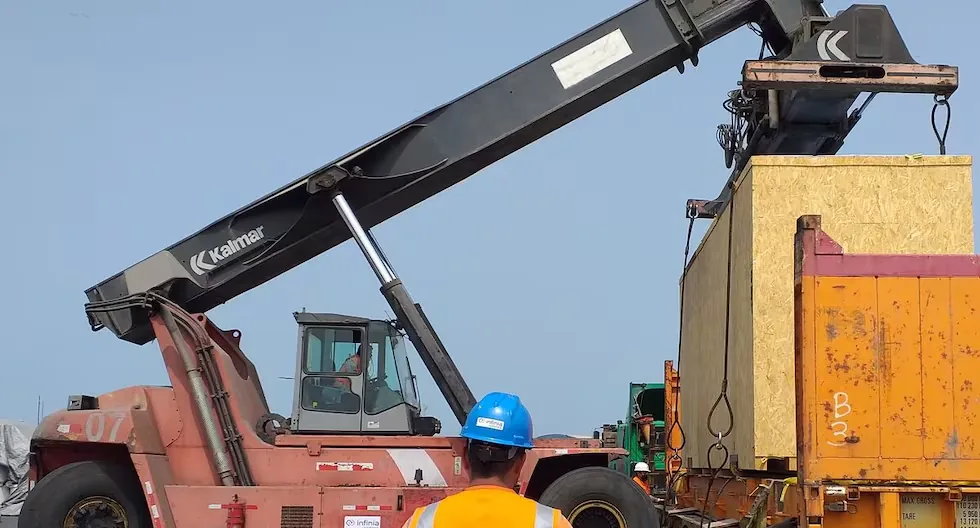

This scenario not only challenges us as a country in how to protect the most vulnerable populations, but also tests companies; they must ensure the continuity of their operations to supply the population. In the 2017 FEN, economic losses of US$4.016 billion were recorded, affecting critical infrastructure such as roads due to heavy rains and river overflows, especially in the northern regions of the country.
Read more The last trips of the congressmen abroad before the bicameral Parliament arrives
This new FEN, in which two events would converge, could cost between half a point and one point of GDP this year, estimated Diego Macera, director of IPE, on RPP. Meanwhile, Credicorp Capital estimates losses of S/ 16 billion between 2026 and 2027, a greater impact than in previous events. However, the company estimates that GDP would remain above 3% due to the dynamism of private investment. Are companies better prepared today?
“In general, from what I have seen of companies, I think we are a little better prepared than in 2017 or 2023, but there is still an opportunity to continue implementing mitigation measures against these increasingly recurrent risks,” says Orlando Rivera, Consulting Solutions leader for Marsh Peru.
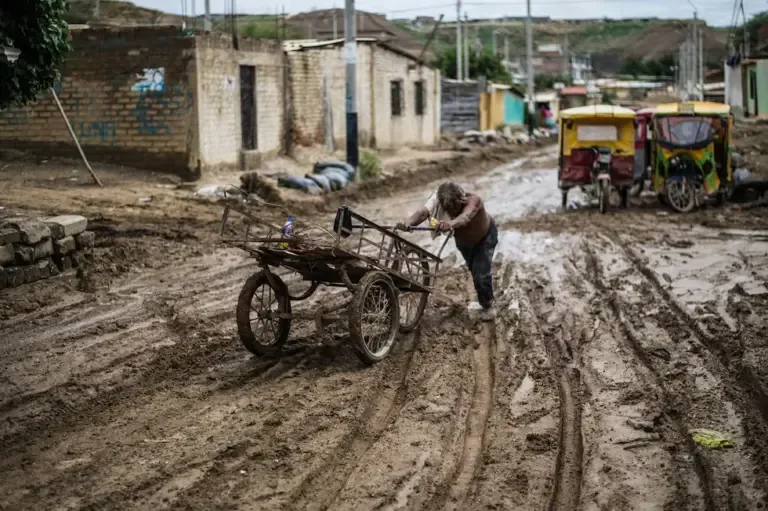
The experience of the 2017 and 2023 events left significant advances in asset protection: many organizations reinforced retaining walls, optimized drainage, and updated emergency protocols. However, Marsh identifies a worrying lack of preparation on the financial front. “Material damage to facilities and equipment is the most visible, but underneath are the risks that truly compromise business viability: supply chain disruption, inability to operate, loss of income, and impact on people. Most companies have not measured the impact of a prolonged shutdown on their liquidity, nor whether their insurance programs reflect the real value exposed to loss,” adds Rivera.
For Manuel Carpio-Rivero, Supply Chain expert and professor at Pacífico Business School, not all companies are equally prepared, as on one hand there are large companies with resources and capabilities to prepare. Many of them, he says, have already activated contingency, prevention, and mitigation plans. On the other hand, there are micro, small, and medium-sized enterprises, which do not have as many resources and, in many cases, lack a preventive culture.
For Marsh, companies must stop considering extreme weather phenomena as an operational risk and instead take them into account in strategic risk management. And, given that projections indicate the greatest impact of the FEN will be more intense towards the end of the year, the executive assures this is a time for preparation. For Carpio-Rivero, there is still room for companies to prepare and take measures, but they must act quickly. “The infrastructure (that is missing) should have been worked on immediately after 2017,” he questions.

Henry Zamora, head of Risk Management at Rimac, details that sectors historically showing greater sensitivity are mining, due to access impacts; agriculture, due to rains; fishing, due to rising sea temperatures; transport and logistics, due to interruptions in critical road corridors; energy and infrastructure, due to possible impacts on facilities and networks; and manufacturing, retail, and mass consumption, due to road blockages, weather—which modifies demand—and exposed areas.
How to guarantee supply?
For Zamora, the risks with the greatest potential impact for companies are operation and logistics interruptions, the possibility of restrictions on personnel and merchandise transport, infrastructure and asset damage, and supply chain disruptions.
Rivera, from Marsh, assures that organizations with mature risk management make investments usually focused on strengthening critical infrastructure, business continuity plans, supply chain protection, preventive maintenance, monitoring and alert systems, and reviewing their insurance programs.
From Rimac, they comment that the protection companies seek against a possible FEN goes far beyond infrastructure, as their goal is to ensure continuity of operations, availability of suppliers, logistics, employee safety, and the ability to continue serving customers. “The current focus is on comprehensive business resilience,” Zamora states.
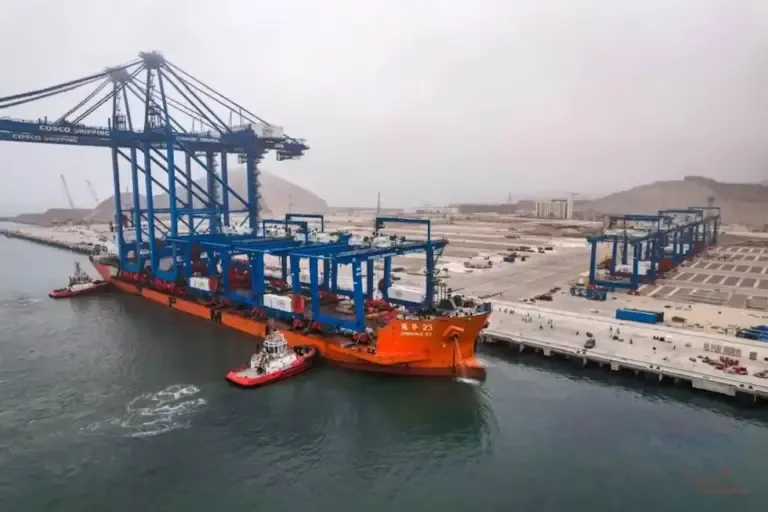
Despite this, insurance penetration in Peru is still low compared to other countries, but this greater awareness has led many organizations to incorporate risk management as part of their planning and have insurance that allows them to be better prepared.
“Companies should already be evaluating which products they will prioritize with their suppliers considering profitability management, and be involved in the entire planning process. There should be a risk committee in charge of contingency and business continuity plans, reviewing what worked in the past. Today, with more information, with AI, a more detailed analysis can be made to make better decisions,” says Hugo Rodríguez, coordinator of the Advanced Specialization Program in Retail Management at ESAN, who has worked in several retail and mass consumption companies.
In that line, Carpio-Rivero points out that companies should already foresee inventories, identify nearby logistics centers, and project an increase in their production capacity to be prepared for the most intense months. Additionally, contingency routes should be reviewed, says the specialist.
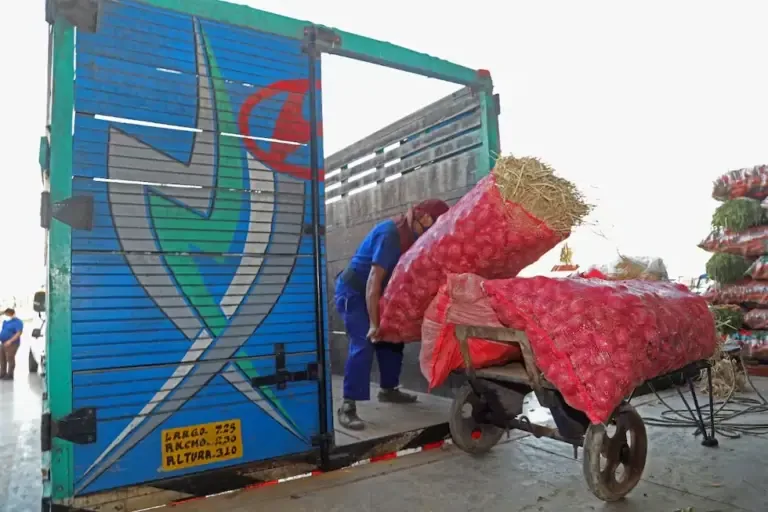
At the end of August, the execution of several of these measures will be seen, adds Rodríguez. In his view, the problem—more than the physical protection of infrastructure—is ensuring the supply of products.
From cbc they comment to Día1 that the main challenges would be associated with possible interruptions in access roads, impact on points of sale, pressure on the supply chain, availability of water, energy, and fuel. Similar events in 2017 and other years precisely showed that the main impact is not always inside a plant but in the operational environment.
Analí Huamancayo, Corporate Affairs manager at cbc Peru, specifies that their continuity plans are aimed at protecting their workers, maintaining critical operation, and ensuring supply. These plans consider inventory review, prioritization of high-demand products, identification of alternate routes, coordination with distributors, and preventive supply in vulnerable areas. “The plans are dynamic and activated according to how the effects of the FEN present themselves,” she states.
The possible reduction of points of sale is a scenario contemplated as contingency, depending on the intensity of the phenomenon. The state of road infrastructure and the capacity of points of sale to remain stable.

Regarding their contingency plans, cbc states that they work several months in advance, from when alerts show a higher level of probability or risk. Huamancayo notes that there is no fixed percentage of billing allocated to emergency management, but it is addressed as an operational continuity and risk management budget. Currently, cbc reaches 200 thousand points of sale nationwide, and approximately 40% of the total is in the north.
Read more AI has already chosen the 2026 World Cup champion: this is how the semifinals and final would end
“We have been strengthening our preparation and response plans to maintain continuity in the supply of our products and in customer and consumer service,” they comment from Alicorp.
And according to the evolution of the phenomenon, the company would activate measures progressively. “We recognize that there is a greater risk than initially expected for this year. Technical bodies project that it may intensify in the coming months. However, unlike what happened in 2017, today we have greater anticipation and preparation capacity,” they said. The Romero Group company notes that they are working on strengthening their contingency plans and preventive measures to mitigate possible operational impacts and ensure continuity of customer service. Although the impact may vary, they indicate that they do not currently foresee a significant and widespread reduction of points of sale as an effect of the FEN.
On their side, Almafin, the financial logistics company of Grupo Andino, highlights that they have been deploying a reinforced inspection plan for their warehouses located in areas considered to have high and medium exposure to the effects of the FEN, especially on the northern and central coast. “This plan aims to validate the infrastructure conditions of field warehouses in order to adopt preventive measures to reduce the probability of material damage or interruptions in our clients’ operations,” details Luis Eléspuru, their general manager.
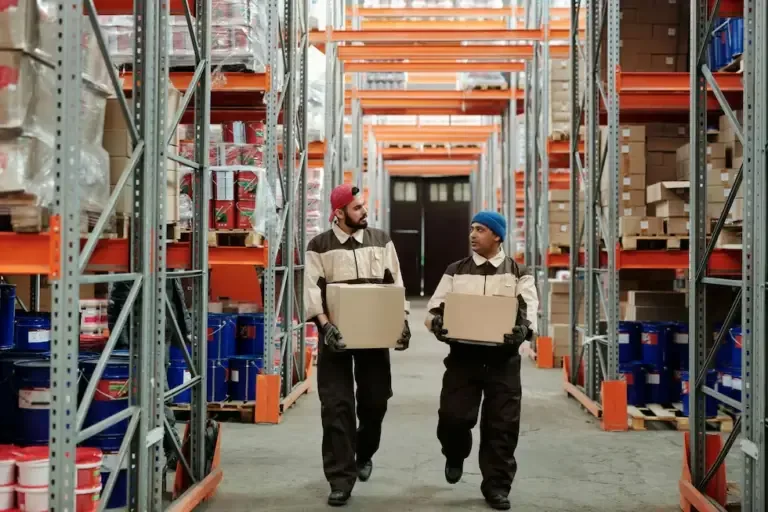
Without proper management, the FEN could impact operations in the short term, which would imply raw material shortages at the plant or product shortages at points of sale and infrastructure damage (plant or warehouses) due to problems that could have been anticipated (drainage systems, leaks). These plans began to be implemented from early July and will remain active until FEN indicators change.
Additionally, as part of the prevention plan, the company will verify that the storage conditions of merchandise in ‘warrant’ (inventory as collateral to access financing) comply with the requirements of current insurance policies, to manage coverage against any damage. Nationwide, the company has more than 30 field warehouses where they safeguard merchandise valued at US$145 million; 5% is in high exposure areas to the FEN and 18% in medium-risk areas.
On the side of small and medium-sized enterprises, they assure they have learned from previous FEN experiences. “Besides maintaining production, the priority is to ensure products reach consumers on time,” notes Rodolfo Ojeda, president of the Small Business guild of the CCL.
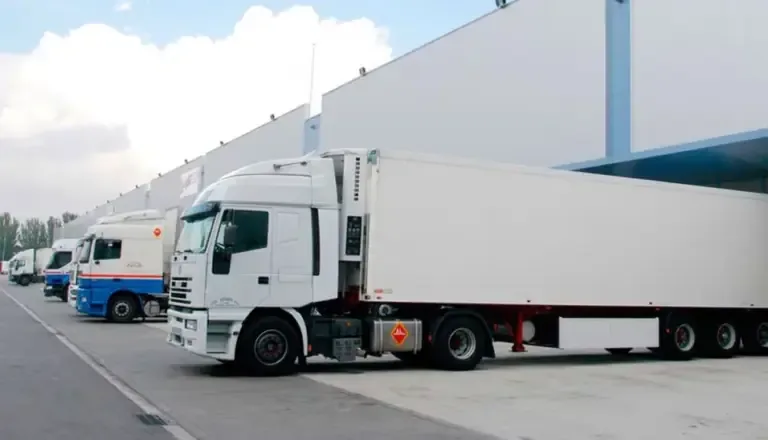
For the interviewees, it is essential that the State guarantees timely maintenance of critical infrastructure and executes the planned prevention works before the phenomenon arrives,
Costs and overcosts
Ojeda mentions that guaranteeing supply demands much more rigorous logistical planning and higher operating costs. That is why there is a possibility that some products will have temporary price increases. “For a large company, these overcosts are manageable, but for an SME it means reducing its profit margin. We are talking about an increase of between 5% and 15% in their costs due to preventive measures, and when roads are interrupted, these logistical costs can rise up to 30%,” he highlights. SMEs make an effort not to pass all that increase on to the consumer, but if the situation prolongs, there comes a point when it becomes inevitable. At that moment, adjustments are seen in food, clothing, construction materials, and commerce.
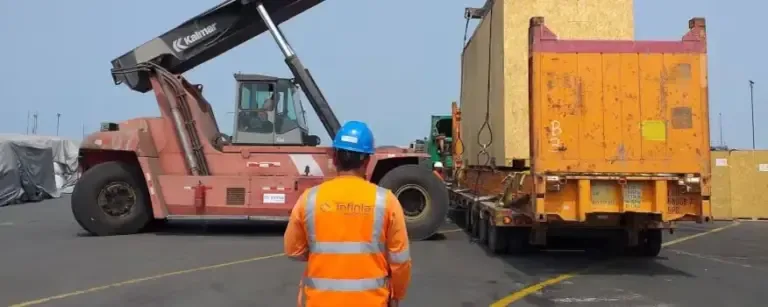
Currently, they are preparing for Independence Day and Christmas, two of the most important commercial seasons of the year. “Many are advancing purchases, strengthening their strategic inventories, adjusting production, and reinforcing their digital channels to ensure customer service even when mobility difficulties exist,” Ojeda points out.
Thus, they will advance part of their production and secure inventories to reduce the risk of shortages, particularly on the northern coast, one of the areas most exposed to the FEN. Today, El Niño’s progress already influences commercial decisions, for example, in production adjustments and offers in the clothing and textile sector.
Carpio-Rivero explains that the average logistics cost of a Peruvian company represents around 16% of its sales, and for microenterprises, this figure can reach, on average, 21%. Within this amount, if the transport and distribution item—which represents 30% of the total logistics cost—is affected, companies must prioritize focusing on alternative options,” he emphasizes.
In fact, he recalls that in 2017 there were cases where logistics costs rose to 60% or 70%, as the impact increases if a main road is cut off.
Meanwhile, Rodríguez from Esan adds that logistics costs include many aspects and that freight represents 8% of operational costs but can represent up to 50% of logistics costs. “In critical situations, that freight can increase by 1% or 2%,” he says.
Added to this is that due to the state of our road infrastructure, average logistics costs in Peru are more expensive than in developed countries, where they represent 8% or 10%, comments Carpio-Rivero.

From Marsh, they point out that international evidence consistently shows that prevention yields higher economic returns: every dollar invested in mitigation measures can generate between US$4 and US$13 in avoided losses, according to a Natural Hazard Mitigation Saves study developed by the National Institute of Building Sciences (NIBS).
Indeed, Carpio-Rivero also emphasizes that with a structured plan in advance, additional logistics costs might not exceed 30% in the face of a more intense FEN.
Read more Hugo García and Isabella Ladera welcomed their first baby together