



![Alberto Beingolea: “If they insist on not giving [the powers], they are complicating life for Peru”](https://insightermedia.com/wp-content/uploads/2026/09/bb3fa9e11304ea13fe2cd333955007bc-150x150.webp "Alberto Beingolea: “If they insist on not giving [the powers], they are complicating life for Peru”")


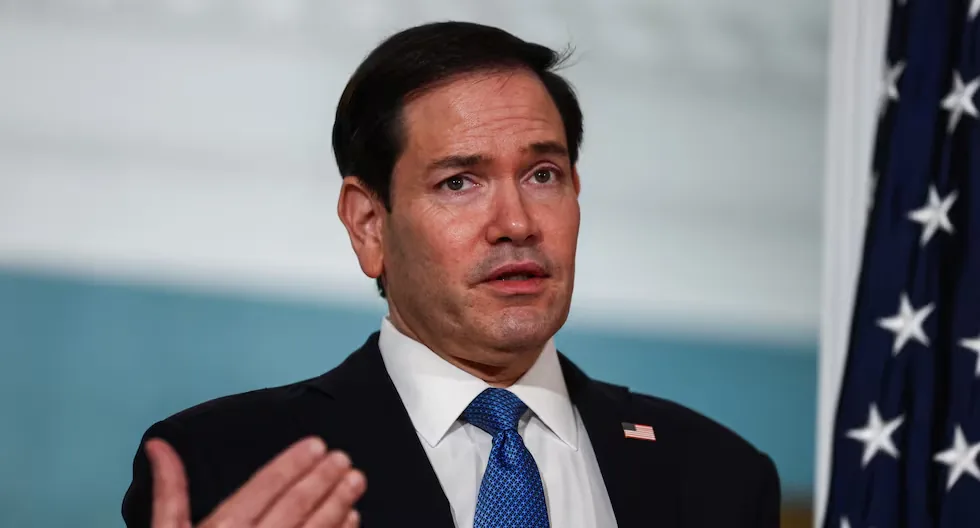
A report published by the American newspaper The New York Times claims that Rubio is today the most powerful figure over Venezuela, and that he exercises absolute control over Rodríguez. The media even states that the Secretary of State has become the “de facto viceroy” of the Caribbean country.
According to the report, President Donald Trump delegated practically all the management of the country to Rubio, to the point of joking about sending him to govern Caracas. In practice, the NYT maintains that he does not need to move to the Venezuelan capital because he already directs the affairs of that nation from Washington.
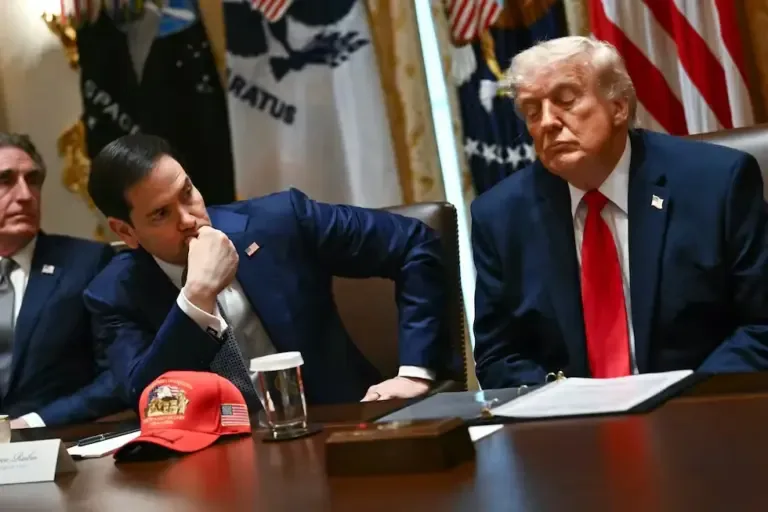
The newspaper states that Rubio frequently chats via WhatsApp with Delcy Rodríguez, exchanging messages in Spanish, photographs, congratulations, and instructions on government matters.
According to sources cited by the NYT, Rodríguez consults Rubio on ministerial appointments, important economic decisions, official publications and diplomatic messages, international trips, responses to political crises.
The report also claims that most of the revenues from Venezuelan oil exports first pass through the United States Treasury, which then releases the funds gradually. Rubio would decide the conditions for using that money, giving him enormous leverage over Caracas.
Rubio would oversee which companies can operate in Venezuela, which licenses they receive, and which foreign companies can invest, especially favoring the entry of U.S. companies into the oil sector, the NYT indicates.
The Secretary of State influences Venezuelan foreign policy. One of the most striking episodes described by the NYT indicates that, after a Venezuelan condemnation of the U.S. attack on Iran, Washington requested the message be withdrawn and it was deleted a few hours later. The newspaper interprets this as evidence that Caracas no longer fully defines its foreign policy.
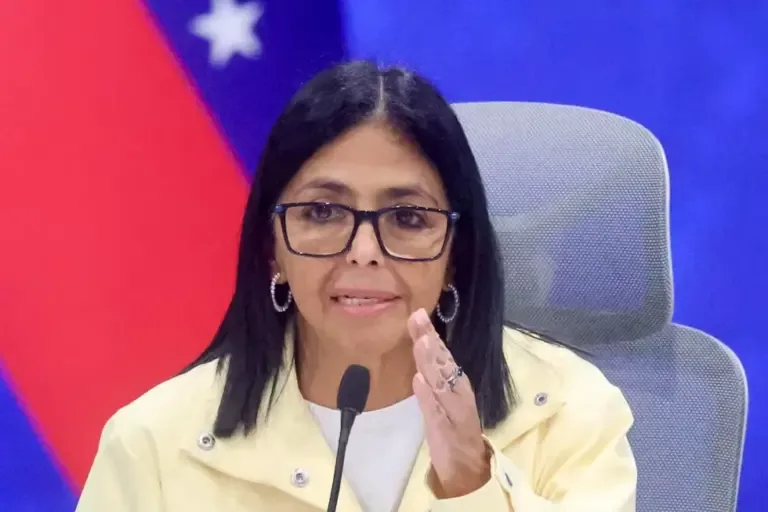
The report states that the government of Rodríguez has collaborated with Washington on extraditions such as in the case of Alex Saab, and in operations against organized crime, including an action against the leader of the Tren de Aragua, alias Niño Guerrero, which was based on information provided by Venezuelan authorities.
It was the first military collaboration between the two countries in decades. Venezuela recovered the body of the leader of the Tren de Aragua and handed it over to the United States, reveals the NYT.
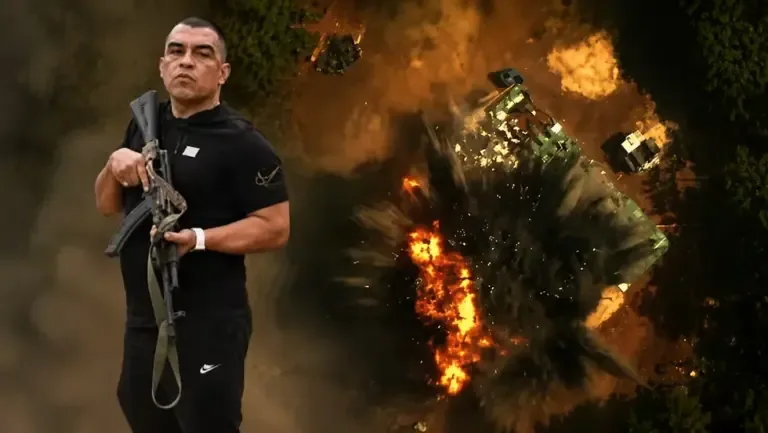
After the earthquakes that occurred in Venezuela, Rubio seeks to strengthen the interim government of Rodríguez by sending 900 military personnel, and has also committed nearly 400 million dollars in aid.
According to the NYT, the earthquakes have complicated Rubio’s objectives, who had proposed a three-stage strategy for Venezuela: recover the economy, stabilize the country; and finally call for elections. No timeline for that outcome has been made public.
Finally, the report states that Rubio prefers Delcy Rodríguez as the figure of the transition rather than the popular opposition leader María Corina Machado.
It indicates that Rubio stopped supporting Machado because he considers that her return to Venezuela could cause instability, as she has fierce enemies among security officials and the military.
Furthermore, Washington does not agree with Machado’s attempts to return to her country after the earthquakes.
“Venezuela lost a war with the United States without the need for an occupation”
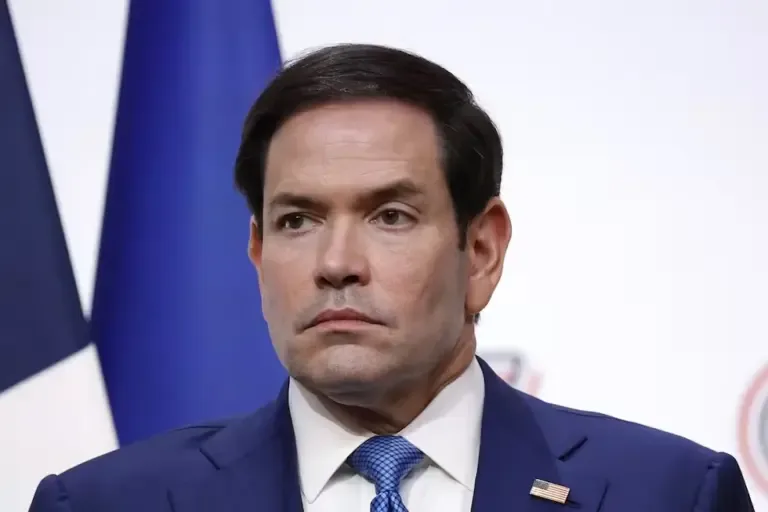
For Venezuelan political scientist José Vicente Carrasquero, the NYT report on the role of Marco Rubio in Venezuela is not an exaggeration, but the description of a political reality that, he states, began after the capture of Maduro.
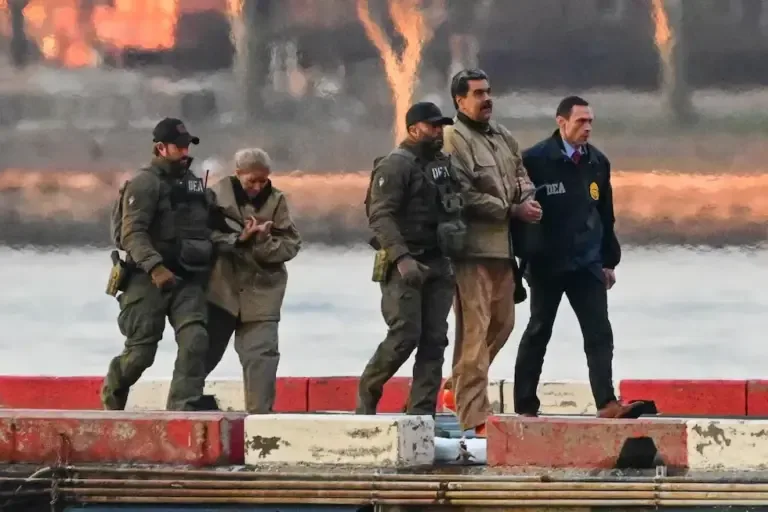
“On January 3, Venezuela lost a war with the United States and, without the need to occupy it, Washington took control of the country,” the analyst tells El Comercio. He adds that President Trump himself made that strategy clear when he stated that same day that the United States “was going to run the country.”
Carrasquero states that since then the most important decisions are no longer made exclusively in Caracas.
“The important decisions about how the money that comes in from oil is managed and many political decisions are made in the State Department,” he emphasizes.
He mentions as an example the meeting between the president of the National Assembly Jorge Rodríguez and opposition leader Dinorah Figuera, as well as reforms to the oil and mining sectors, the reorganization of gold mining in Bolívar state, and the opening to U.S. energy companies.
Read more Brent jumps 9.59% due to escalation in Iran and new U.S. naval blockade
“All of that has been managed with the consent and oversight of the State Department,” he states.
Is there sovereignty left in Venezuela?
Asked about the implications for Venezuelan sovereignty, Carrasquero responds that this discussion actually began much earlier.
He indicates that the break occurred on July 28, 2024, when the presidential election results were disregarded to favor Maduro.
“Since July 28, 2024, you cannot talk about sovereignty in Venezuela,” he emphasizes.
The political scientist argues that by disregarding the popular will, the basic principle of sovereignty was also broken.
“What does it mean to be sovereign? That the people vote and that the people’s decision is obeyed. The people voted, it was not obeyed, and from that moment on there is no popular sovereignty,” he insists.
Under that logic, Carrasquero considers that today there would also be no full administrative sovereignty.
“Administrative sovereignty, the New York Times is saying there is none. Military sovereignty, the actions of the U.S. army inside Venezuela show there is none either,” he specifies.
He even recalls an episode in which Venezuelan Foreign Minister Yván Gil deleted a publication about U.S. operations after, he assures, a demand from Washington.
“They asked him to delete the statement. That shows who really makes certain decisions,” he states.
What is Delcy Rodríguez betting on?
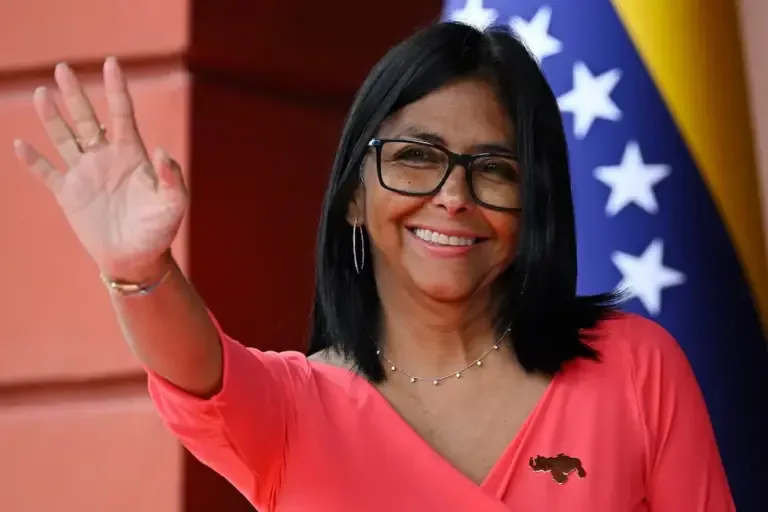
Regarding the reasons that would explain Delcy Rodríguez’s stance towards the United States, Carrasquero considers that her priority is to stay in power to avoid possible judicial processes once the transition ends.
He argues that leaving the government would expose her to investigations for alleged human rights violations, corruption, and links to irregular groups.
“She will obey Trump as long as Trump keeps her there. That is the condition: I keep you in power if you obey me.”
Therefore, Carrasquero interprets Trump’s public praise of Rodríguez as part of that relationship.
“Trump says he works very well with Delcy because she doesn’t complain. He tells her ‘do it’ and she goes and does it,” he states.
A transition with an open ending
Carrasquero considers that Rodríguez and her circle would also be trying to negotiate their political and personal future once the transition process concludes.
However, he warns that this does not guarantee they will ultimately obtain any kind of protection.
“She is managing her future. Whether she succeeds is another matter.”
He opines that a possible negotiated exit could imply that she leaves Venezuela to settle in a third country, which would be Turkey, although he insists that the outcome will depend on how the transition evolves and the decisions adopted by Washington.
Read more The message that Natalie Vértiz shared after celebrating 11 years of marriage with Yaco Eskenazi