




![Alberto Beingolea: “If they insist on not giving [the powers], they are complicating life for Peru”](https://insightermedia.com/wp-content/uploads/2026/09/bb3fa9e11304ea13fe2cd333955007bc-150x150.webp "Alberto Beingolea: “If they insist on not giving [the powers], they are complicating life for Peru”")



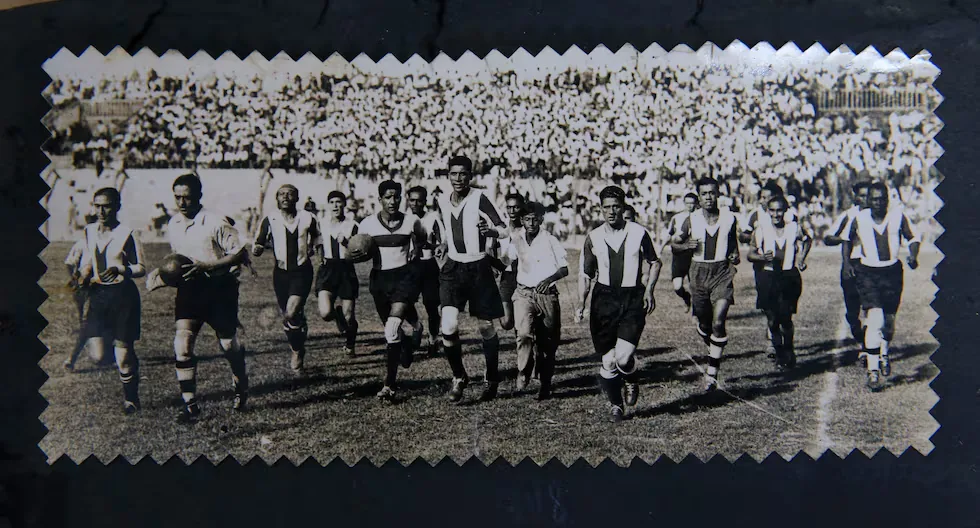
Since its early years, Alianza Lima built its identity on friendship, loyalty, and neighborhood spirit. In the 1920s, that atmosphere of brotherhood and camaraderie made its footballers known as the íntimos. Besides their passion for football, they shared meetings, workdays, and everyday life, forging a bond that transcended the field.
Read more “At the bottom there is room”: Leandro Hernández joins the series as the grandson of ‘Don Gilberto’
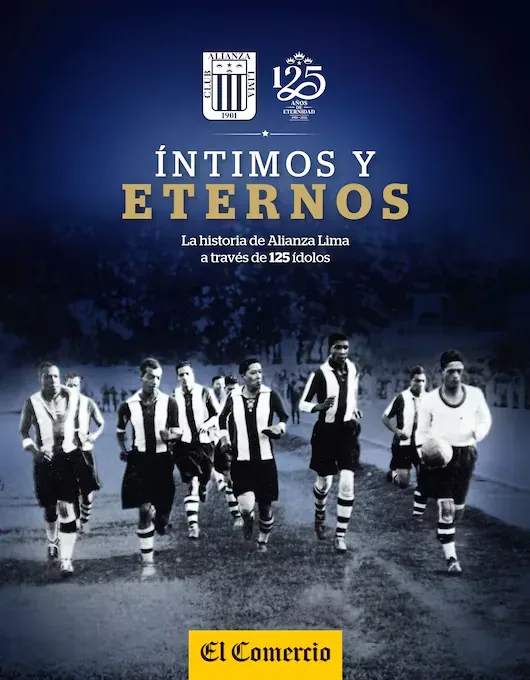
More than a century later, that nickname not only identifies the club but also a way of understanding football through tradition and a sense of belonging. Under that premise, ‘Íntimos y Eternos’ was born, the book published by El Comercio for the 125th anniversary of the institution. A work that reconstructs the blanquiazul legacy through 125 idols whose feats remain alive in the memory of generations of fans.
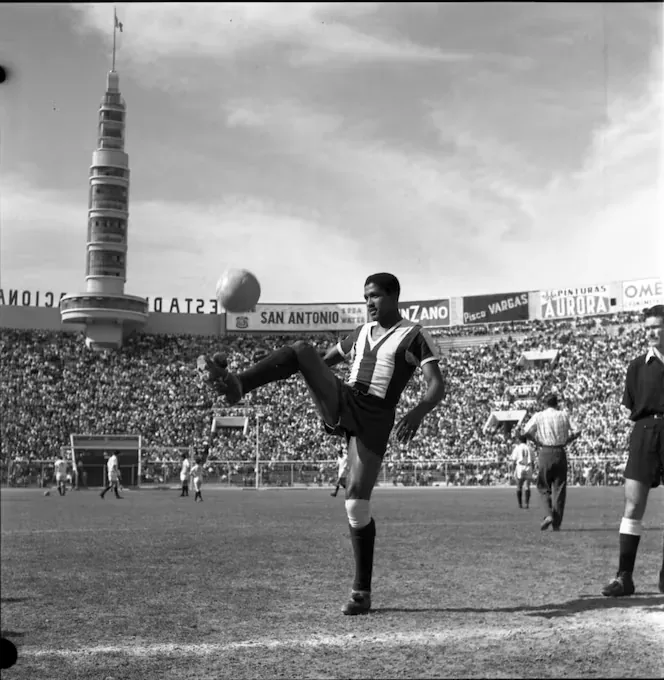
“The identity of a club is transmitted, above all, through its stories. Although very few saw figures like Alejandro Villanueva or Juan Valdivieso play, each generation takes on the task of telling who they were and what they represent,” says Daniel San Román, editor of the publication. “When an institution manages to keep its stories exciting for people born decades later, it ceases to be just a football team and becomes part of a tradition that transcends time,” he adds.
HEROES OF AN ERA
The selection of the 125 idols was probably the biggest challenge of the project. In this regard, San Román explains that the selection was established by Alianza Lima through the Commemorative Editorial Council for the club’s 125 years, made up of representatives of the institution, researchers, and specialized historians. “Three criteria were defined: each player’s sporting contribution, their identification with the club, and the rooting achieved among the Alianza community. Based on that selection, the editorial team took on the research and writing of the profiles that shape the book,” he states.
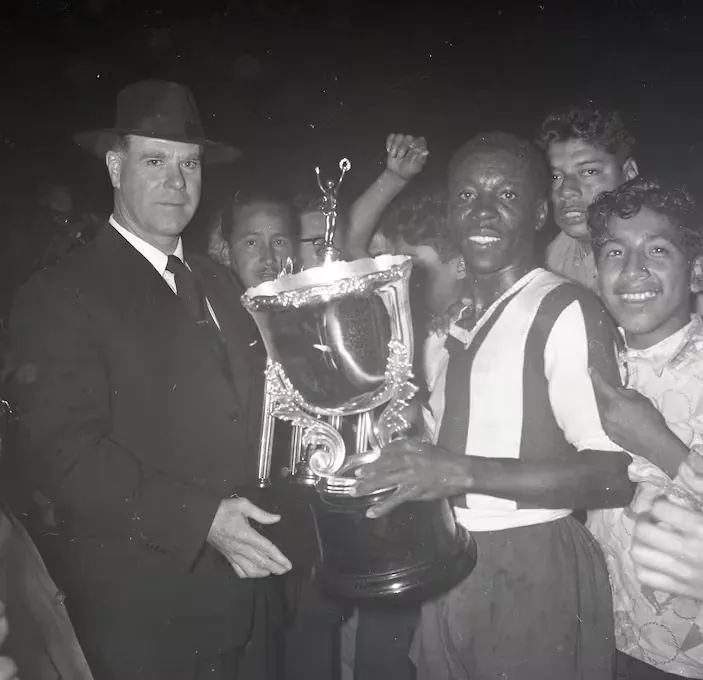
In this way, the reader embarks on a journey through the different stages that marked the history of the blanquiazul club: from its origins in the Chacaritas neighborhood, in the Cercado de Lima, through the Golden Team of the 1930s, the Black Roller of the sixties, the golden generation of the seventies, and the Potrillos of the 1980s and 1990s, up to the present day.
Read more Keiko Fujimori LIVE: follow the president’s activities TODAY, Monday, August 3


Behind every page was meticulous verification work. Each profile and episode was cross-checked with the Alianza Lima History team, whose work was decisive in validating dates, careers, and the context of each protagonist. As a result of that research, the book recognizes the idols of the Golden Team as absolute champions of 1934. “The process required long days of review, source consultation, and debate to achieve the highest possible historical rigor,” says the editor.

The same care was applied to the visual aspect of the work. The Photography and Archive team of the Decano undertook an exhaustive search and identification of images, verifying their authenticity and that each photograph corresponded to the appropriate moment and historical context. Thus, the book not only reconstructs the history of Alianza Lima with words but also through a valuable graphic testimony. //
A luxury collection
‘Íntimos y Eternos: The history of Alianza Lima through 125 idols’ is now available at a price of S/99. The publication, edited by El Comercio, features a carefully crafted hardcover edition and free shipping to any point in the country. Additionally, the purchase includes an annual digital subscription to El Comercio, with unlimited access to the content on elcomercio.pe.
The official presentation of the book will take place on August 3 during the Lima International Book Fair, as part of the celebrations for the 125 years of the blanquiazul club.
Read more Argentina team set the highest peaks of digital payments during the 2026 World Cup
Reserve your Íntimos y Eternos Book HERE
- The day Los Prisioneros escaped tragedy in Utopía and the revelations of the book about the Chilean band’s time in Peru
- Madonna’s “Confessions II”: a return to the dance floor that leaves mixed feelings
- “It was a very hard life”: the biography of Blanca Varela that delves into her love, political, family side, and her Peruvian identity
- After 30: the muscle mass loss no one told you about
- Julia Codesido’s house in Pueblo Libre and the dream of turning it into a cultural circuit like Frida Kahlo’s in Mexico