





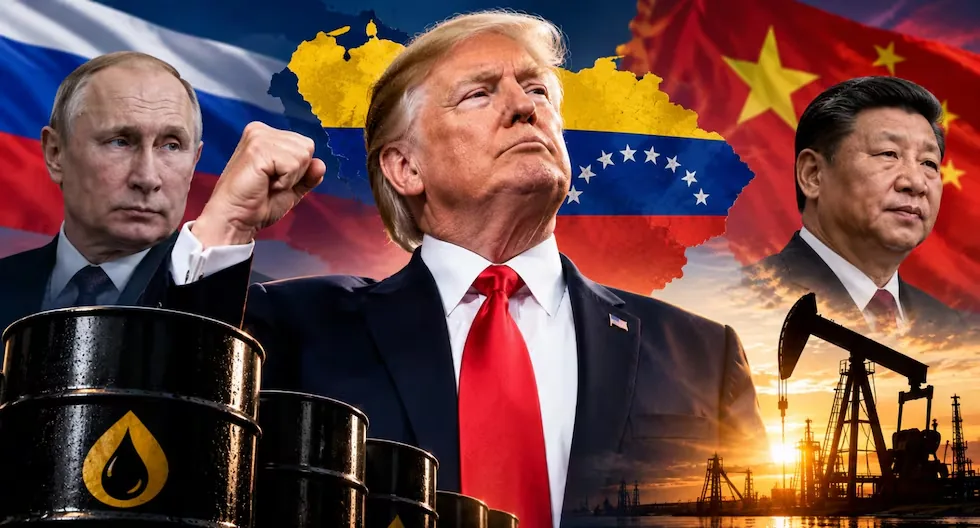
The company North American Blue Energy Partners (NABEP), which has the endorsement of the United States, will obtain the rights over 17 oil fields and about 65 billion barrels of oil reserves. Washington assures that the agreement is for 100 years, while Caracas speaks of 25 years.
Read more Earthquake in Peru today, Monday, September 7: recent tremors reported by the IGP
Last week, the White House assured that most of the fields contemplated in the agreement “were previously controlled or operated by Russian and Chinese companies, or by corrupt cronies of (Nicolás) Maduro and (Hugo) Chávez.”
It added that “these malicious foreign actors plundered the resources of Venezuela for the benefit of U.S. adversaries such as Cuba, Russia, and China, and did not invest in infrastructure or development.”
According to Reuters, several of those fields had been operated by Chinese companies such as China Concord Resources, Sinopec, and CNPC, as well as a company from Russia.
Another Reuters report noted that the selected fields were in the Orinoco belt and the Maracaibo lake basin.
So far, neither Venezuela nor the United States has published an official breakdown of the 17 fields that would allow determining which company operated each one.
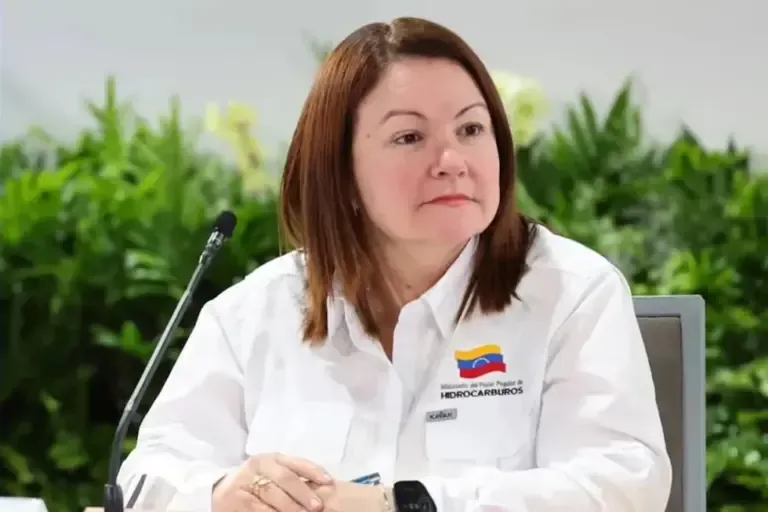
On Sunday, Venezuela’s Minister of Hydrocarbons, Paula Henao, addressed the issue and assured the private channel Venevisión that her country respects the oil agreements signed with China and Russia.
“We have agreements with China and Russia and they are joint ventures with valid authorization to carry out primary activities. We are very respectful of those agreements”, Henao stated.
The minister was asked if China and Russia were excluded from the Venezuelan oil business after the agreement with Donald Trump, and she responded that the joint ventures in which those two countries have participation “will continue carrying out their activities.”
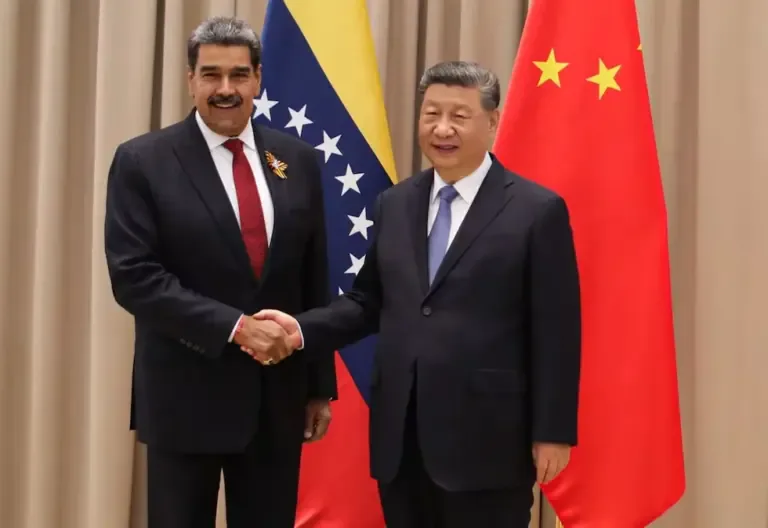
Last Tuesday, China demanded that Caracas safeguard its interests in Venezuela.
According to Guo Jiakun, spokesperson for China’s Ministry of Foreign Affairs, the cooperation between his country and Venezuela “is protected by international law and the laws of both countries.”
In the same interview, Minister Henao also stated that Venezuela maintains “control and ownership” of its oil.
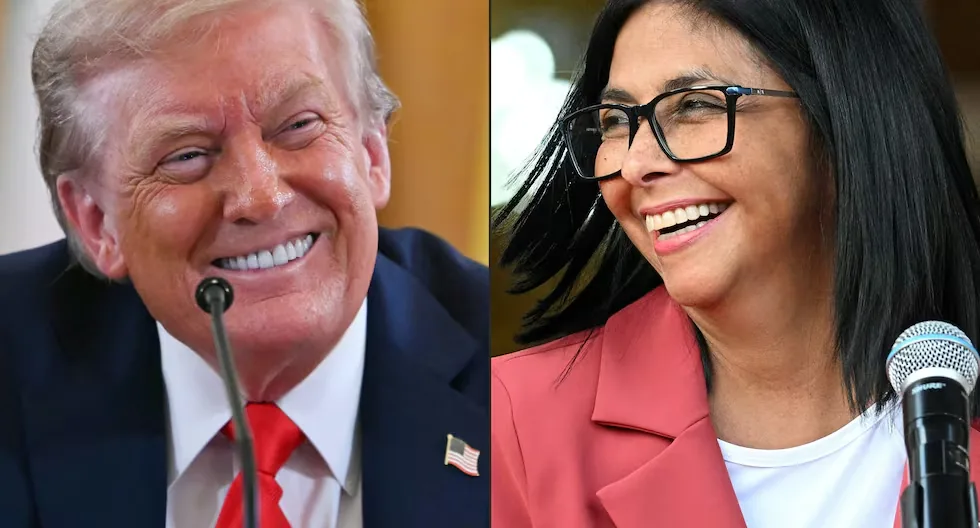
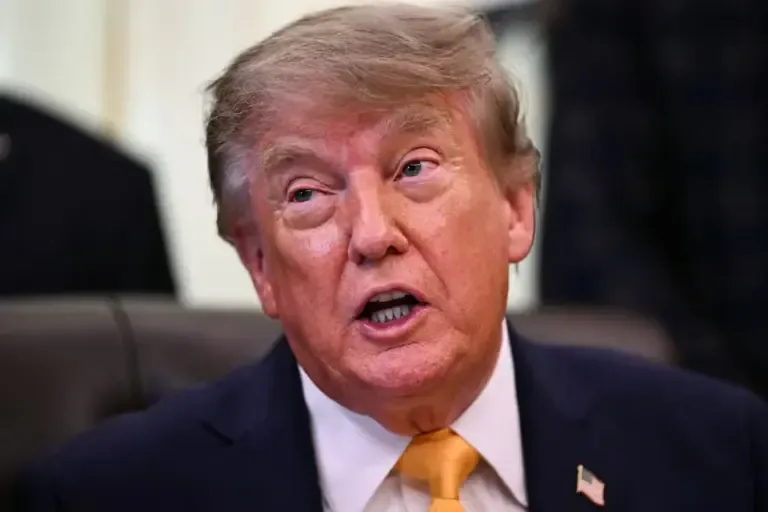
This was in response to what Trump said on August 28, when he mentioned that the agreement ensures “U.S. majority control over more than 65 billion barrels of proven oil reserves in Venezuela.” Two days later, the magnate stated that it is “a gift from Venezuela to the people of the United States.”
But Henao insisted that it is “a commercial agreement” and that the “gift that the Venezuelan people offer to the American people is the guarantee of a reliable supply of that energy.”
China and Russia lose ground in Venezuela
For Venezuelan political scientist José Vicente Carrasquero, the new scenario implies a displacement of China, Russia and other allies and a considerable increase in Washington’s influence over Venezuela’s energy sector.
Carrasquero believes that Minister Henao’s statement that the oil agreements with China and Russia will remain in force responds more to a political necessity than to the reality that is being shaped. “She tries to maintain an internal discourse that does not fit reality”, he says. He adds that Chavismo appeals to that narrative as a consequence of “that long-standing anti-imperialist discourse that now finds them prostrated at the feet of the United States.”
Read more “Black Clover” Season 2: Confirmed Premiere Date
“Some of those fields they are handing over were in the hands of Russia and China. Surely they were not very operational, but they managed them”, he points out.
For the political scientist, the change must be understood within a broader U.S. strategy to reduce the presence of its geopolitical rivals in Latin America.
“Trump has said it openly: neither Russia, nor China, nor Iran, nor Cuba”, says Carrasquero, who believes Washington is regaining a position of predominance in what it has historically considered its “backyard.”
What remains of Venezuela’s agreements with China and Russia?
Carrasquero explains that Venezuela’s oil relationship with China had fundamentally a financial component: Beijing advanced resources to Caracas that were intended, among other things, for the purchase of Chinese goods, while Venezuela had to repay that financing progressively. For this, the participation of Chinese companies in projects associated with PDVSA was added, in order to form joint oil exploitation companies.
Venezuela’s debt to China originated during Hugo Chávez’s government, when Caracas resorted to large loans from Chinese state banks, mainly through oil-backed agreements. According to AidData, Venezuela accumulated 105.59 billion dollars in debt to China between 2000 and 2018, of which 95 billion were structured under the modality of oil for credits. Currently, estimates place the outstanding debt at US$10 billion or US$15 billion
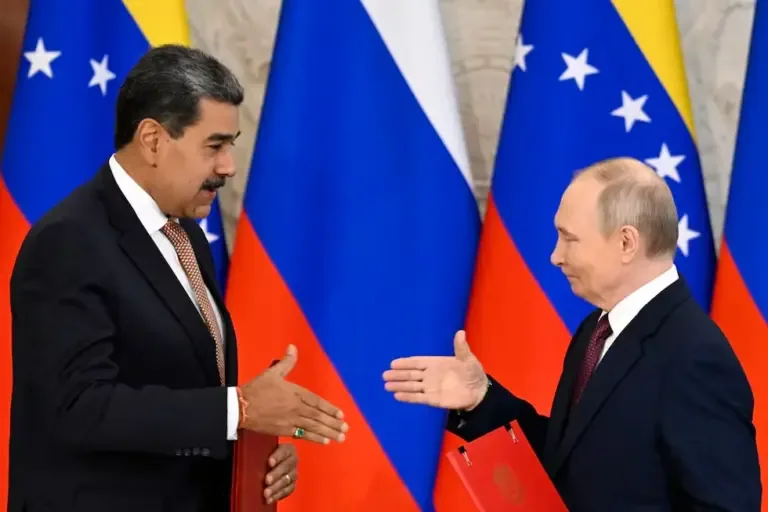
In the case of Russia, there were also participations in companies linked to the Venezuelan state company.
In 2017 Venezuela restructured a debt of about US$3.1 billion with Russia. Moscow and the state company Rosneft provided at least US$17 billion in loans and credit lines to Caracas since 2006.
Now, the analyst believes that the new structure promoted by Washington can significantly reduce the weight of both countries in the sector.
The central question Carrasquero asks is not only whether Venezuela will formally keep its agreements with China and Russia, but how much real space those companies will have to operate and produce oil under the new scheme promoted by Trump.
The oil still belongs to Venezuela, but who controls it?
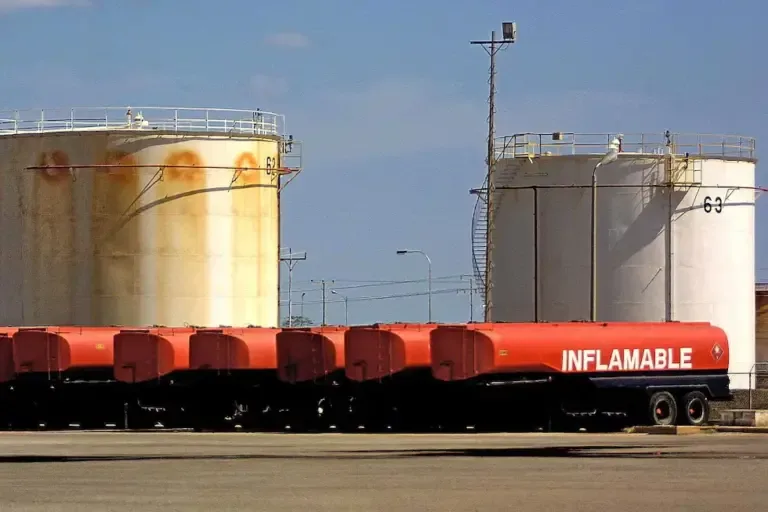
One of the most sensitive points of the agreement is the ownership of the reserves. Carrasquero introduces a distinction between owning the resource and having effective capacity to decide on its exploitation.
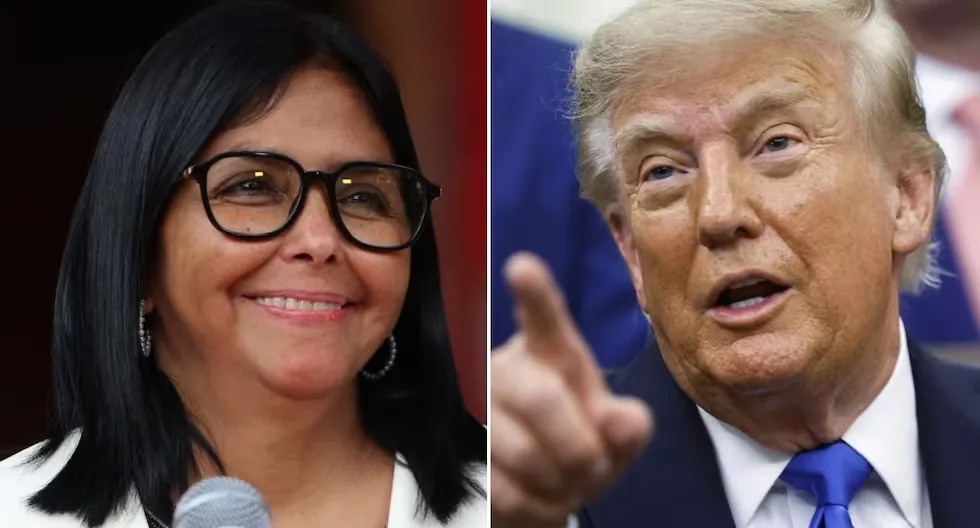
He recalls that the pact has a duration of 100 years, with reviews every 25 years. Therefore, he considers that presenting it only as a 25-year agreement, as the interim president Delcy Rodríguez and her ministers do, can generate a mistaken interpretation.
“The original pact is 100 years”, Carrasquero states. He adds that the duration is reminiscent of early 20th-century oil concessions, although with a fundamental difference: “Now there are concessions plus political control over the country”.
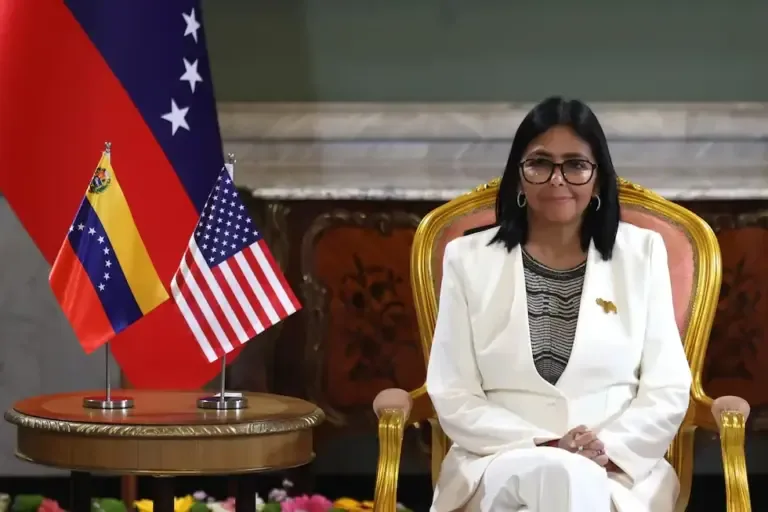
For Carrasquero, saying that the United States is taking Venezuelan oil would be an exaggeration, because the crude must be paid for.“They are not taking our oil. It is oil that will be paid for. Where are they taking it from? In control”, he says.
He emphasizes that this is the main consequence of the agreement: although Venezuela legally retains ownership of its reserves, the United States would assume control of the exploitation of a substantial part of them.
Faced with the possibility that a future democratic government arising from elections might try to review or renegotiate the agreement, Carrasquero is skeptical. He explains that the United States has built the agreement from its own legal perspective and based on the recognition of Delcy Rodríguez as an authority with the capacity to negotiate.
He indicates that Washington is seeking to legally shield the commitments reached and guarantee access for its companies to Venezuelan oil for an extraordinarily prolonged period.
Read more Trump publishes a map in which the United States flag covers Mexico, the Caribbean, and Canada