




![Alberto Beingolea: “If they insist on not giving [the powers], they are complicating life for Peru”](https://insightermedia.com/wp-content/uploads/2026/09/bb3fa9e11304ea13fe2cd333955007bc-150x150.webp "Alberto Beingolea: “If they insist on not giving [the powers], they are complicating life for Peru”")


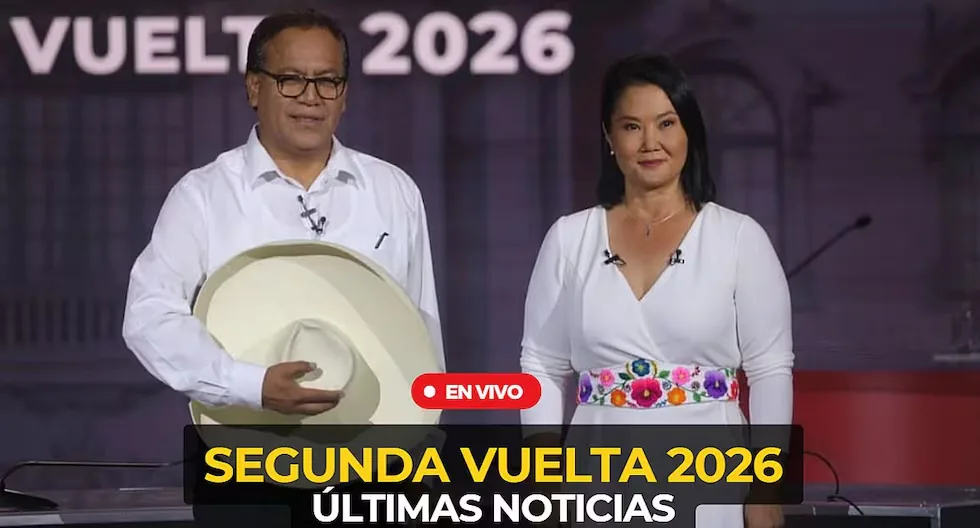
Peru Elections 2026 LIVE | Latest news on Keiko Fujimori and Roberto Sánchez ahead of the second round
Lima Municipality did not authorize Juntos por el Perú rally on Paseo de los Héroes Navales avenue
The Lima Municipality rejected the request submitted by the Juntos por el Perú party, of presidential candidate Roberto Sánchez, to hold a political rally on Paseo de los Héroes Navales avenue this Thursday, June 4. In a statement, it indicated that this space is within the Historic Center of Lima, which has been declared a protected zone, therefore marches, demonstrations, and public and political gatherings are prohibited.
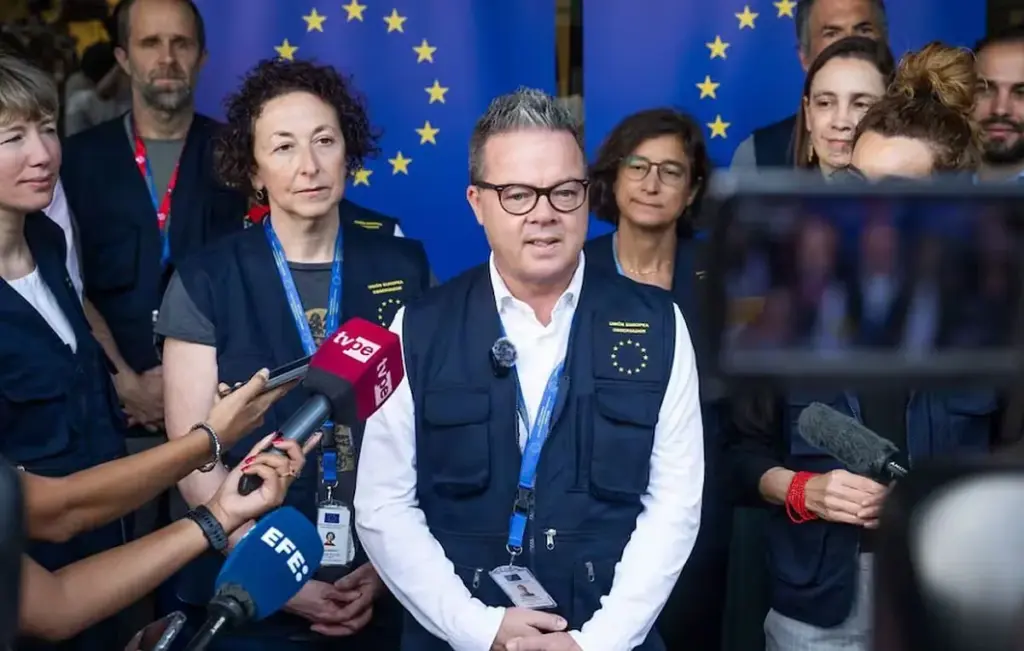
EU Electoral Observation Mission announces arrival of 50 new short-term observers
More than 74 thousand voters in Lima will vote at a different location than in the first round: Check here if your voting location changed
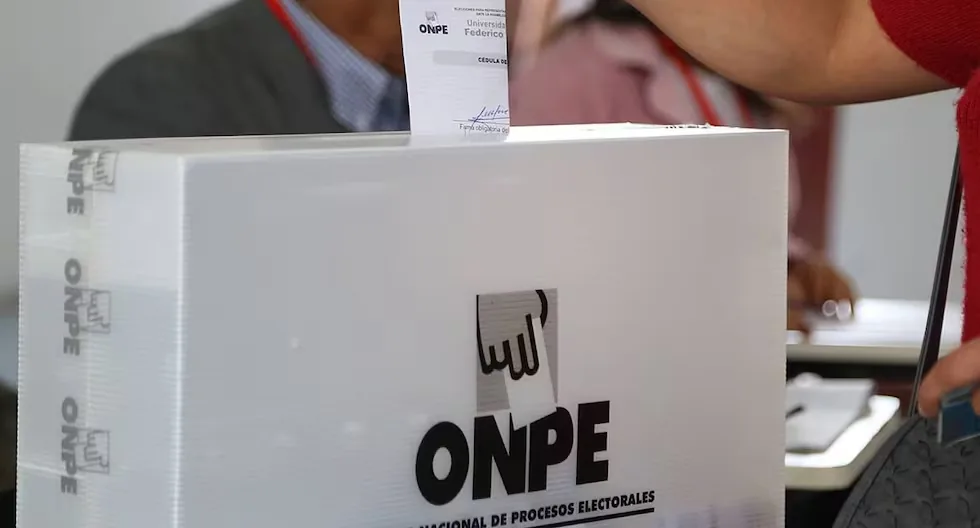
A few days before the presidential second round on June 7, the National Office of Electoral Processes (ONPE) ordered the modification of voting locations for more than 161 thousand voters nationwide. The measure involves relocating 549 polling stations that operated during the first round and mainly responds to security criteria and infrastructure availability.
Keiko Fujimori calls Roberto Sánchez’s new team “a political Frankenstein”
After holding two rallies, one in Huarmey (Áncash) and another in Huacho (Lima provinces), Fuerza Popular’s presidential candidate, Keiko Fujimori, criticized her opponent from Juntos por el Perú, Roberto Sánchez Palomino, for changing his government plan less than a week before the runoff. She also called the technical team presented by Sánchez last Monday “a political Frankenstein,” which includes questioned former ministers from the Castillo government, such as Rosendo Serna, Dimitri Senmache, Walter Ayala, and Andrés Alencastre.
At least 7 pages of Juntos por el Perú’s “new” government plan are exact copies of Venceremos’ program
Juntos por el Perú’s (JP) government plan had two final versions, but the most recent contains extensive copied passages. These are not paraphrases or texts developed around the same idea, but identical fragments that the party of presidential candidate Roberto Sánchez incorporated from the document presented by the leftist group Venceremos in the first round.
Having an outstanding electoral fine can cause difficulties in carrying out certain procedures before public entities. Therefore, it is recommended to regularize any debt related to previous electoral processes.
In districts classified as extreme poverty, the penalty for failure to vote is S/27.50. Authorities stated that this differentiation allows applying fines proportional to each citizen’s situation.
For voters residing in districts classified as non-extreme poor, the fine for not voting amounts to S/55. The measure seeks to maintain differentiated criteria according to the country’s socioeconomic reality.
Citizens living in districts considered non-poor must pay a fine of S/110 if they do not participate in the election day. This amount represents the highest penalty contemplated within the current scale.
The amount of the fine will depend on the socioeconomic classification of the district registered in the National Identity Document (DNI). Thus, penalties vary according to the economic conditions of each locality.
Those who do not go to vote and do not present a valid justification will be subject to an electoral fine. This economic sanction is applied according to the provisions established by electoral bodies.
Read more Rafael Nadal turns 40: the story of the eternal king of Roland Garros
As in previous electoral processes, voting will be mandatory for all citizens over 18 years old. Authorities have reminded the importance of participating in this democratic day and fulfilling the civic duty.
The election day on June 7 will focus the attention of millions of Peruvians inside and outside the country. The results will reveal who will assume the Government leadership during the next presidential term.
The Peruvian electoral system provides for a second round when no candidate surpasses 50% of valid votes in the first election. This mechanism seeks to ensure that the next president has broader support from the population.
In this final stage of the electoral process, Keiko Fujimori from Fuerza Popular and Roberto Sánchez from Juntos por el Perú will compete. Both candidates obtained the highest votes in the first round and will now seek to gain the necessary support to reach the Government Palace.
The second round of the 2026 Presidential Elections will be held this Sunday, June 7, nationwide. Millions of citizens will return to the polls to elect the next president of the Republic in a day that will define Peru’s political direction for the next five years.
Compare the profiles of Keiko Fujimori and Roberto Sánchez in this special on the second round election (Photo: El Comercio)
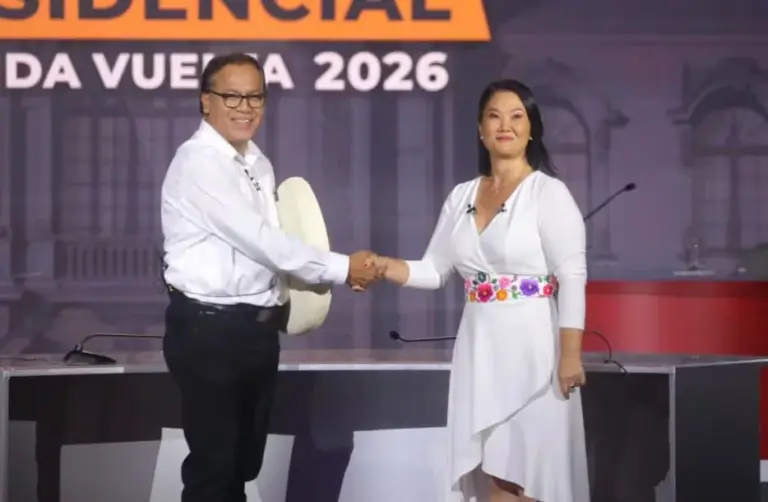
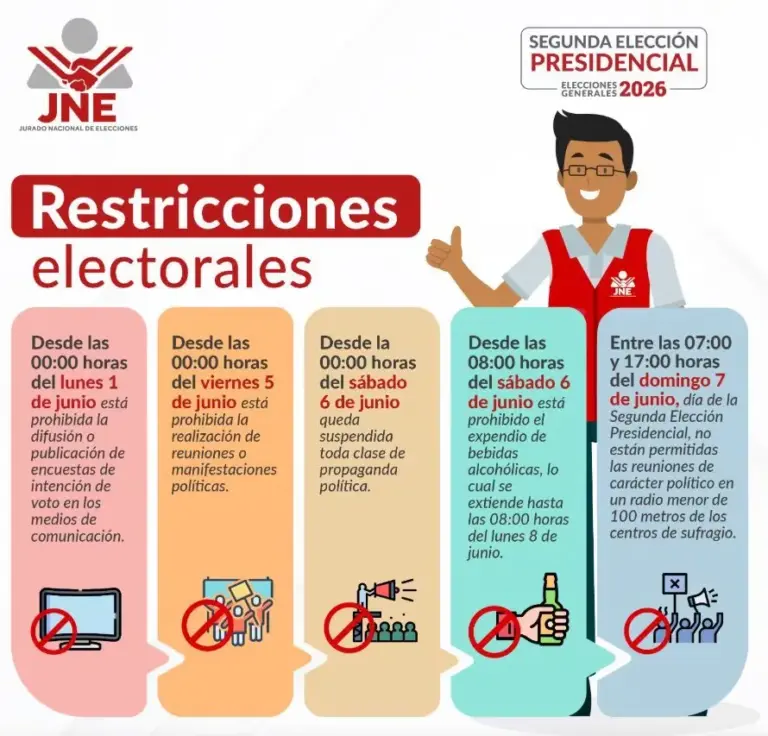
Electoral restrictions came into effect on Monday, June 1, ahead of the June 7 second round
JNE reports that electoral material has arrived at almost all ODPEs, with only Abancay and Grau pending
A few days before the presidential second round on Sunday, June 7, the National Jury of Elections (JNE) reported that electoral material has been distributed to almost all Decentralized Electoral Process Offices (ODPE) in the country. Luis Ramos, spokesperson for the JNE’s National Directorate of Oversight and Electoral Processes, stated that only the ODPEs of Abancay and Grau remain pending due to weather conditions that hindered material transport.
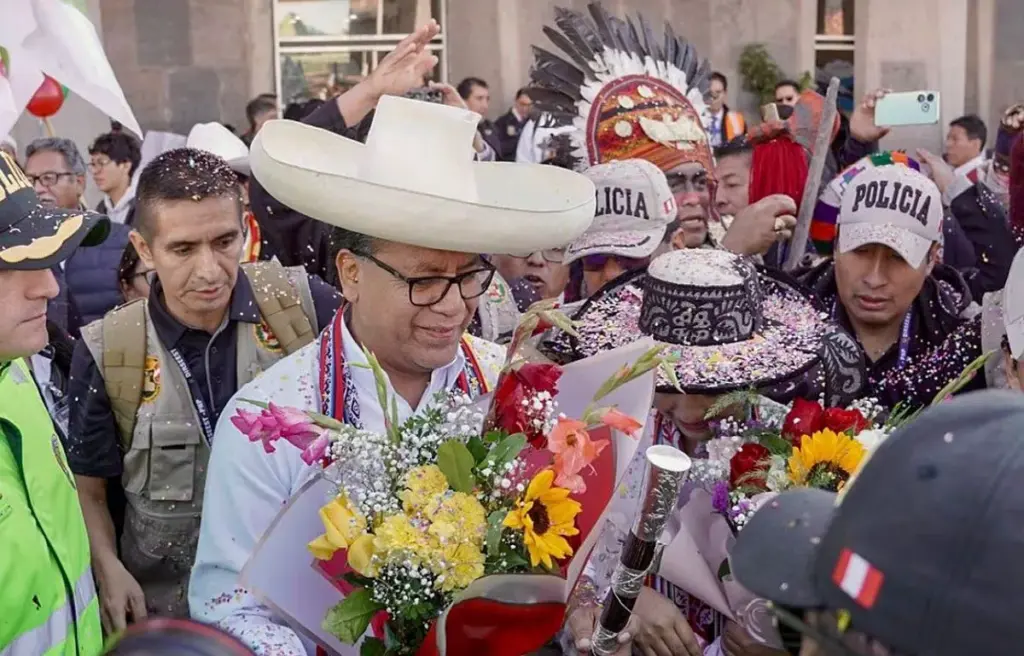
Juntos por el Perú presidential candidate Roberto Sánchez visited Cusco and Abancay in the final stretch of his campaign ahead of the June 7 second round | Photo: @RobertoSanchP
Fuerza Popular’s presidential candidate, Keiko Fujimori, participated on Monday, June 1, in a campaign event in the San Martín region, thus starting the final stretch of her campaign ahead of the June 7 second round.
Thank you, San Martín! A historic turnout full of joy and hope to recover order and progress. pic.twitter.com/zR6OxvrvDw
— Fuerza Popular Political Party (@FuerzaPopular__) June 2, 2026
El Comercio will offer comprehensive coverage of the second round election
El Comercio will provide extensive and detailed coverage on Sunday, June 7, of the second round of the 2026 General Elections in Peru, where Fuerza Popular candidate Keiko Fujimori and Juntos por el Perú candidate Roberto Sánchez will compete for the Presidency of the Republic.
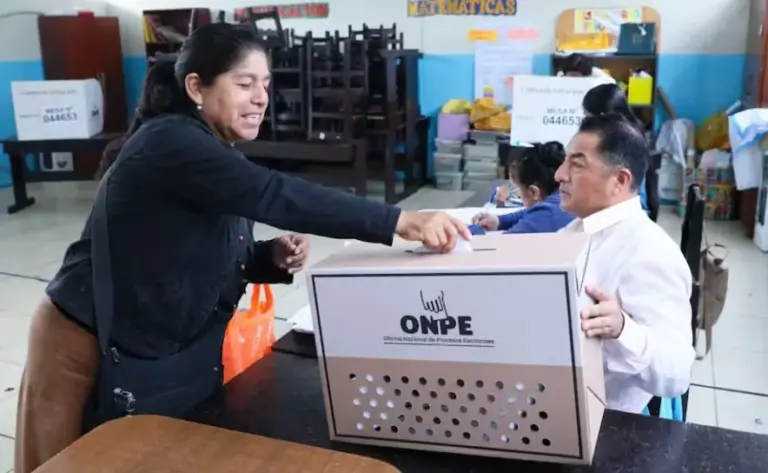
Peru awaits with anticipation the holding of the second round election in which the new president will be chosen for the next five years. Keiko Fujimori from Fuerza Popular and Roberto Sánchez from Juntos por el Perú are the candidates who will compete in the runoff on Sunday, June 7. Learn in this note the latest news in the days leading up to the elections that will decide the country’s future.
Read more From Miraflores to the Historic Center: the best places in Lima to watch the World Cup