



![Alberto Beingolea: “If they insist on not giving [the powers], they are complicating life for Peru”](https://insightermedia.com/wp-content/uploads/2026/09/bb3fa9e11304ea13fe2cd333955007bc-150x150.webp "Alberto Beingolea: “If they insist on not giving [the powers], they are complicating life for Peru”")


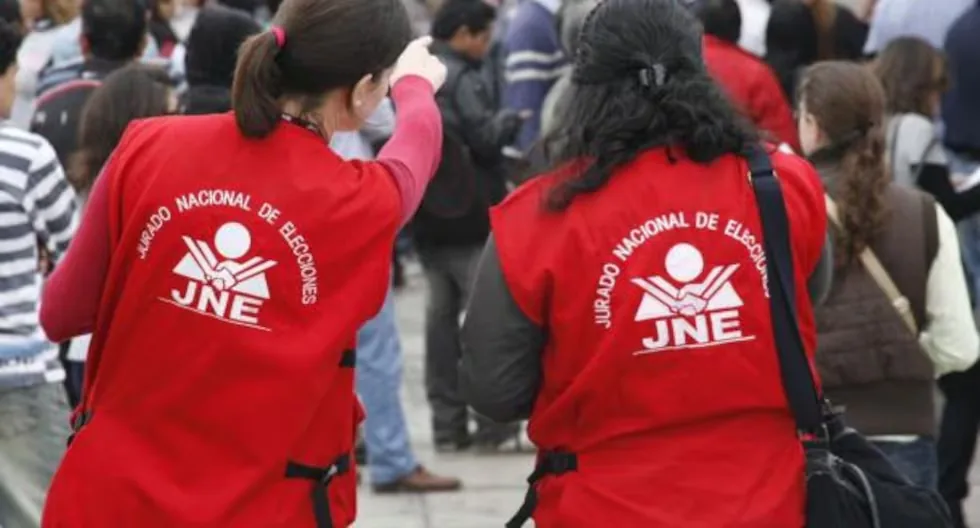
The National Elections Jury (JNE) reported that as of 00:00 hours on Monday, June 1, various electoral restrictions come into effect nationwide due to the presidential run-off scheduled for Sunday, June 7.
Read more Earthquake in Peru today, Friday, June 5: what was the magnitude and epicenter according to IGP
According to the institution, one of the main measures will be the prohibition of publishing or disseminating surveys and projections of any nature about the election results through media outlets.
The restriction is based on Article 191° of the Organic Law of Elections (LOE) and its non-compliance can be sanctioned with fines of between 10 and 100 UIT.
#JNEInforms | #ElectoralRestrictions
This Monday, June 1, electoral restrictions will begin to apply throughout the national territory, in order to ensure the correct development of the Second Presidential Election on Sunday, June 7.#Runoff #EG2026
pic.twitter.com/g7lcnOifdZ— JNE Peru (@JNE_Peru) May 31, 2026
Likewise, as of 00:00 hours on Friday, June 5, public political meetings or demonstrations will be prohibited.
According to Article 190° of the LOE, those who violate this provision could face prison sentences of no less than three months and no more than two years.
The electoral body also reminded that as of 00:00 hours on Saturday, June 6, all kinds of political propaganda will be suspended.
Read more Capeco: housing sales maintain dynamism, but supply begins to contract
Violation of this measure can be sanctioned with prison sentences of up to six months and fines equivalent to 10% of the vital minimum income multiplied by thirty days, in accordance with Article 390° of the Organic Law of Elections.
During election day, outdoor public shows, as well as voter gatherings, will also be prohibited.
Dry law from Saturday
Luis Ramos, spokesperson for the National Directorate of Oversight and Electoral Processes of the JNE, said this Monday that the JNE will oversee compliance with the so-called dry law, which restricts the sale of alcoholic beverages during the electoral process.
As he explained, the measure will come into effect at 8:00 AM on Saturday, June 6, and will extend until 8:00 AM on Monday, June 8.
“We will verify on Saturday that the dry law regarding the prohibition of the sale of alcoholic beverages is complied with,” he stated.
He also warned that individuals or establishments that fail to comply with this provision may be sanctioned with fines of up to S/ 3.390.
Read more Tusk warns about possible regional escalation after drone incidents in Romania