





![Alberto Beingolea: “If they insist on not giving [the powers], they are complicating life for Peru”](https://insightermedia.com/wp-content/uploads/2026/09/bb3fa9e11304ea13fe2cd333955007bc-150x150.webp "Alberto Beingolea: “If they insist on not giving [the powers], they are complicating life for Peru”")



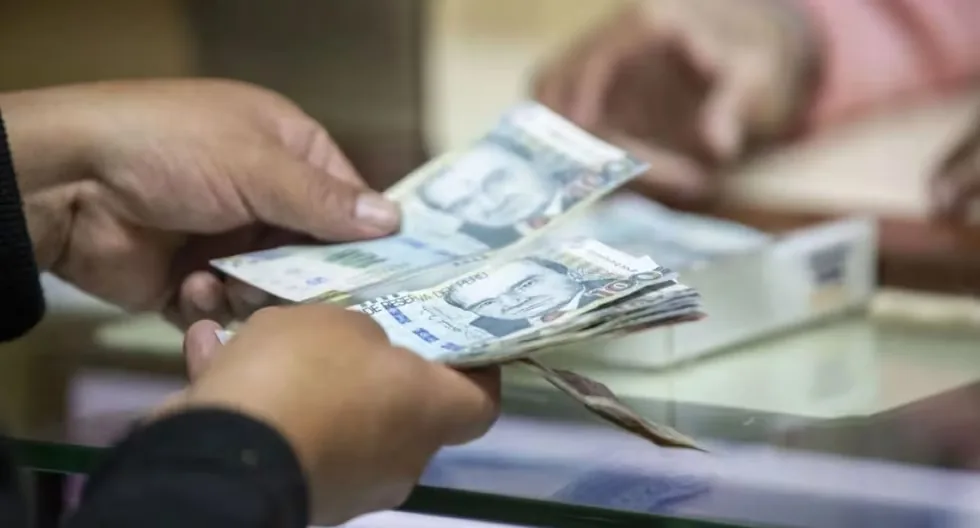
Thousands of formal workers will receive in the coming days the bonus for National Holidays, an extraordinary income that represents an opportunity to organize personal finances, reduce outstanding obligations, and strengthen savings.
Read more Earthquake today in Mexico, Thursday, July 16: epicenter, time, and magnitude via SSN
“This is a valuable opportunity for people to strengthen their personal economy. Before thinking about new expenses, it is advisable to evaluate how this money can contribute to improving their financial situation in the medium and long term,” said Álvaro Gómez-Sánchez, Manager of Financial and Pension Products at RIMAC.
YOU CAN SEE: Bonus 2026: The 5 things you should consider to make good use of this extra money
According to Bonus Law 27735, companies have until July 15 to deposit this benefit to employees on the payroll. Additionally, the bonus includes an extraordinary bonus of 9% on the amount received for the contribution to EsSalud, or 6.75% for those affiliated with a Health Provider Company (EPS).
“The main advantage of this income is that it still does not have a defined destination. Planning its use from the moment it is received allows strengthening personal finances, instead of automatically incorporating it into usual expenses,” said Iván Mostacero, Principal Manager of Liabilities at Banco Pichincha del Perú.
Savings habits continue to be a challenge for a good part of Peruvians. According to a study by Bumeran, 84% of workers state that they do not manage to save and 72% say their salary lasts less than two weeks. Likewise, 53% assure that they would allocate a possible income increase to savings or investment, reflecting the interest in strengthening their finances when they have additional resources.
The bonus can become an opportunity to reverse this situation and make financial decisions that are usually postponed during the year. To better take advantage of this extraordinary income, specialists recommend:
- Prioritize debt payment. Before making purchases or assuming new expenses, it is advisable to identify and reduce financial obligations with high interest rates, such as credit cards or consumer loans.
- Evaluate investment alternatives. Once priority needs are covered, it is advisable to analyze options according to financial goals and each person’s risk profile. “There are more conservative alternatives, with guaranteed profitability, as well as diversified options with greater growth potential in the long term,” said Gómez-Sánchez.
- Build or reinforce an emergency fund. Allocating part of the bonus to a reserve for unforeseen events can avoid resorting to debt in the face of unexpected expenses.
- Set aside a portion for savings. Reserving a portion of the bonus for future goals can help strengthen financial stability. “The bonus offers the opportunity to separate resources for savings before they are integrated into usual expenses. There are alternatives that allow generating profitability, with rates that can reach up to 3.20% TREA at 360 days,” added Mostacero.
Unlike monthly income, the bonus arrives as an additional resource that offers greater flexibility to make financial decisions. Allocating it to reduce debts, strengthen an emergency fund, or start a savings and investment strategy can generate benefits that transcend the short term.
Read more World Cup 2026: latest news and updates ahead of the World Cup final
RECOMMENDED VIDEO