




![Alberto Beingolea: “If they insist on not giving [the powers], they are complicating life for Peru”](https://insightermedia.com/wp-content/uploads/2026/09/bb3fa9e11304ea13fe2cd333955007bc-150x150.webp "Alberto Beingolea: “If they insist on not giving [the powers], they are complicating life for Peru”")



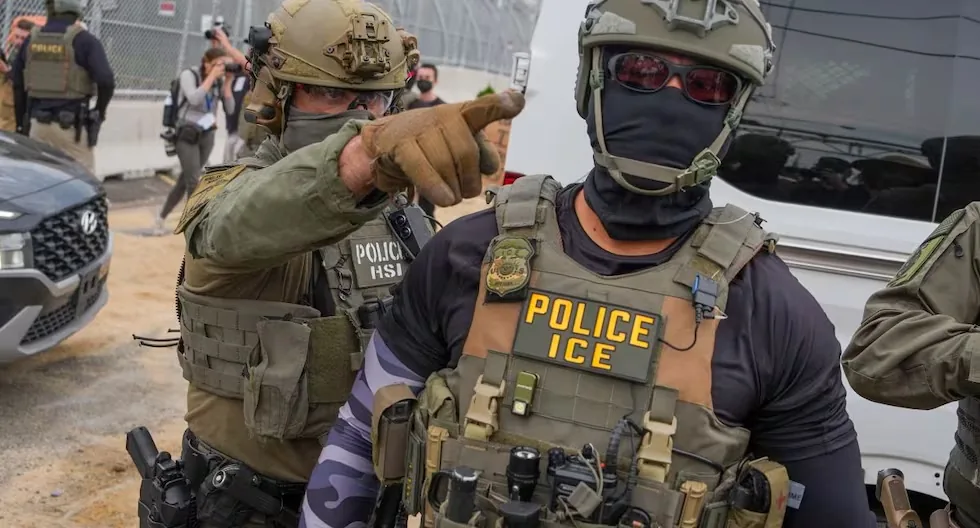
The deaths of Mexican Lorenzo Salgado Araujo in Texas and Colombian Joan Sebastián Durán Guerrero in Maine, both shot by agents of the Immigration and Customs Enforcement (ICE) just six days apart, reignited the debate over the use of force in immigration operations in the United States. These cases were joined by the death of another Mexican immigrant in Florida, who was run over while fleeing an agency operation. These tragic events coincide with the offensive of President Donald Trump’s administration to increase arrests to a target of 2,000 daily detentions, a strategy that has raised questions about whether the pressure to meet these goals is increasing risks during interventions and leading to more episodes of violence. Is there a relationship between the two situations?
Read more Results La Tinka: meet the winner of Wednesday, July 15
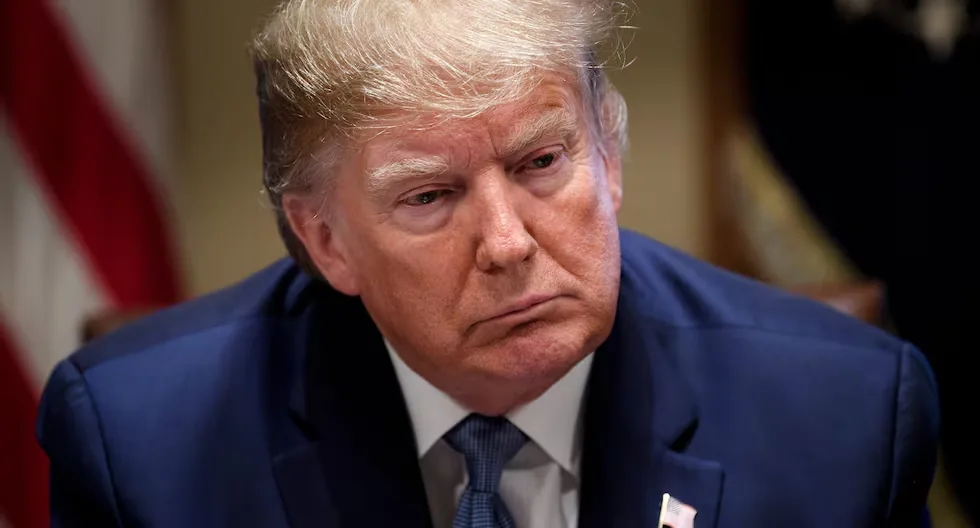
At the beginning of July, The New York Times revealed that ICE received instructions to assign more agents to make arrests and consider 2,000 daily detentions as the new target, double the number made each day earlier this year.
SEE: “It was just another bluff”: why Trump backed down on his threat to charge 20% for security in Hormuz
The outlet explained that ICE agents were detaining people during traffic stops and on the street. It specified that the campaign was yielding results, as in just five days 10,000 people had been detained.
Three officials who spoke with The New York Times confirmed that ICE officers were told that The White House wanted an increase in detentions.
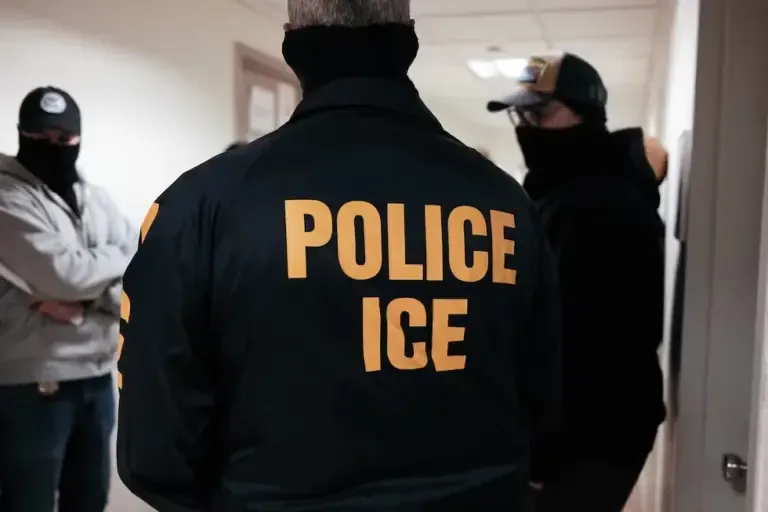
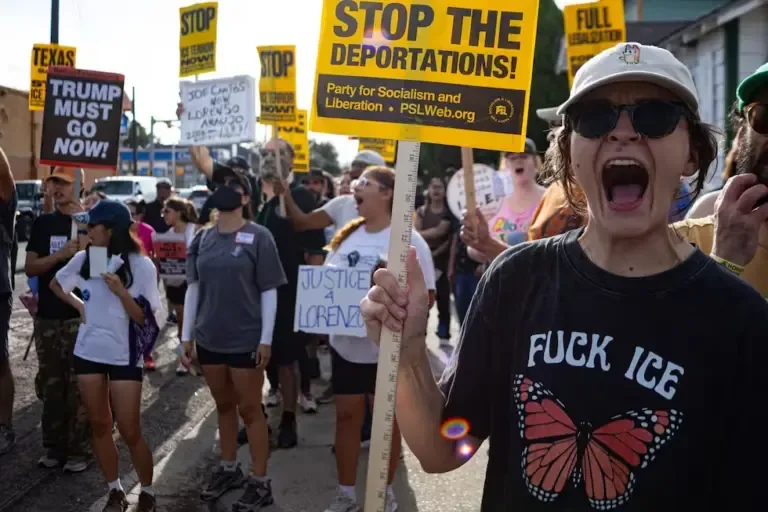
The increase in detentions reflects President Trump’s determination to fulfill one of the main promises he made during his presidential campaign and has made one of the pillars of his second term: carrying out the largest mass deportation operation of immigrants in United States history.
This strategy, supported by much of his conservative base, has been accompanied by more aggressive operations and a tightening of immigration policy, which has also sparked strong criticism for the use of hardline tactics.
The deaths of Mexican Lorenzo Salgado Araujo and Colombian Joan Sebastián Durán Guerrero occurred after being shot by ICE agents during traffic control operations. These cases were joined by the death of a third Mexican migrant, who was run over while fleeing an agency operation in Florida.
Since the beginning of Donald Trump’s second term, at least 52 migrants have died in ICE custody, while eight people have died from shots fired by agency agents during immigration operations, according to human rights organizations and independent records.
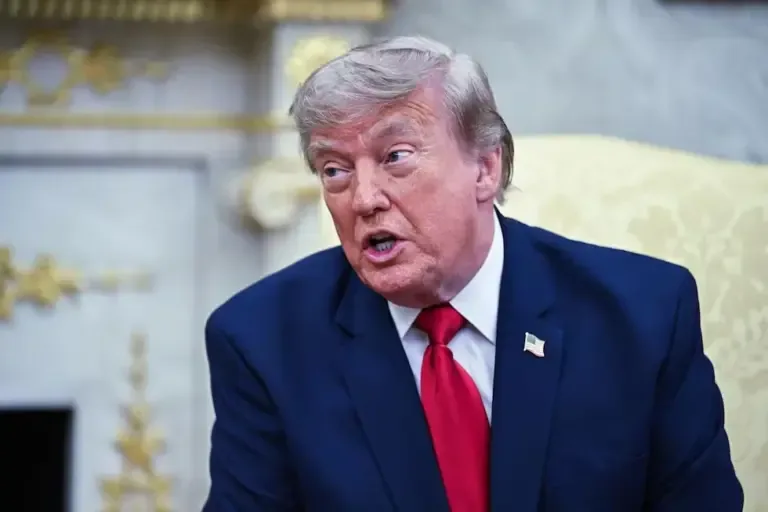
On Tuesday, ICE reported that it temporarily suspended traffic stops due to the deaths in Texas and Maine, a decision President Trump disagrees with.
On Wednesday, in a message on Truth Social, Trump defended ICE traffic stops and said they were an “essential” tool to fight crime. He also praised the agents’ work and stated that his government will not abandon that strategy.
Who were the victims and how were they killed?
Who was Lorenzo Salgado Araujo?
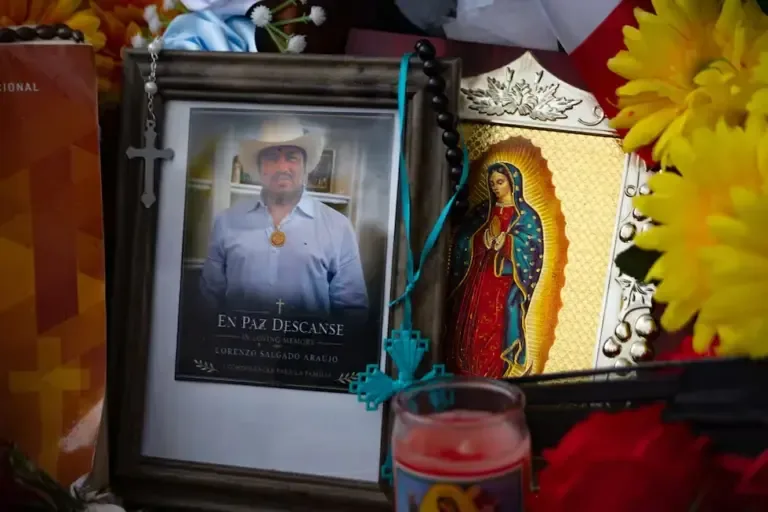
Mexican Lorenzo Salgado Araujo had lived in the United States for 35 years. He worked in construction, was a father of three children, and according to his family, was in the process of regularizing his immigration status.
On the morning of July 7, the 52-year-old man was heading to work in Houston, Texas, accompanied by his brother and two coworkers when ICE agents intercepted the white truck they were traveling in.
The official ICE version holds that agents were surveilling a house related to an immigration investigation and decided to stop the truck because it resembled other vehicles related to the case and because one of its occupants resembled the suspect they were looking for. According to the agency, Salgado disobeyed the agents’ orders, crashed into an official vehicle, and tried to run over one of them, so an agent opened fire and killed him in self-defense.
However, the three men traveling with Salgado reject that version. Through their lawyer, Hugo Balderas, they stated that the Mexican never tried to run over the agents and that the shots hit the sides of the truck, which, they argue, casts doubt on the version that the vehicle was heading toward the officers. The three were detained and taken to an immigration center. They are the only known direct witnesses to the event. So far, no security camera has been found that recorded the incident.
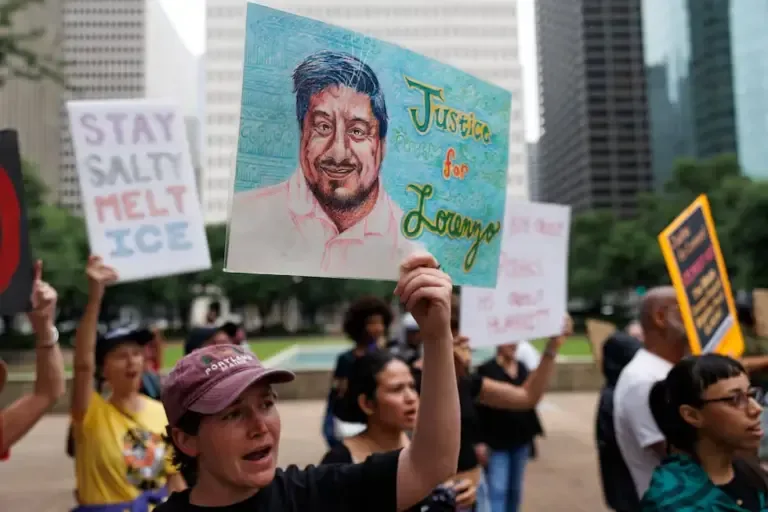
Meanwhile, the Department of Homeland Security (DHS) confirmed that the ICE agents involved in the operation were not wearing body cameras because they had not been assigned any.
Additionally, Congresswoman Sylvia García revealed that there were also no recordings from cameras installed in vehicles (dashcams), according to information provided by the acting ICE director.
Therefore, there is no audio-visual record that allows corroborating the agents’ version of alleged self-defense.
Another key fact in the case is that DHS confirmed that Salgado was not the person the federal agents were looking for.
Read more Exchange rate closes lower: dollar ends this Wednesday, July 15 at S/3.38
17 Mexican citizens have died in ICE custody or during ICE operations since the beginning of Donald Trump’s second term in January 2025, according to the Mexican Foreign Ministry.
Who was Joan Sebastián Durán Guerrero?
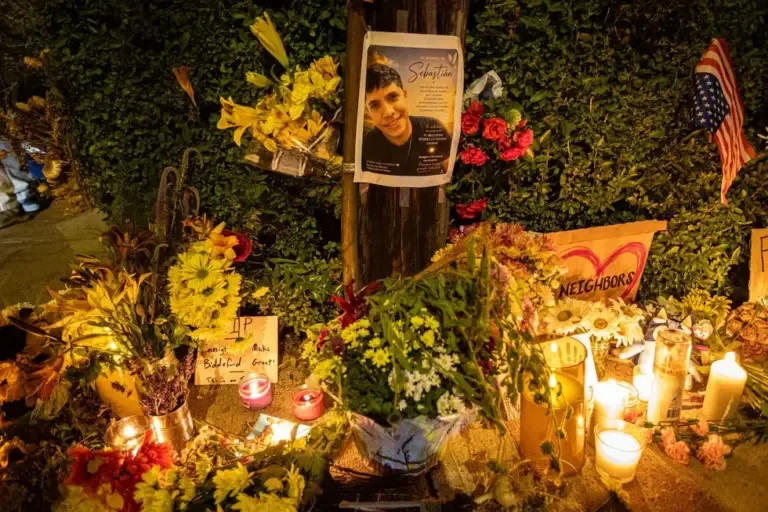
Joan Sebastián Durán Guerrero, 26 years old, was a Colombian citizen born in Bucaramanga who lived in Maine with his wife and three-year-old daughter. Regarding his status, his family in Colombia has said he had authorization to work legally in the United States, had a Social Security number, and had two jobs: in the mornings he worked at a veterinary clinic and in the afternoons he made home deliveries to supplement the family income.
Durán died on July 13 in the city of Biddeford during an ICE operation. According to the official version, agency agents tried to stop the vehicle he was driving and, when he tried to escape, an agent opened fire considering the car a threat to public safety and that it was being used as a weapon against the officers.
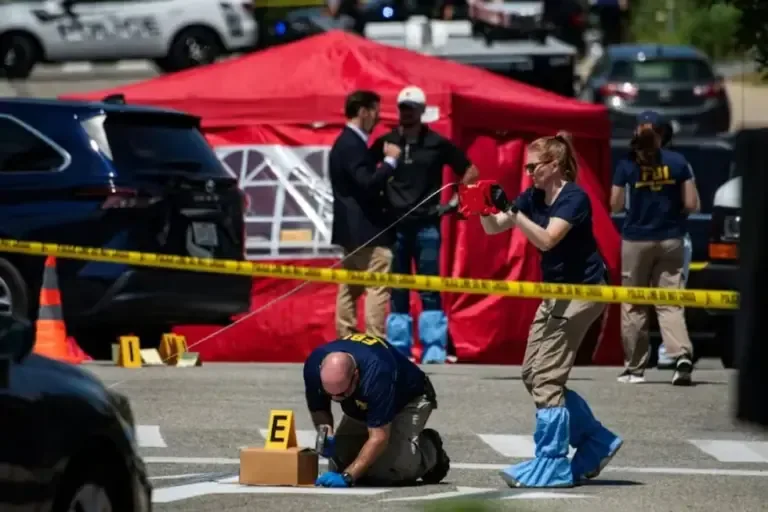
A video of the incident shows that after the shots, Durán did not exit the vehicle on his own. In the footage recorded from a distance, an agent is seen opening the driver’s door and immediately after, the Colombian collapses onto the pavement, apparently badly injured. While his wife and daughter remained inside the car, the agents handcuffed him on the ground.
As with Salgado’s case, later independent Senator from Maine Angus King revealed that the Secretary of Homeland Security confirmed to him that Durán was not the person the federal agents were looking for.
Unlike Salgado’s case, so far no civilian witnesses have offered a different version of what happened, so the reconstruction of events is mainly based on information provided by the authorities.
Authorities have confirmed that the ICE agents involved in Durán’s death were also not wearing body cameras.
Mexican run over in Florida
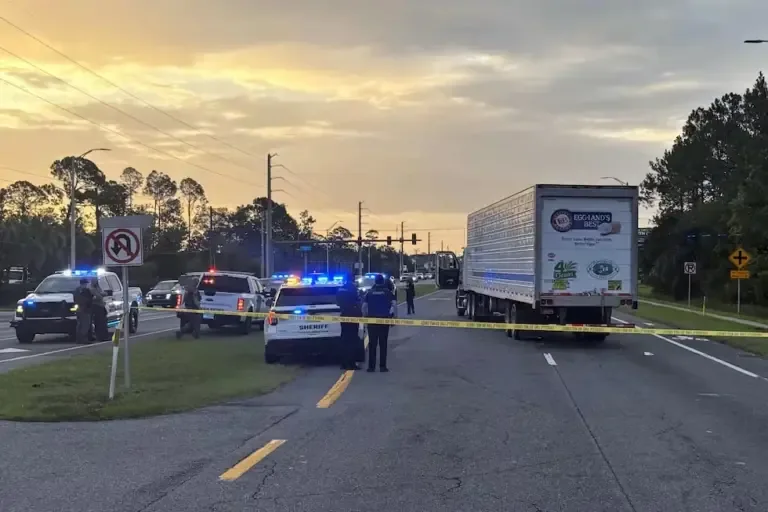
On Tuesday, a migrant died after being run over by a truck in St. Augustine, northeast Florida, while trying to flee ICE during an operation. The next day DHS confirmed the person was Mexican.
“On July 14, DHS law enforcement agents conducted an operation near St. Johns, Florida. The Florida Highway Patrol (FHP) and HSI (Homeland Security Investigations) are investigating an incident that resulted in the death of a Mexican citizen,” the spokesperson said in an email published by the EFE agency.
DHS did not report his identity or immigration status.
“A migrant fleeing is not, by itself, sufficient reason to use lethal force”
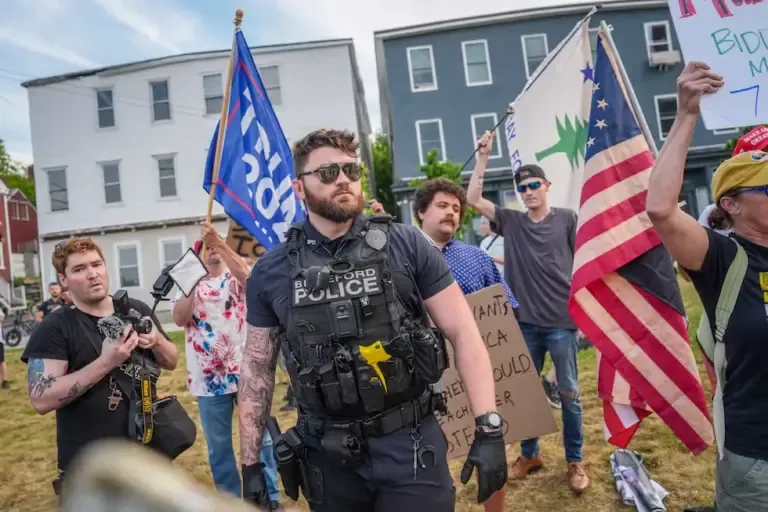
Immigration lawyer Ysabel Lonazco, of Lonazco Law, considers it still premature to say that the deaths of Mexican Lorenzo Salgado Araujo and Colombian Joan Sebastián Durán Guerrero constitute a pattern of ICE behavior. However, she warns that both cases occurred in a context of a strong intensification of immigration operations and therefore require independent investigations to determine if there is a structural problem.
“These are two families who lost a father and a husband in less than a week, and any analysis must start there,” she told El Comercio. She recalled that both events occurred while the Trump administration was tightening its immigration policy and increasing the pace of arrests. “What is objectively true is that both happened in the context of an operational intensification. That temporal coincidence warrants investigations to determine if there is a systemic problem or not,” she said.
Lonazco stated that although the White House’s goal of making 2,000 daily detentions does not change the legal framework regulating the use of force, it can increase pressure on agents participating in operations. “No numerical goal changes the legal standard for the use of force. However, from an operational perspective, it is reasonable to think that a faster work pace can generate more pressure on those who make difficult decisions in seconds,” she explained.
Regarding the authorities later acknowledging that neither Salgado nor Durán were the people the federal agents were looking for, the expert clarified that this fact alone does not determine legal responsibility. “What matters is whether, at the moment of the shooting, there was a reasonable belief that the person represented an imminent danger. That it is later confirmed that he was not the initial target is not enough to establish responsibility, but it is an element that must be examined within an independent investigation,” she indicated.
The lawyer recalled that, according to United States Supreme Court jurisprudence, agents can only resort to lethal force when strictly necessary and there is an objective and imminent threat. “A person trying to move away from an agent is not, by itself, sufficient reason to use lethal force,” she emphasized. She added that when the incident involves a vehicle, agents must assess whether there is really a risk of death or serious injury to themselves or others before opening fire.
If the current pace of operations continues, Lonazco foresees an increase in civil lawsuits against the federal government, investigations for possible civil rights violations, and greater scrutiny of ICE procedures.
She considered the initial decision by the Department of Homeland Security to temporarily suspend most traffic stops and expand the use of body cameras positive, although she regretted that this measure was reversed in less than 24 hours after opposition from President Trump.
Finally, she warned that the impact of this policy goes beyond the courts. “The scenario I see is that our immigrant community is very fearful of going out on the streets and continuing their lives normally,” she said. Therefore, she recommended that immigrants, especially those in irregular status, seek legal advice and inform themselves about their constitutional rights. ”Whatever your immigration status, the Constitution of this country protects you,” she concluded.
Read more Messi is badly missed: this is how Scaloni’s Argentine bench reacted | VIDEO