




![Alberto Beingolea: “If they insist on not giving [the powers], they are complicating life for Peru”](https://insightermedia.com/wp-content/uploads/2026/09/bb3fa9e11304ea13fe2cd333955007bc-150x150.webp "Alberto Beingolea: “If they insist on not giving [the powers], they are complicating life for Peru”")



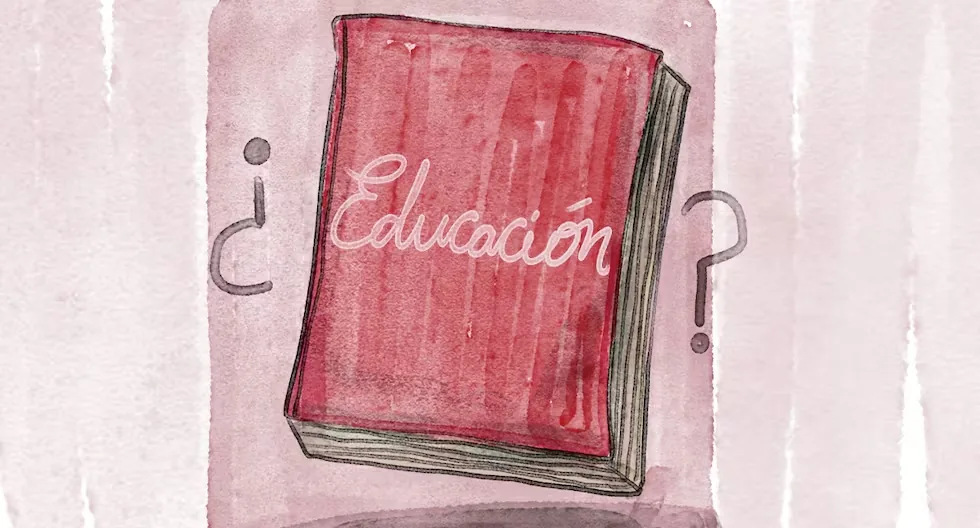
All regions of Peru regressed in public education management last year, without exception, according to the Private Competitiveness Council. The headline is alarming, but it measures something different from what we immediately believe: the index does not evaluate learning, it evaluates classrooms, infrastructure, and equipment. There, the diagnosis is unanimous: in the 25 regions, fewer and fewer public schools have all their classrooms in good condition, without distinguishing between the best and worst governed.
Read more Where to watch Magaly TV La Firme LIVE today, Tuesday, July 21?
But while the brick and cement are falling apart, something different is happening inside the classroom: learning is slightly rebounding. The ENLA, applied in 2024 and 2025, shows recovery in reading and mathematics, especially in rural areas. And here’s the paradox: the regions that are improving are the same ones that the infrastructure index marks as the most devastated. If material regression were the cause, these regions should be sinking. Instead, they are slightly leading the comeback. This also disarms the temptation to blame the curriculum: if pedagogical design were the bottleneck, learning would not improve anywhere, and even less so where conditions are worse. Minedu itself suggests it: what best predicts performance is not infrastructure or curricular design, but the daily bond in the classroom: teacher support, feedback, and a climate free of school violence. There, the diagnosis issued becomes dangerous: if “all regions are regressing in education,” it reads as a generalized pedagogical failure, the next government could try to justify a costly and exhausting intervention and curricular reform, precisely when evidence shows that what is faintly working today deserves to be reinforced and improved, not replaced.
Celebrating the small rebound without nuance, however, would be equally irresponsible. The ENLA 2025 revealed something brutal: barely one in ten schoolchildren finishes school with a satisfactory level in reading, mathematics, and science. The gap between public and private schools, far from closing, widens every year. And the most revealing fact: by socioeconomic level, a low-cost private school performs almost as well as an urban public school. Management, public or private, is not what most separates those who learn from those who don’t. It’s the family’s pocketbook that does!
Read more On which TV channel to watch Toluca vs. Pumas and what time does it play for Liga MX?
There lies the real challenge: more uncomfortable than repairing roofs or rewriting reforms. No infrastructure index or curricular reinvention, however well designed, will close a gap that originates outside the school. Fixing classrooms and adjusting curricula is necessary. But if the goal is for the country to stop graduating generations that do not understand what they read, educational policy must directly address the poverty that each student and their family carry when crossing the school’s door.
Read more Lima Chamber of Commerce proposes five reforms that the new government in Peru should prioritize