




![Alberto Beingolea: “If they insist on not giving [the powers], they are complicating life for Peru”](https://insightermedia.com/wp-content/uploads/2026/09/bb3fa9e11304ea13fe2cd333955007bc-150x150.webp "Alberto Beingolea: “If they insist on not giving [the powers], they are complicating life for Peru”")



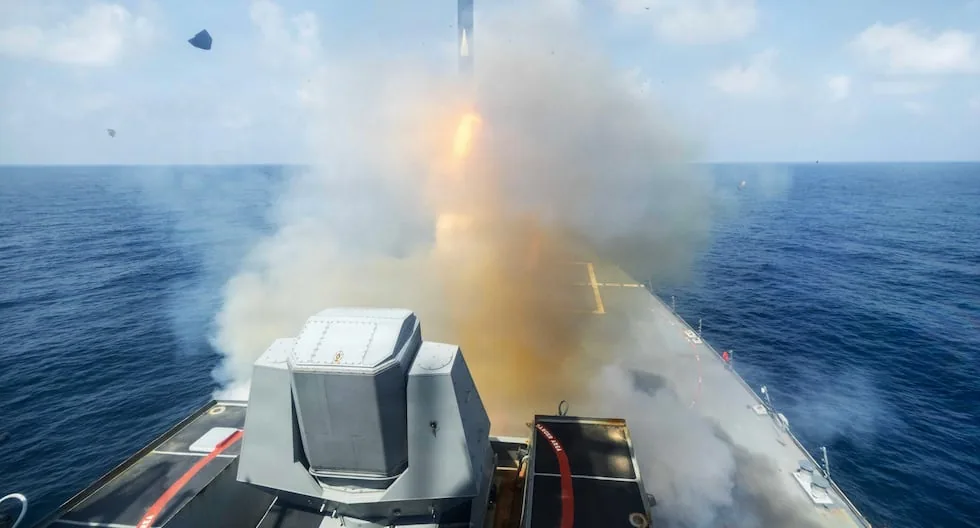
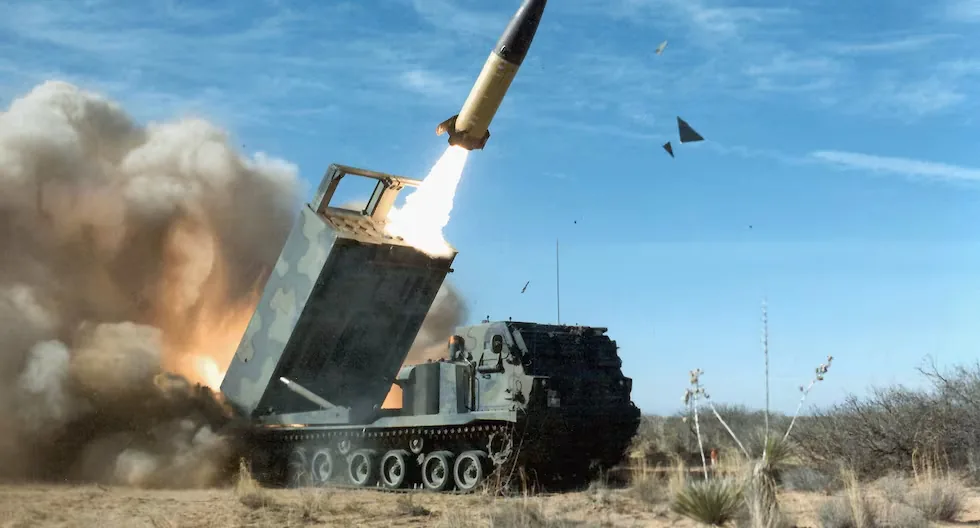
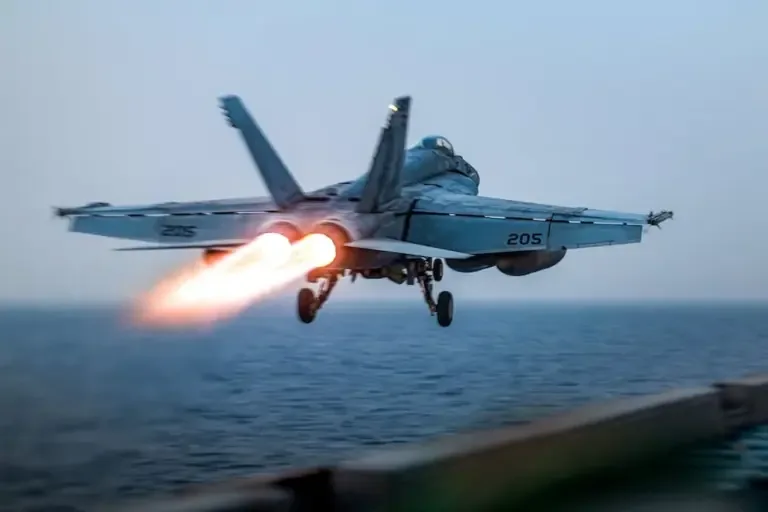
Although Washington had enough weapons to sustain the military campaign against Iran, the big problem now is the time it will take to rebuild its arsenals. In general, U.S. military contractors need at least three years to replenish the reserves of three key U.S. weapons systems, according to CSIS.
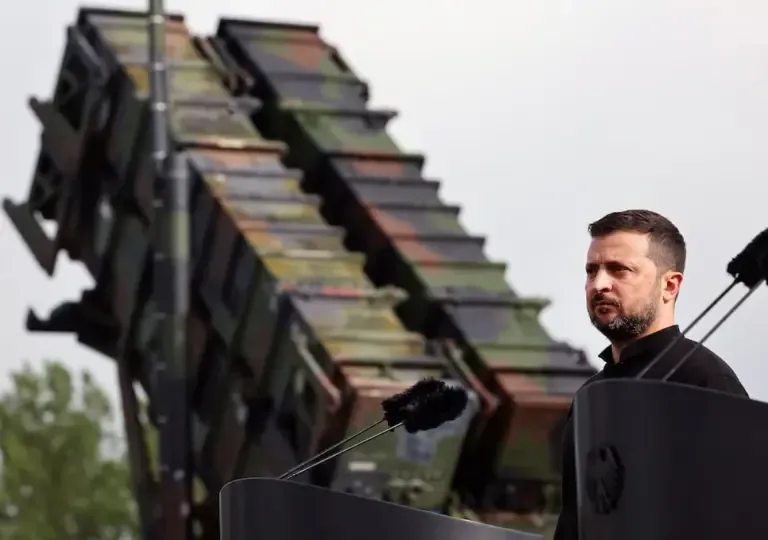
These are the Tomahawk cruise missile systems, used to strike deep into enemy territory, and the Patriot and THAAD interceptors, key defenses against missiles and drones.
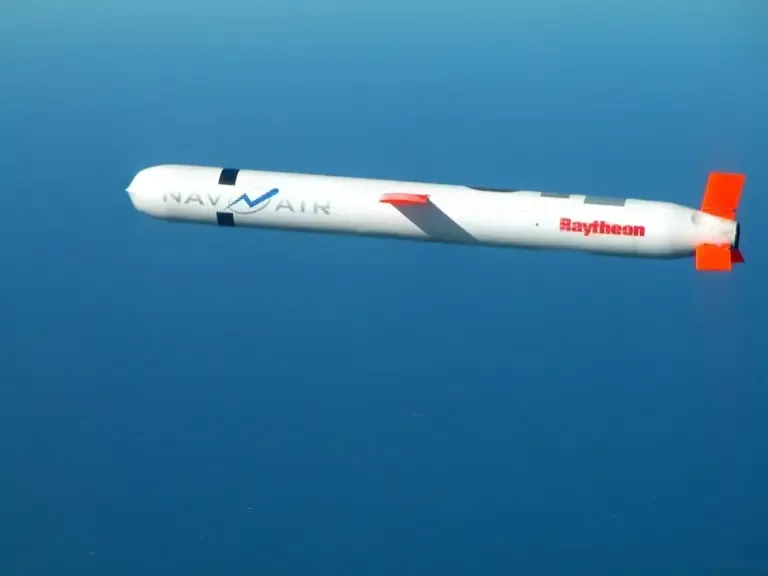
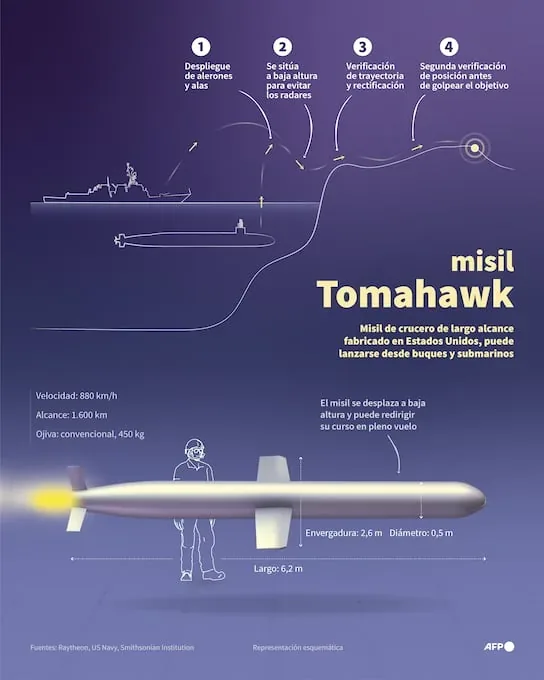
In the case of the Tomahawk, the CSIS report says that the United States used more than 1,000 during the war in Iran and would not recover pre-conflict levels until the late 2030s.
According to the report, due to low orders in the past, fewer than 200 Tomahawk missiles are manufactured annually. However, the manufacturer Raytheon now aims to increase production capacity to more than 1,000 units per year.
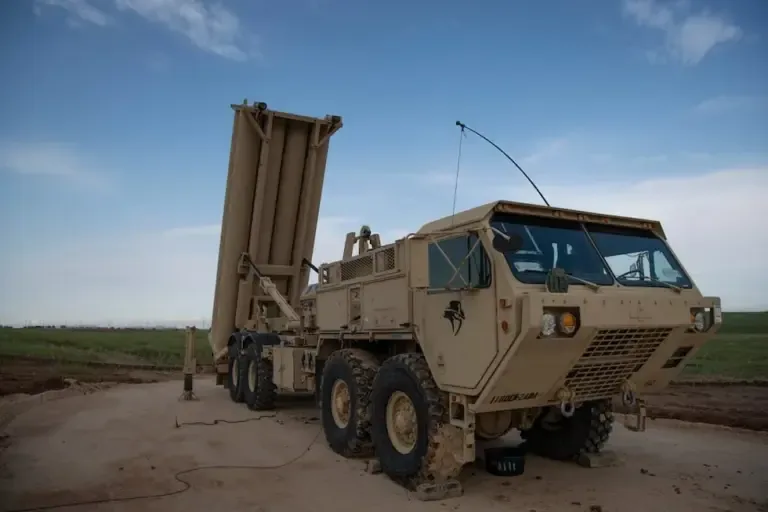
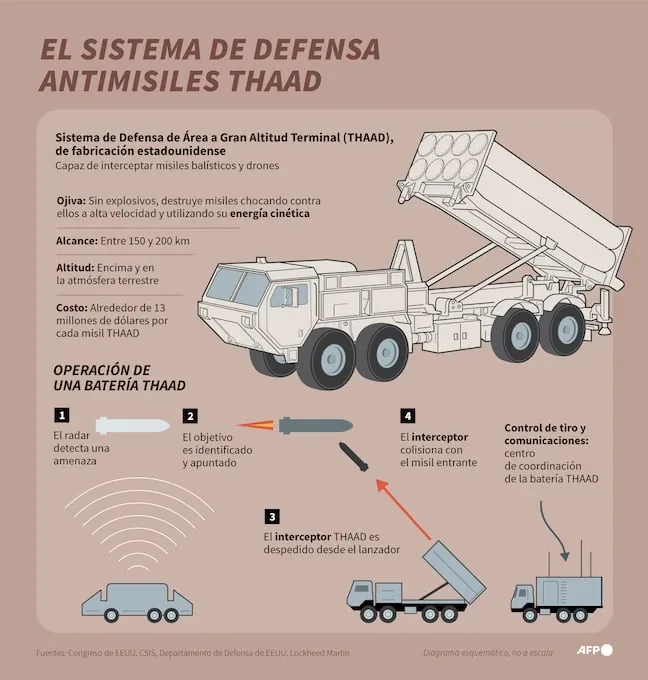
According to CSIS estimates, the replacement of up to 290 THAAD interceptors could extend until late 2029. The manufacturer is Lockheed Martin.
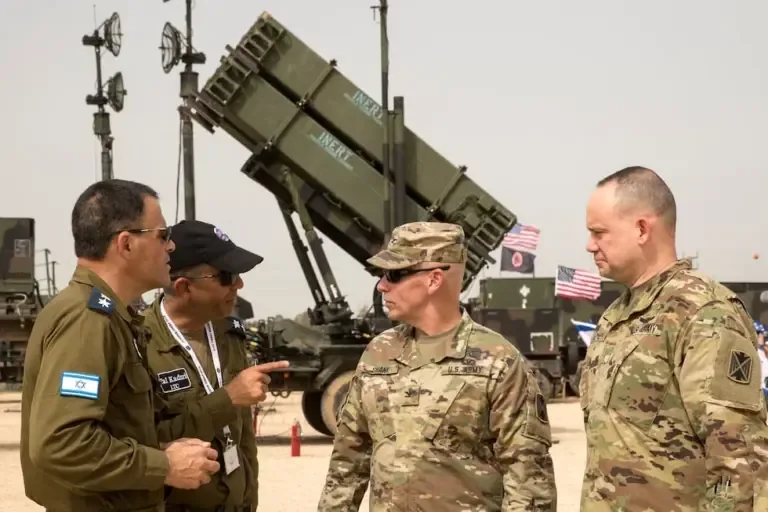
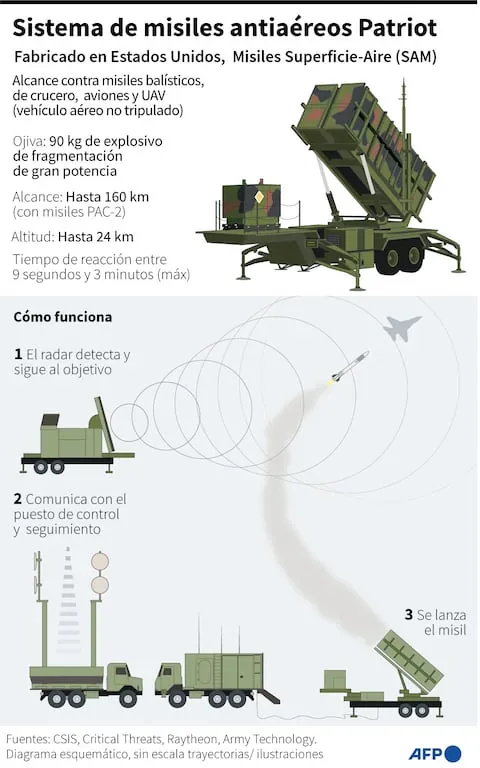
Replenishment of more than 1,000 Patriot interceptors is also expected to conclude by mid-2029.
The analysis holds that the main problem is no longer financial, but industrial. Although President Donald Trump‘s administration drastically increased the defense budget and signed agreements with military companies to expand production, U.S. industrial capacity needs years to ramp up the manufacturing pace of complex systems.
The report also highlights that Washington faces growing tension between replenishing its own arsenals and fulfilling commitments to allies and strategic partners. Countries like Japan, Australia, Saudi Arabia, the United Arab Emirates, and NATO members expect deliveries of U.S. missiles, while Ukraine continues to demand large quantities of Patriot interceptors.
In contrast, other systems such as JASSM missiles and new precision strike missiles (PrSM) could recover faster, between a few months and a year, because production was already accelerating before the war.
CSIS emphasizes that the simultaneous wear of arsenals in the U.S. and Europe reflects a transformation of modern wars: current conflicts consume enormous amounts of conventional weaponry at a much faster rate than the production capacity of Western military industries.
Despite the concern, the report notes that the United States maintains a significant advantage over China thanks to recent combat experience accumulated in the Middle East and other scenarios, something Beijing has not had for decades.
“China is fully aware that it lacks recent combat experience and that it performed poorly in its last war, against Vietnam in 1979,” the report states. “That lack of experience could preserve deterrence until ammunition arsenals are restored.”
However, CSIS warns that logistical and inventory vulnerabilities could persist for several years until military production again reaches levels considered safe in the United States.
“There can indeed be talk of a window of vulnerability”
For defense and intelligence specialist Andrés Gómez de la Torre, the problem is not only the intensive use of sophisticated weapons but the capacity of the U.S. military industry to sustain prolonged wars and quickly replenish critical systems.
Gómez de la Torre explained to El Comercio that the “Midnight Hammer” operations (U.S. attacks against Iran in June 2025) and especially Epic Fury (the current war against Iran) involved significant logistical wear for the United States.
“Without a doubt, both operations have clearly resulted in a high wear cost in terms of military logistics,” he said.
Read more LIVE | Cristal visits Cerro Porteño for the final matchday of Group F of the Copa Libertadores
He recalled that Washington was not only directly involved in those conflicts but also maintains strong military support to Ukraine and other strategic allies around the world.
“In the case of the Patriot missile, for example, it has not only been transferred to Ukraine but to more than 15 countries,” he indicated.
Gómez de la Torre considered that there can indeed be talk of a temporary vulnerability situation for the United States due to the high demand for weaponry in various international scenarios.
“There can obviously be talk of a sort of window of vulnerability because in recent months there has been a saturation of its use,” he affirmed.
For Gómez de la Torre, the current scenario forces a review of the real capacity of the United States to sustain prolonged high-intensity conflicts.
“This obviously implies reviewing the concept of prolonged wars. How possible is it for the United States to wage prolonged wars given the capacity of its so-called historical military-industrial complex?” he said.
“The problem is not with the Armed Forces”
The specialist emphasized that the main challenge does not lie with the U.S. Armed Forces but with the industrial capacity to produce and quickly replenish sophisticated weaponry.
“The problem is not with the Armed Forces, it is precisely with the large supplier companies that have been major military contractors with the U.S. government,” he said.
In that sense, he explained that military logistics not only influences direct combat but also the capacity to sustain a war effort over time.
“Logistics impacts not only the battlefield itself but the sustainment of a war effort and, consequently, deterrence policies,” he indicated.
The China and Russia factor
Gómez de la Torre warned that this situation must be especially observed in relation to powers like China and Russia, at a time when Washington is trying to maintain simultaneous response capacity on several fronts.
He added that the problem is not exclusive to the United States. He recalled that the European Union also faces logistical difficulties after massive arms transfers to Ukraine.
“The same has happened to the European Union. They also talk about a deficit and a much higher investment they have to make in defense not only in terms of capabilities but also logistics,” he said.
Finally, he pointed out that current wars are demonstrating an accelerated consumption of conventional weaponry and exposing the limits of Western military-industrial complexes.
“It is a world where a lot of conventional weaponry is being used and this obviously raises major problems of logistics and the capacity of their military-industrial complexes to meet these war efforts,” he concluded.
Read more Romeo Santos and Prince Royce prepare to offer two concerts at the National Stadium of Lima