




![Alberto Beingolea: “If they insist on not giving [the powers], they are complicating life for Peru”](https://insightermedia.com/wp-content/uploads/2026/09/bb3fa9e11304ea13fe2cd333955007bc-150x150.webp "Alberto Beingolea: “If they insist on not giving [the powers], they are complicating life for Peru”")

The conflict began after one of the sons of Joaquín ‘El Chapo’ Guzmán was accused of betraying and handing over to the United States the historic drug lord chief Ismael ‘El Mayo’ Zambada on July 25, 2024. So far, that war has left more than 2,000 dead in the state of Sinaloa.
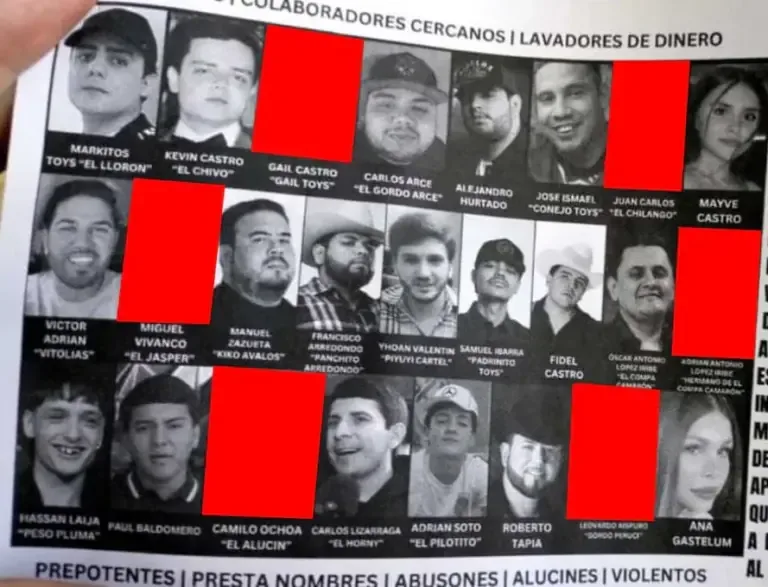
But what do content creators have to do with this conflict? Months after the outbreak of the internal war, pamphlets were circulated in Culiacán naming 25 content creators, musicians, and public figures as having ties to Los Chapitos, the faction led by the Guzmán family.
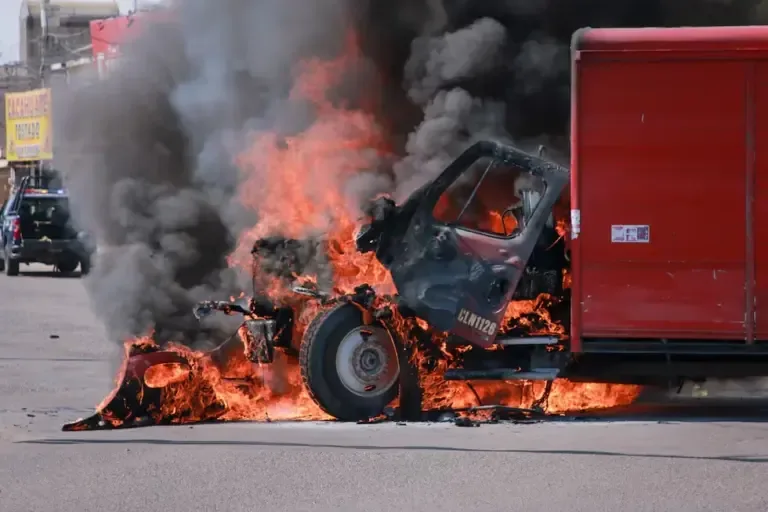
In the pamphlets attributed to La Mayiza (loyal to ‘El Mayo’ Zambada), these people were accused of being collaborators, financiers, or money launderers for Los Chapitos.
“To the general public, these people are not innocent. We kindly ask you to stay away from these YouTubers and stop supporting and watching their content, as these people finance Los Sapitos. No more abuses to the people!” read the pamphlet.
Some of the influencers listed had millions of followers on platforms like TikTok, YouTube, and Instagram and had gained notoriety for showing a lifestyle of ostentation — expensive clothes, luxury cars, jewelry, trips, parties, and drinks — and for posting content related to the so-called narcoculture.
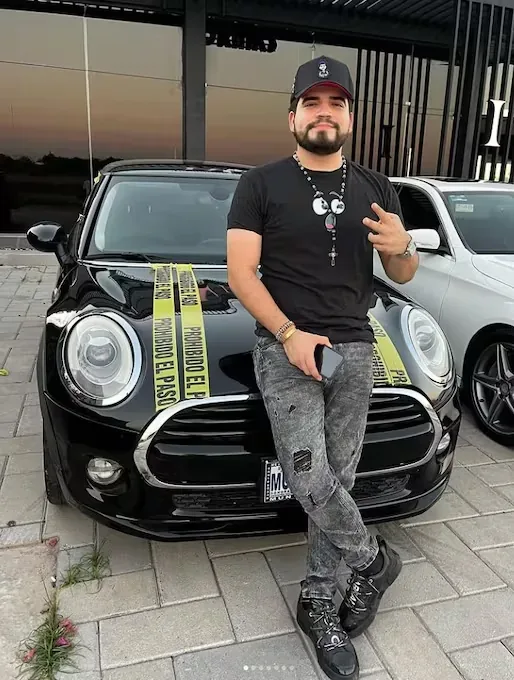
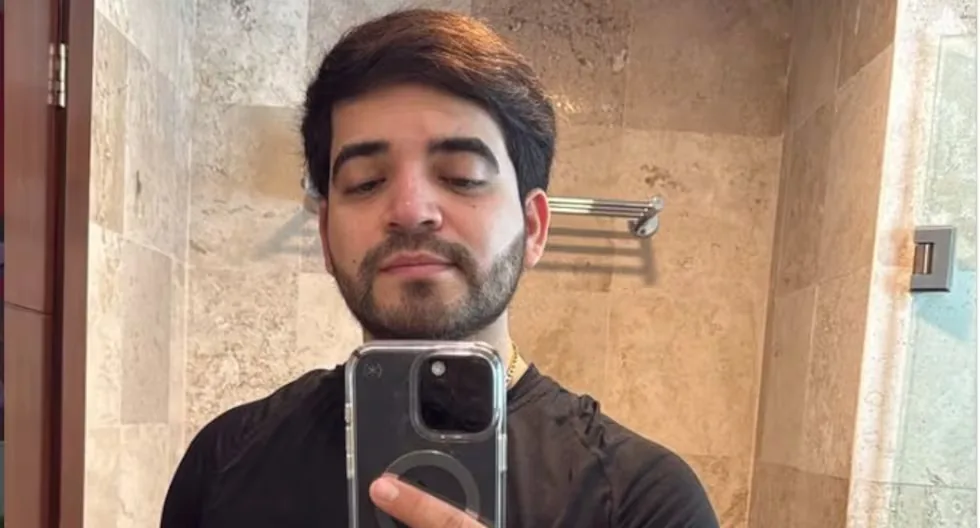
Although César Gastelum did not appear on the list, the Sinaloa Prosecutor’s Office reported on Wednesday that among the lines of investigation into his death are various posts in which he alluded to a faction of a criminal group. The name of the criminal gang was not specified.
On Tuesday night, Gastelum, who had nearly 600,000 followers on TikTok, was with two friends doing a live stream in downtown Culiacán, outside a KFC restaurant. All three were dressed as food delivery workers, when a motorcycle stopped beside them and one of the two occupants shot him in the head.
The murder of Gastelum was recorded live and on security cameras in the area.
Other influencers murdered
The content creator named Juan Carlos, known as El Chilango, was the first to be murdered. The crime occurred on October 19, 2024.
Besides selling sweets, he was known for sharing videos on TikTok where he alluded to Los Chapitos and the Sinaloa Cartel, according to Milenio.
El Chilango was part of the group known as Toys, a group of influencers from Sinaloa led by Markitos Toys (Marco Eduardo Castro Cárdenas). Authorities point to them as being linked to Los Chapitos.
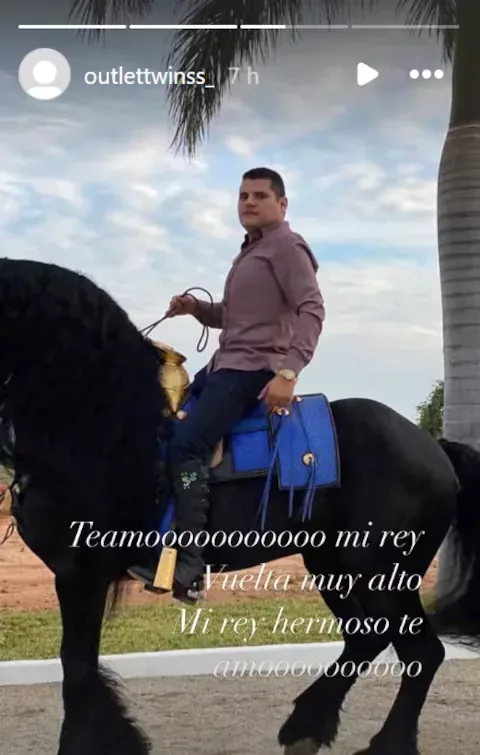
Jesús Miguel Vivanco García, known as El Jasper, was murdered on November 23, 2024, in Culiacán. He was known for sharing content related to life in Sinaloa and narcoculture.
He had been kidnapped two days earlier in Quilá, Sinaloa. El Jasper’s body was found with signs of torture and gunshot wounds. It was located on a dirt path in the locality of El Quemadito, near the Culiacán-Mazatlán highway.
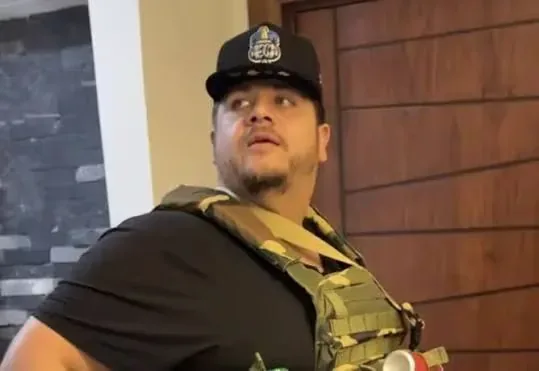
Leobardo Aispuro Soto, known on social media as Gordo Peruci, was murdered on December 9, 2024, in Culiacán. His name appeared on the pamphlet list.
Armed men shot him in front of his house and also killed his wife, Brenda Félix.
Gordo Peruci had hundreds of thousands of followers on YouTube, TikTok, and Instagram. He was dedicated to recording humorous sketches, challenges, money-giving dynamics, and content about his daily life.
Adrián Antonio López Iribe was murdered on December 12, 2024, in Culiacán. He was 31 years old and was the brother of the well-known YouTuber and influencer from Sonora, Óscar Antonio López Iribe, popularly known as El Compa Camarón.
The victim was not a content creator, but his name appeared in early 2025 on a pamphlet under the label “eliminated,” which was circulated by La Mayiza.
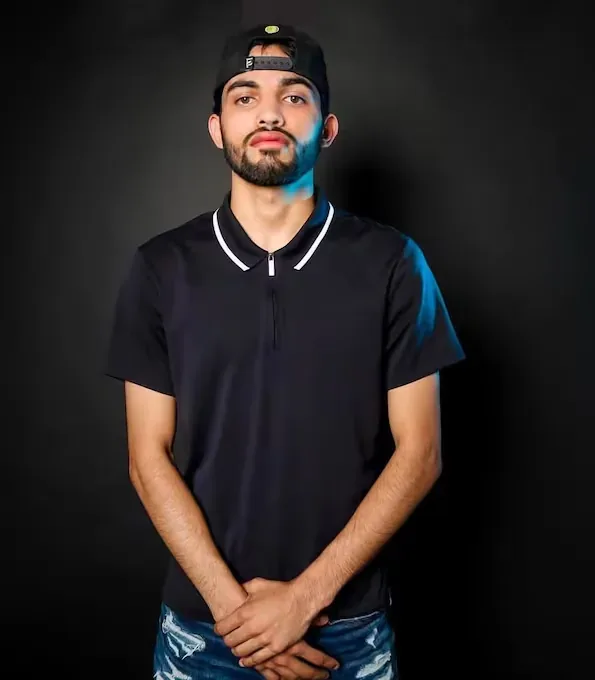
The lifeless body of Agustín Paul, known as El Pinky, was found on January 10, 2025, in Culiacán.
Local authorities indicated that the 22-year-old was tied up by the feet and hands with a rope and that his body showed gunshot wounds.
At the time of his death, he had more than 100,000 followers on TikTok and 40,000 on Instagram. He mainly made comedy videos, daily vlogs, challenges, pranks among friends, and specialized content about cars.
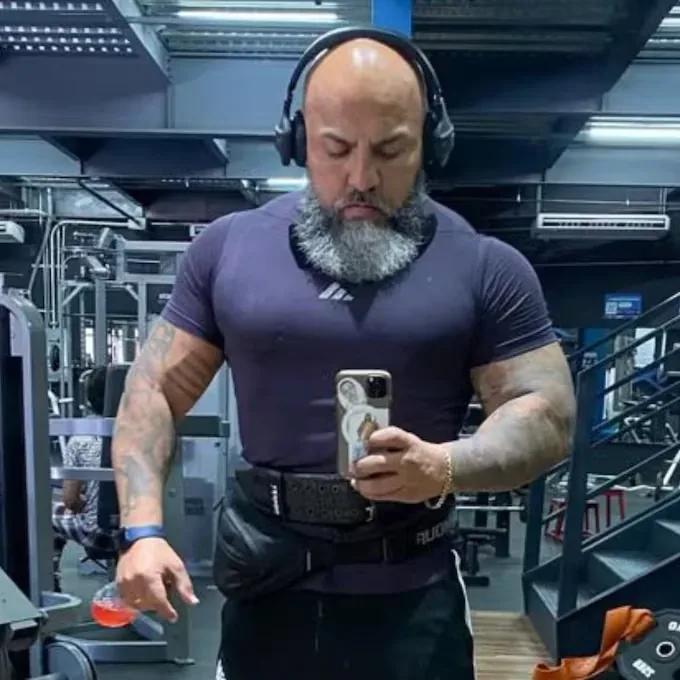
The content creator and healthy lifestyle influencer Adalberto Peña, known as El Tata, was shot dead on January 23, 2025, in Culiacán.
The attack on this 42-year-old man occurred while he was exercising outside a gym in the Bonanza neighborhood.
He had more than 170,000 followers on Instagram, where he shared his workout routines, nutrition tips, family moments, and motivational messages. El Tata did not appear on the threatening pamphlets.
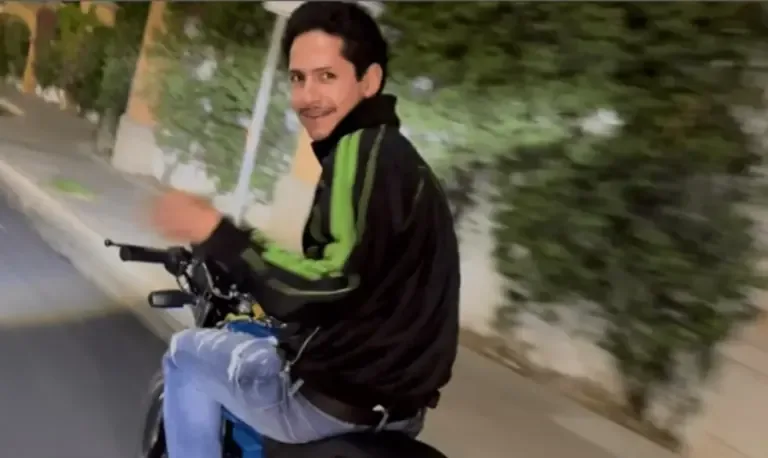
In March 2025, the TikToker and influencer Víctor Manuel “N”, known as El Brasileño, was kidnapped and later shot dead in Culiacán.
On his social media, El Brasileño described himself as a pilot and content creator focused on biker culture. He shared videos doing motorcycle stunts, gave advice on mechanics and spare parts sales.
He owned a motorcycle repair shop, where he also used to record his content for social media.
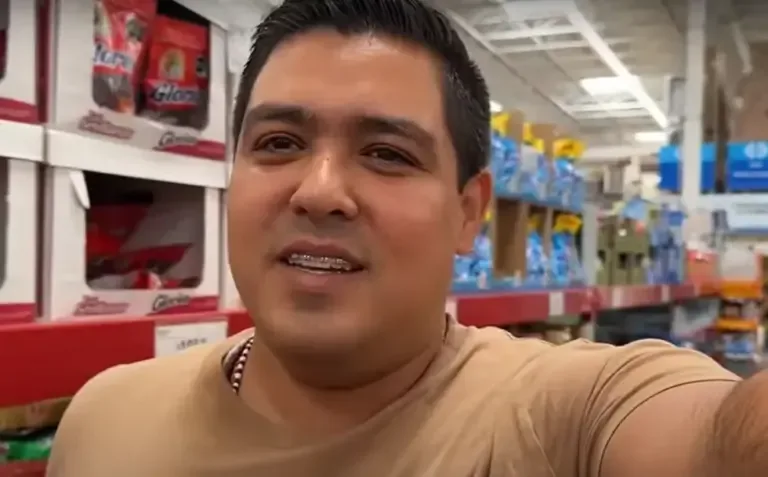
Gail Castro Cárdenas, known as Gail Toys, was murdered on March 28, 2025, after leaving a restaurant in Ensenada, Baja California state. He was the brother of Markitos Toys and his photo appeared on the pamphlet.
Read more Dollar price in Peru: how much the exchange rate closed on Thursday, August 6
Castro Cárdenas, 32 years old, had just eaten and was about to get into his Mercedes Benz truck when he was intercepted by hitmen traveling in a red vehicle. He received multiple gunshot wounds directly to the torso, arms, and face, causing his instant death.
The influencer had been in Baja California for only a few days, having fled Sinaloa after being threatened with death.
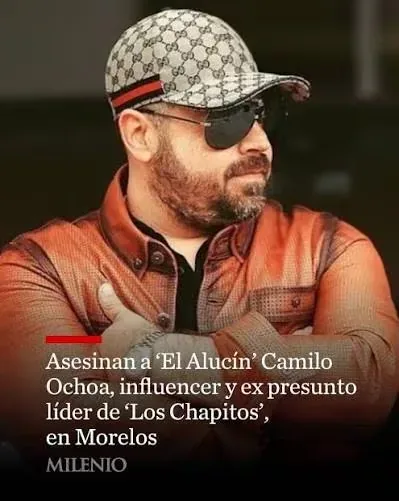
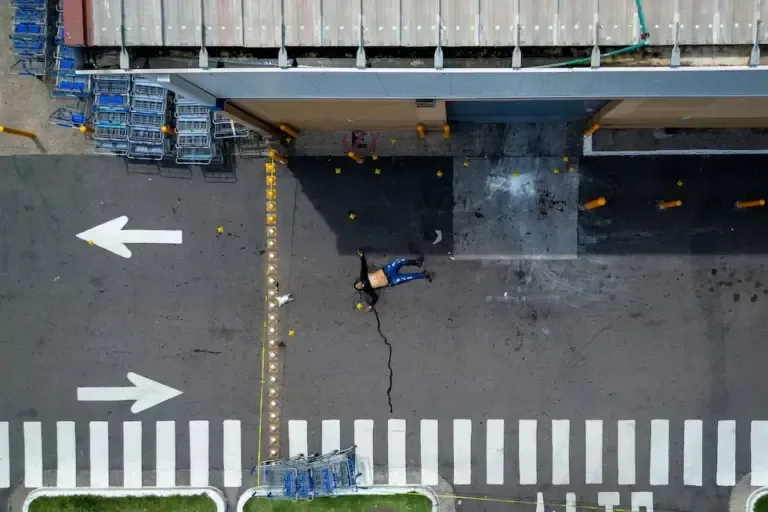
Camilo Ochoa Delgado, known as El Alucín, was shot dead on August 16, 2025, in the municipality of Temixco, Morelos state. He was 42 years old, originally from Culiacán, and his name appeared on the pamphlets.
El Alucín was at his residence located in the Lomas de Cuernavaca neighborhood when an armed and hooded man violently broke in, went to the bathroom, and shot him multiple times at close range.
Hours before his murder, the influencer posted videos on his social media showing off luxury items. He also said a phrase directed at his detractors: “I need more haters so the stats keep growing and I keep monetizing more.”
He was the son of the founder of the famous restaurant chain El Pollo Loco. In various journalistic interviews, he openly admitted that he belonged to the Sinaloa Cartel and that he came to control the Mazatlán plaza.
In his last weeks of life, El Alucín used his platforms to launch harsh criticisms against Ismael Zambada Sicairos, alias ‘El Mayito Flaco’, leader of La Mayiza.
In the pamphlets, he was accused of being a “financier and close collaborator” of Los Chapitos.
Video of influencer Gerardo Moya alias “El Jerry” days earlier
— el blog de los guachos (@blogdelosguachs) November 17, 2025
Today he was executed in the 3 Ríos sector in #Culiacán, #Sinaloa. https://t.co/tqflGGG511
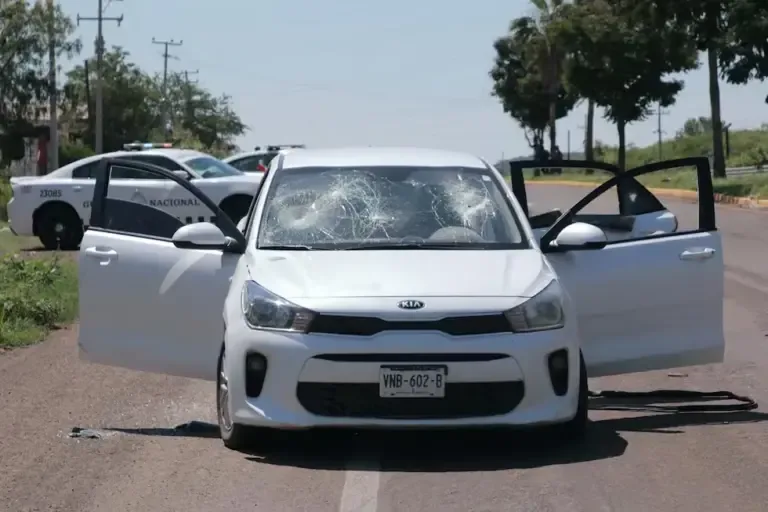
The influencer Gerardo Moya, known as El Jerry, was chased while in his truck and shot dead on November 16, 2025, in Culiacán. He was 25 years old.
On his social media accounts, El Jerry posted photos and videos with firearms and luxury vehicles.
Minutes before dying, the influencer uploaded a story to his Instagram account where he was seen driving, opening a can of beer, and listening to a narcocorrido that directly alluded to Los Ántrax, a former armed wing of La Mayiza.
According to El País México, in his content a patch with the initials “MF” was seen, a direct reference to ‘El Mayito Flaco’.
Influencers caught in the internal war
Víctor Manuel Sánchez Valdés, a research professor at the Autonomous University of Coahuila, doctor in public policy from CIDE, and scholar of organized crime, told El Comercio that the wave of murders of content creators is closely linked to the rise of narcoculture on social media and the fracture of the Sinaloa Cartel.
He indicated that many influencers found in narcotrafficking-related content a way to attract audiences and gain millions of followers.
That search for popularity, Sánchez said, led several of them to associate with organized crime leaders or to express favorable or critical opinions about some of those figures.
“While the cartel remained united, that closeness did not represent such an obvious risk. However, the situation changed completely when, in 2024, the war broke out between Los Chapitos and La Mayiza”, he emphasized.
“Many of these influencers, to which singers of narcocorridos must also be added, had better relationships with some bosses than others. That caused them to end up boxed into one side or the other”, he added.
In the logic of the internal dispute of the Sinaloa Cartel, that perception was enough to make them targets. “They ended up caught in the internal dispute process of the Sinaloa Cartel, even if they were not directly involved in drug trafficking. They were engulfed by the narcoculture in which they became involved”, Sánchez said.
A war also fought on social media
The security expert warned that digital platforms have become a strategic tool for criminal organizations. He assured that they not only seek to control territories but also the narrative of violence.
To do this, they use YouTube channels, Facebook accounts, profiles on X, Instagram, and TikTok from which they spread messages favorable to their interests and discredit their rivals, he explained.
“They use the different platforms to tell a story that is favorable to them and, at the same time, to denigrate or filter information about rival organizations”, he stated.
That strategy also puts in the spotlight those who publicly appear defending or promoting those contents. Even anonymous accounts are at risk. “Through hackers, sometimes they manage to identify who is behind those profiles and attack those people”, he said.
Sánchez specified that there is a difference between producing content about narcoculture and becoming, consciously or unconsciously, a propaganda tool for a criminal organization.
He explained that drug trafficking groups usually tolerate general content about the phenomenon but react when they detect constant support for one faction and systematic attacks against another.
He added that the risk increases when content creators establish personal ties with members of organized crime. He warned that the organizations themselves have intelligence networks that allow them to identify who frequents the different leaders.
“There are influencers who attend parties where the criminal organization leaders themselves are. If the rival organization detects that you socialize with them, receive money, or serve their interests, the existing risk multiplies”, he concluded.