




![Alberto Beingolea: “If they insist on not giving [the powers], they are complicating life for Peru”](https://insightermedia.com/wp-content/uploads/2026/09/bb3fa9e11304ea13fe2cd333955007bc-150x150.webp "Alberto Beingolea: “If they insist on not giving [the powers], they are complicating life for Peru”")




After completing the celebrations for National Holidays and the holiday for the Battle of Junín, many workers and students are already starting to check the calendar to find out when the next official break of the year will be. Holidays represent an opportunity to plan trips, spend time with family, or simply take a break from the routine, so there is great interest in knowing the upcoming dates established by law. In addition to providing a space for rest, these days usually generate significant movement in sectors such as tourism, commerce, gastronomy, and transportation, due to the increase in people who take advantage of the days off to leave the city or engage in various activities. Likewise, many companies and entities organize their operations in advance to adapt to the official calendar, while families take advantage of these dates to schedule gatherings, weekend getaways, or visits to different destinations in the country. Therefore, knowing in advance when the next holiday will be is key to organizing personal and work schedules, avoiding setbacks, and making the most of the remaining days off in 2026. Below, we will tell you everything you need to know about this situation.
Read more Quini 6 Anniversary Draw, Sunday, August 9, 2026: the jackpot up for grabs is 20 million
When is the next holiday in August 2026?
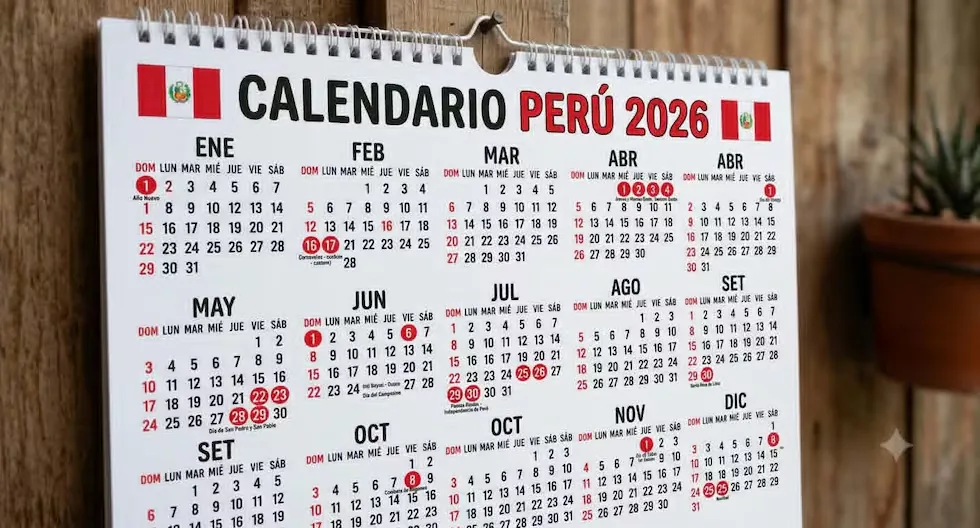
After the national holiday on August 6, public attention focuses on the following holidays included in the official 2026 calendar. If you want to know when the next holiday will be and which dates are still left to enjoy this year, here we tell you all the details.
- Sunday, August 30: Santa Rosa de Lima
- Thursday, October 8: Battle of Angamos
- Sunday, November 1: All Saints’ Day
- Tuesday, December 8: Immaculate Conception
- Wednesday, December 9: Battle of Ayacucho
- Friday, December 25: Christmas.
What characterizes a holiday?
Holidays are dates established by law on which workers have the right to suspend their work without this affecting their pay. During these days, rest is mandatory for both the public and private sectors, except for those activities that, by their nature, must continue operating.
If a worker provides services during a holiday and does not receive a compensatory day off, labor legislation establishes that they are entitled to additional pay for having worked on that date, according to current regulations.
How does a non-working day work?
Unlike a holiday, a non-working day does not constitute mandatory rest for all workers. Generally, this measure applies to the public sector with the aim of extending rest periods or promoting activities such as domestic tourism.
In the case of public entities, the hours not worked must be made up later, within the period set by regulations or as determined by each institution. For the private sector, the application of a non-working day depends on an agreement between employer and workers. If there is no consensus on making up the hours, the employer will determine how these should be compensated.
RECOMMENDED VIDEO
#Oil #Economy #Inflation #FinancialMarkets #EconomicCrisis #EconomicNews #Shorts
👉 Subscribe and activate the bell so you don’t miss our daily analysis.
🌎 Follow us on our social networks:
📌 Official website: https://gestion.pe/mundo/
📌 LinkedIn: http://bit.ly/3HYIET0
📌 X (Twitter): http://bit.ly/4noZtX9
📌 TikTok: http://bit.ly/4evB6TO