




![Alberto Beingolea: “If they insist on not giving [the powers], they are complicating life for Peru”](https://insightermedia.com/wp-content/uploads/2026/09/bb3fa9e11304ea13fe2cd333955007bc-150x150.webp "Alberto Beingolea: “If they insist on not giving [the powers], they are complicating life for Peru”")

The sound of a bell was heard again at La Bombonera. Two years had passed since the last time that metallic strike announced the start of a fight. Two years of silence in a place accustomed to the noise of gloves, the roar of the stands, and the stories of men and women who learned there that to get up, you also had to know how to fall.
The afternoon of last Sunday was different. From early on, families began to occupy the renovated stands of the historic National Stadium venue. There was not much free space left. Peruvian boxing had returned home and no one wanted to miss that moment.
There were children, parents, lifelong fans, and also young people arriving for the first time to get to know the place where so many national boxers built their careers. La Bombonera was full again. But above all, it was alive again.
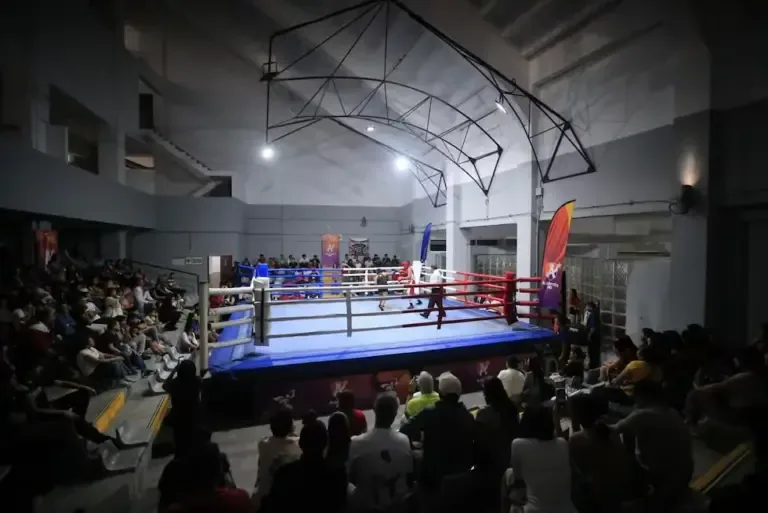
The new seats, lighting, and renovated spaces could give the venue a different appearance, but there was something no renovation could change: the memory.
Because La Bombonera is not just a gym or a sports venue. It is one of the places that helped build the history of Peruvian boxing. There, for decades, generations of boxers found a space to train, compete, and pursue a dream that often seemed too big.
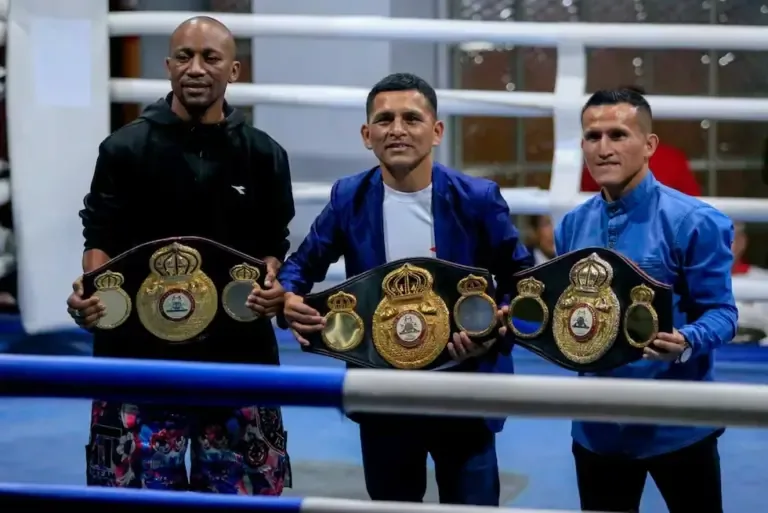
Among those who returned on Sunday was Alberto ‘Chiquito’ Rossel. For him, returning had an even greater meaning. He arrived at La Bombonera when he was just 15 years old. There he began to forge the career that led him to become Peru’s first interim male world boxing champion.
This time he was not there only as a former champion. He was also there as a trainer and talent scout, as one of those responsible for searching among hundreds of young people for the next representatives of Peruvian boxing as head of the IPD Academies.
“It is an immense joy to have this opportunity to be present at the reopening of La Bombonera at the National Stadium,” said Rossel. He did not hide his emotion. Nor his nostalgia. He had returned to the place where it all began.
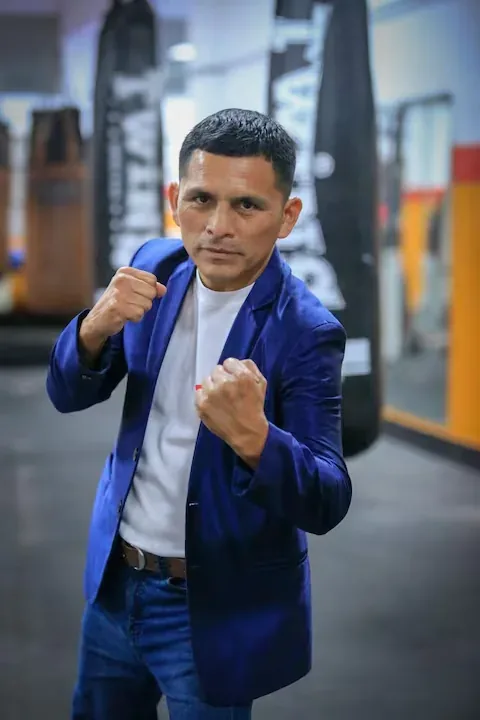
And while he spoke, in the stands there were students from the IPD academies. Some were waiting their turn to get into the ring. Others watched attentively every move of their teammates. For them, that afternoon was not just another exhibition. It was the opportunity to feel, even if only for a few hours, what it means to be part of a story that began long before they arrived.
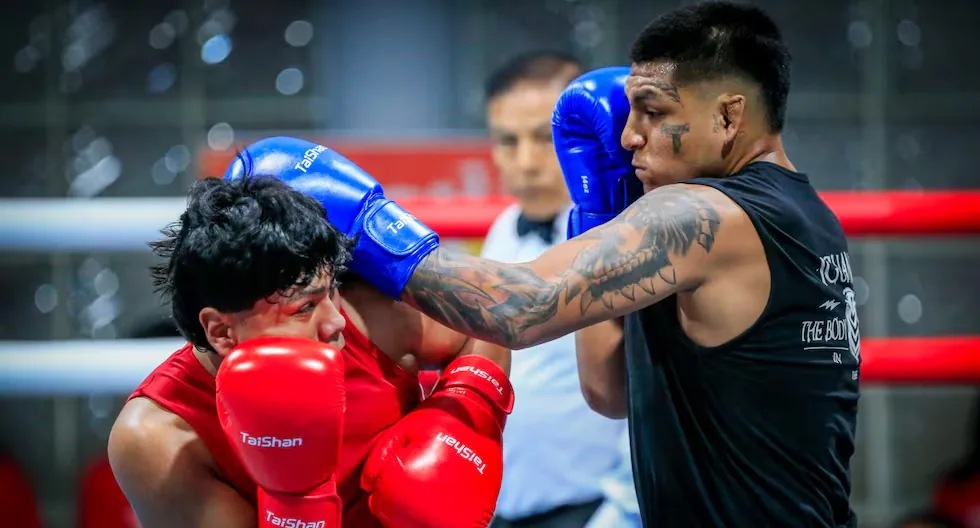
The first to go up were the students from the IPD academies. There were six fights that served to reopen the competitive venue. Canto Grande, Carabayllo, San Luis, National Stadium, Matute, Santa Anita, and Videna were represented.
Every punch carried behind it hours of training. Every hug after a fight seemed to say that the result mattered less than having made it there.
Read more Japan is looking for its next successful manga author and it could be you (seriously)
Then the invited boxers arrived. Among them was James Llontop, who besides boxing has represented Peru in mixed martial arts. The event began to take on the rhythm of a professional evening, while the stands responded to every exchange with applause and cheers.
See this post on InstagramA post shared by DT El Comercio (@dtelcomercio)
But the night still held its main moment. Carlos ‘Mina’ Zambrano and Leodan Pezo were responsible for closing the event. Two generations face to face. Two different stories meeting in the same ring.
Zambrano was that young man who in 2016 signed a contract with Mayweather Promotions, the prestigious company led by Floyd Mayweather. Pezo, on the other hand, represents a more recent generation and carries with him a bronze medal won at the Lima 2019 Pan American Games and the experience of having competed at the Tokyo 2020 Olympic Games.
The main fight was, in a way, a snapshot of the present and past of Peruvian boxing. But perhaps the most important image was outside the ring. It was on the faces of the students watching. Rossel knows them well. He knows that behind every young person who comes to train there may be a story similar to his own. That is why he insists on the need for Peru to have more frequent Olympic presence again.
He remembers Carlos Burga in 1972. He remembers his own participation in Atlanta 1996. He remembers Leodan Pezo in Tokyo 2020. Too many years between one generation and another. “One of my dreams is to see the national team at the Olympic Games. Not to wait so many years to see it,” he confessed.
The phrase sums up much of the challenge ahead for Peruvian boxing. The reopening of La Bombonera does not solve all the problems, but it returns something fundamental: a place to start.
The venue was renovated with new seats, locker rooms, and restrooms, improvements in the training area, lighting, and work aimed at making it a safe and functional venue again. The goal is for it to once again host training, exhibitions, and high-level competitions.
And that Sunday it also received something that no construction can build alone: people. La Bombonera heard applause again. It felt the footsteps of the boxers again. It welcomed families again. It had young people dreaming of becoming champions again. After two years, the silence ended.
Perhaps that is why the most powerful image of the day was not that of a punch nor of a winner raising their arms. It was that of those young people from the IPD Academy hugging after fulfilling a dream. Because some came to fight. Others, to watch. And some may not know it yet, but among all of them could be the next name to take Peru back to the Olympic Games.
La Bombonera reopened its doors. And with it, a possibility reopened as well. That Peruvian boxing will have a new story to tell again.
*********