




![Alberto Beingolea: “If they insist on not giving [the powers], they are complicating life for Peru”](https://insightermedia.com/wp-content/uploads/2026/09/bb3fa9e11304ea13fe2cd333955007bc-150x150.webp "Alberto Beingolea: “If they insist on not giving [the powers], they are complicating life for Peru”")



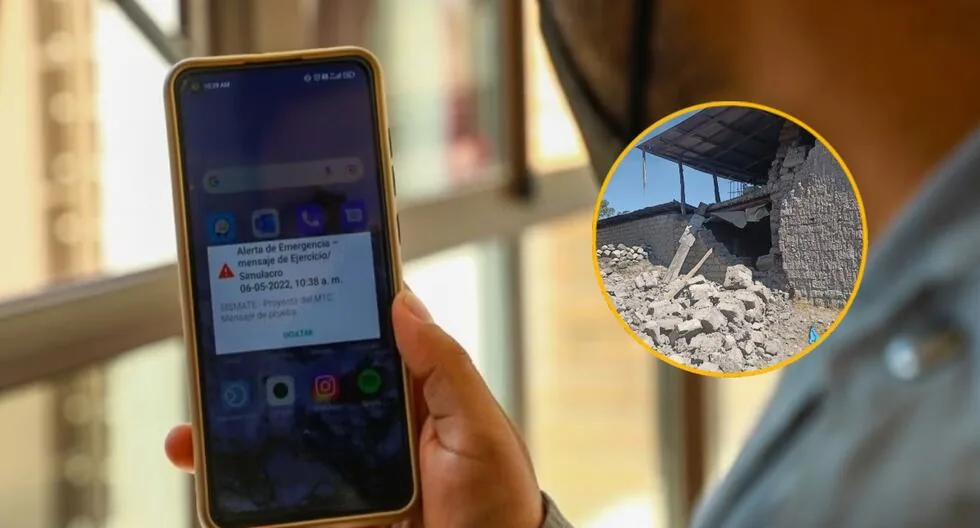
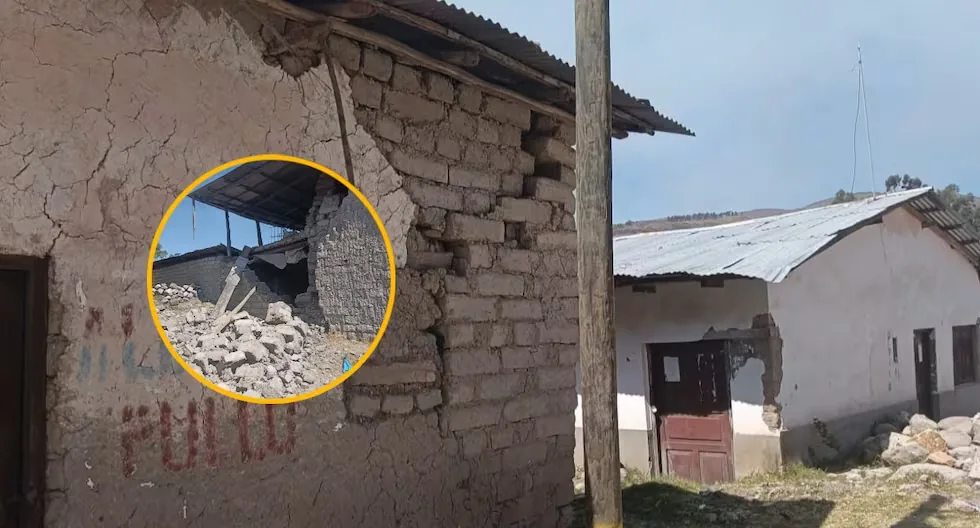
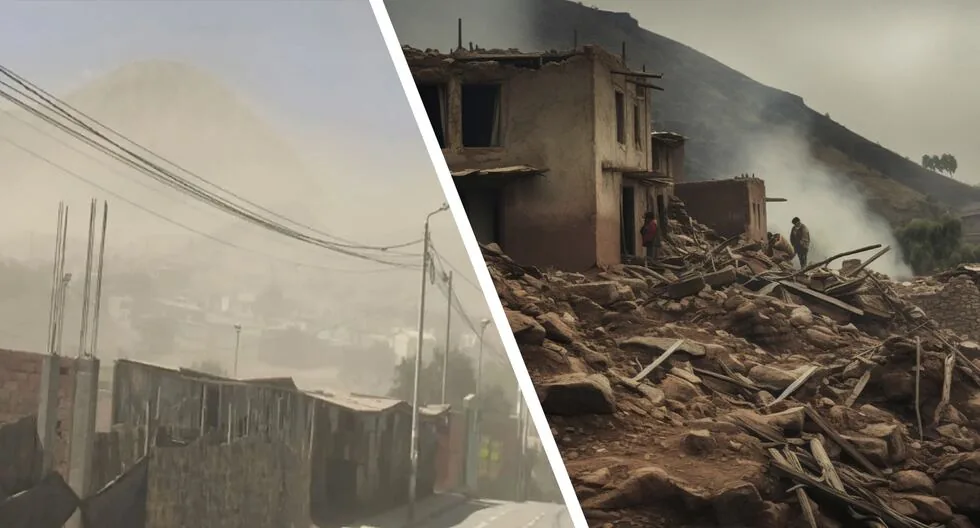
In Peru, the constant seismic activity makes many homes and establishments vulnerable to a possible earthquake, whether due to their age, lack of maintenance, or construction without technical criteria. Thus, amid the strong seismic movements recorded in Lurín and recently in Ayacucho, many people have questioned the absence of the prior alert from the Emergency Early Warning Messaging System on their mobiles. Faced with this uncertainty, the National Institute of Civil Defense (Indeci) explained the true function of SISMATE and how it relates to natural phenomena or emergency situations that require quickly alerting the population. In the following note, we tell you everything you need to know about it.
Read more Minimum wage increase to S/1,300: What is known about its enactment and payment?
WHAT NATURAL PHENOMENA OR EMERGENCIES DOES SISMATE ALERT?
Through its official platforms, the National Institute of Civil Defense reported that SISMATE is not designed to issue early warnings for earthquakes in the country, because its function is to warn about natural phenomena of progressive development, such as floods, tsunamis, river overflows, and mudslides. Thus, these messages that will reach cell phones will be accompanied by a sound signal intended to warn the population and convey relevant information about the emergency.
Beware of confusion! 🚨
#SISMATE will not give you prior notice of an earthquake, but it will alert you to possible dangers that may occur progressively in your geographic area📍.
Check your phone and keep alerts active! 📲 pic.twitter.com/ihgNL3ZUVd
— INDECI (@indeciperu) August 20, 2026
For its part, in an interview with Exitosa, the Deputy Director of Preparedness at INDECI, Zarela Cieza, announced that the Peruvian Seismic Alert System (SASPe) is already operational and works in coordination with the Geophysical Institute of Peru (IGP). However, the system operates through sirens installed in previously selected institutions and buildings, which activate when an earthquake of magnitude six or greater is detected, so it is expected that in a next phase it will alert mobile devices.
WHY WAS IT SO LOUD BEFORE THE EARTHQUAKE IN LIMA, ACCORDING TO IGP?
In the early hours of Wednesday, August 19, an earthquake of magnitude 4.8 was recorded 42 kilometers southwest of Lurín, in Lima, generating alarm among the population, who were still resting. However, seconds before the strong seismic movement, thousands of Limeños reported hearing a strange noise coming from the surface. In response, in statements to América Noticias, Hernando Tavera, executive president of the Geophysical Institute of Peru, first ruled out that this tremor is related to the recent seismic events recorded in Venezuela and Colombia.
Thus, regarding the strange noise, the head of the IGP specified that it was caused by P waves (primary or compressional), which travel quickly and generate perceptible vibrations, especially in areas close to the epicenter. Likewise, the public agency warned that the central zone of the country continues to accumulate tectonic energy, a condition that could trigger a higher magnitude earthquake in the future. “The P wave group is a wave that simply hits the ground like a kind of hammer. It moves things, and when it moves things it generates a certain level of noise that the person perceives,” Talavera explained.