




![Alberto Beingolea: “If they insist on not giving [the powers], they are complicating life for Peru”](https://insightermedia.com/wp-content/uploads/2026/09/bb3fa9e11304ea13fe2cd333955007bc-150x150.webp "Alberto Beingolea: “If they insist on not giving [the powers], they are complicating life for Peru”")



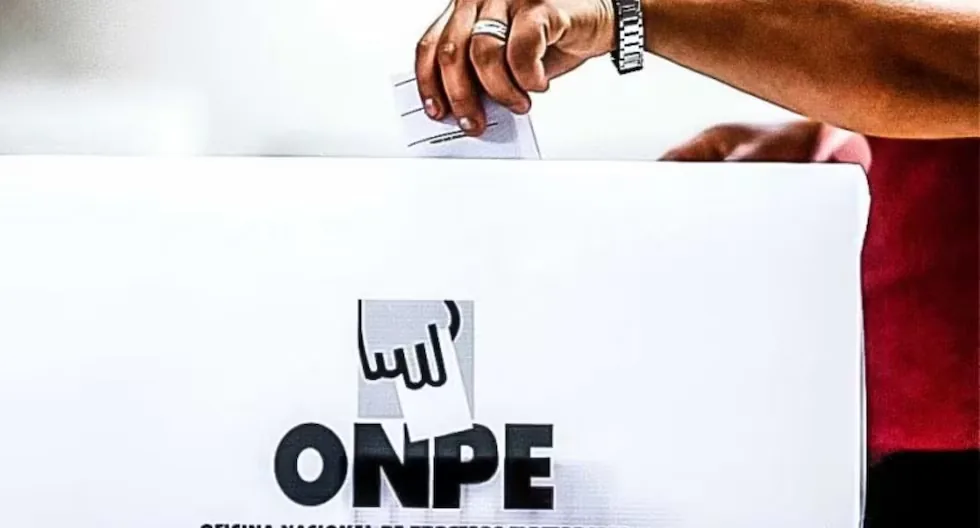
Next Sunday, June 7, the citizens of Peru will go to the polls to participate in the second round of the 2026 general elections, a decisive day that will allow the election of the next president of the Republic. For this reason, the National Office of Electoral Processes (ONPE) reminded the population of the importance of verifying their polling place and table in advance through the official platform of the organization, in order to avoid setbacks during the electoral process. It also clarified that, although many citizens updated their address in the National Registry of Identification and Civil Status (Reniec) in recent months, the current electoral roll was closed before the first round, so some voters may keep the same assigned polling place as before. On the other hand, Peruvian legislation provides for financial fines for those who do not comply with voting and various administrative restrictions derived from the failure to fulfill electoral obligations.
Know your polling place so you don’t have complications on the day of voting in the second round of the 2026 elections
ONPE reported that citizens must go to the same polling place where they voted during the first round held on April 12 and 13, since no changes were made to the voting centers after the official closure of the electoral roll in 2025. The measure seeks to maintain order and transparency in the process amid the political expectations generated by the presidential runoff. Likewise, the electoral body specified that the ballot for this stage will be different from the one used previously, as it will only include two options corresponding to the candidates who obtained the highest votes in the first round. Therefore, the ballot will have a smaller format and simplified information. ONPE also urged citizens to arrive early at their respective polling places carrying only the National Identity Document (DNI), an indispensable requirement to exercise the right to vote.
How will all voters be organized on election day and who could face sanctions for not voting?
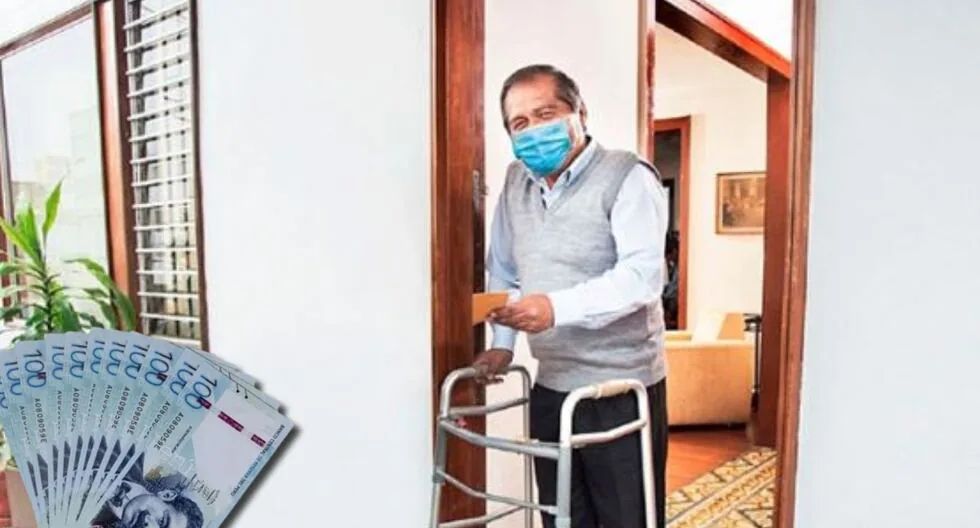
People with disabilities, the elderly, and pregnant women will receive preferential attention and priority access at polling places. The electoral body recommended that these groups come during less busy hours to avoid unnecessary waiting. ONPE reminded that the voting day will take place between 07:00 and 17:00 hours, and requested punctuality from the polling station members, who must set up the tables at 06:00. The institution warned that those who do not attend on election day must assume the legal and financial consequences stipulated in current regulations. For those who cannot attend for justified reasons, the National Jury of Elections (JNE) maintains a special exemption procedure, which requires the presentation of documentary evidence within established deadlines.
What are the consequences for people who do not vote or fail to fulfill their duties as polling station members?
People who accumulate fines for not voting or for being absent as polling station members will not be able to carry out notarial procedures, civil registrations, or access driver’s licenses or passports. In addition, they will face impediments to running for public office and accessing State social programs. The JNE can initiate coercive collection procedures, with the possibility of seizing bank accounts if the debt persists. To avoid these sanctions, payments must be regularized through the Págalo.pe platform, at Banco de la Nación agencies, or directly at JNE offices. The electoral body clarifies that administrative sanctions are only removed after the total amount owed is paid. The fine varies according to the socioeconomic classification of the district of residence. In districts considered non-poor, the amount is S/92; for areas classified as non-extreme poverty, the sanction is S/46; in extreme poverty areas, the penalty is S/23. Those selected as polling station members who do not fulfill that function will face an additional fine of S/230.
Read more China creates a unique digital ‘ID’ for humanoid robots to ensure their traceability