




![Alberto Beingolea: “If they insist on not giving [the powers], they are complicating life for Peru”](https://insightermedia.com/wp-content/uploads/2026/09/bb3fa9e11304ea13fe2cd333955007bc-150x150.webp "Alberto Beingolea: “If they insist on not giving [the powers], they are complicating life for Peru”")



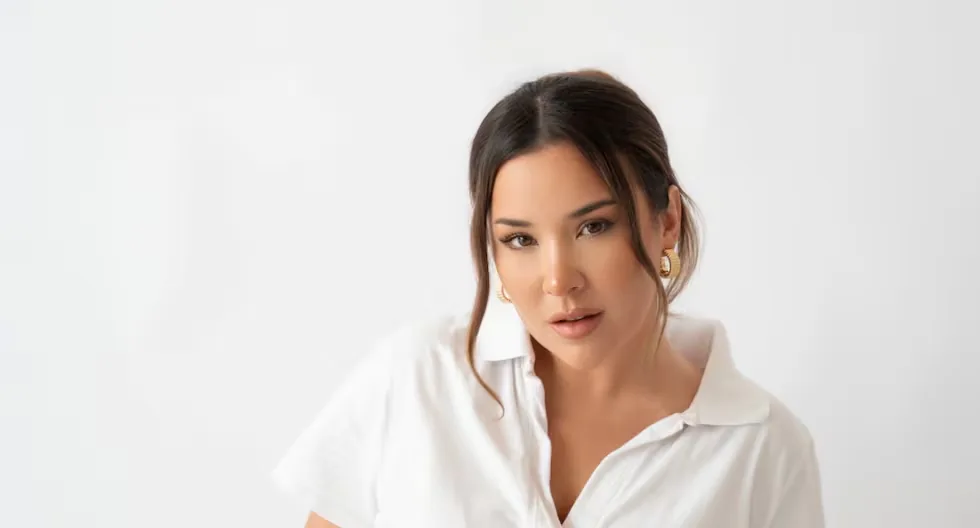
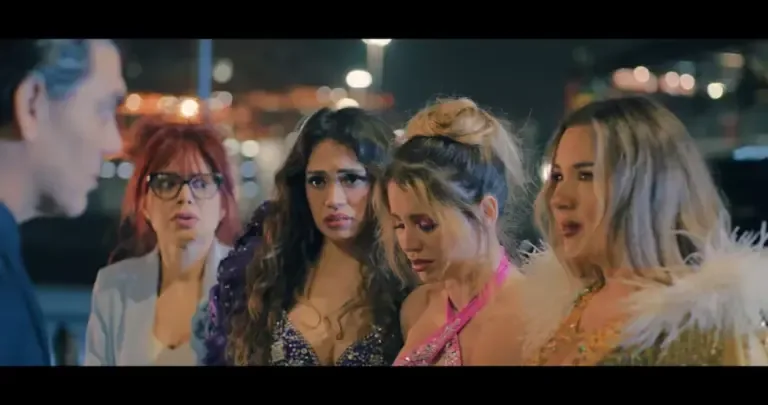
After conquering an entire generation with ‘Come, dance quinceañera’, Alessandra Fuller returns to share the screen with her memorable co-stars in ‘Tomorrow I Get Married’, the new comedy directed by Miguel Zuluaga that premieres this August 13. “When we read the script we loved it because it finds us at a much more adult stage. That allowed us to explore characters with greater depth and freedom. Also, the movie has several nods to our own lives, which made the process very fun and even therapeutic,” the actress tells us.
Read more Which channels broadcast Alianza Lima vs. Sport Boys and what time is the Liga 1 2026 match?
LOOK: Children or “dog-children”? Why Peruvian millennials are rethinking what it means to form a family
In the movie, Ale plays a bride who is about to marry the man of her dreams, but discovers, a few days before the wedding, that this supposed prince charming was hiding a secret much more complex than a simple infidelity. “From there, an absolutely delirious comedy of errors unfolds. I had never laughed so much on a shoot,” she comments.
― The movie talks about marriage and relationships. How do you see that topic in your personal life?
I was never the girl who dreamed of getting married or having children. For me, marriage only makes sense if someone appears with whom I really want to build that project. It is not a goal in itself. If someone comes along with whom I share that dream, I will embrace it with all my heart because I am a person who lives from love, but I do not feel the need to get married just to meet an expectation.
― Do you feel that today it is more difficult to build a life as a couple?
In general, I think relationships have changed a lot today. Also, women are more aware of our value and no longer tolerate situations that were previously accepted due to social pressure. However, I also think we live in times with less patience to resolve conflicts. You have to learn to differentiate when a relationship deserves dialogue and effort and when it is really time to close the cycle. Communication remains the foundation of any healthy bond.
― Besides love, the movie also talks about friendship. How was it to reunite with your co-stars from “Come, dance quinceañera”?
It was wonderful. It seemed like not a single day had passed. The chemistry was still intact. As soon as they said “action,” everything flowed very naturally because we know each other very well. We understand each other just by looking, and that shows on screen. I am sure the audience will reconnect with that complicity.
― How do you feel you have evolved as an actress since then?
Today I feel much more solid. Back then I was learning while working. Now I have more technical tools and can build characters with greater depth and vulnerability. My way of understanding acting has also changed. Before, I thought you gave something of yourself to the character. Today I believe it also happens the other way around: each character transforms you, leaves you lessons, and changes your way of seeing life. That idea has completely changed my relationship with this profession.
― And what do you think has changed the most in you as a woman?
As a woman, I also feel that I live with much more awareness. At that stage, everything happened at an enormous speed and many times I was on autopilot. Today I try to be present, find a purpose in each experience, and walk the path with greater calm.
― You have lived many years under public scrutiny. How did you learn to deal with media exposure?
I don’t know if my experience is recommendable, but I decided to limit many things to protect my image. We were role models for a very young audience and I felt that responsibility. Many times I preferred to stay home rather than expose myself to situations that could be misinterpreted.

― Is it worth everything that being a public figure demands?
I don’t feel like I have lost anything because I grew up within this medium and it is the only reality I know. What I do know is that all the love from the public makes up for any sacrifice. When someone tells me that a character helped them heal or see their life differently, I understand that everything is worth it.
― You are also a content creator. What role have social networks played in your career?
They have been fundamental. Thanks to them I was able to produce my first film, “Between Us”, without commercial financing. My partner and I fully took on that challenge and that was possible, in large part, thanks to the work I developed on digital platforms.

― At some point, does being constantly connected overwhelm you?
Social networks have wonderful things and also a very harsh side. There is a lot of love, but also a lot of hate. That is why it is important to learn to manage that exposure, use the tools offered by the platforms, and above all, surround yourself with people who remind you who you really are.
― What do you dream of for the coming years?
I want to keep producing and, eventually, directing. My biggest dream is to help Peruvian cinema grow and have more and more international presence. I want to invest my time in telling stories, generating jobs for talented teams, and opening opportunities for our cinema. This year I had the opportunity to attend the Cannes Festival, something I dreamed of since I was a child. These are experiences that remind me that dreams can come true, but also that I am just beginning the journey.
― And what is Alessandra Fuller like when the cameras turn off?
I love extreme sports. I am certified to paraglide and scuba dive; I practice wakeboarding, paddleboarding, surfing, and I also enjoy skydiving. I like to feel alive and connect with nature. I also love traveling and discovering new places, especially in Peru. But above all, I enjoy sharing those moments with the people I love. That is where I truly connect with my essence. //
Read more Liga 1 MAX free online, Alianza Lima vs. Sport Boys for matchday 4 of the Torneo Clausura
- The day Los Prisioneros were saved from tragedy in Utopía and the revelations of the book about the Chilean band’s time in Peru
- Madonna’s “Confessions II”: a return to the dance floor that leaves mixed feelings
- “It was a very hard life”: the biography of Blanca Varela that delves into her loving, political, family side and her Peruvian identity
- After 30: the muscle mass loss no one told you about
- Julia Codesido’s house in Pueblo Libre and the dream of turning it into a cultural circuit like Frida Kahlo’s in Mexico