



![Alberto Beingolea: “If they insist on not giving [the powers], they are complicating life for Peru”](https://insightermedia.com/wp-content/uploads/2026/09/bb3fa9e11304ea13fe2cd333955007bc-150x150.webp "Alberto Beingolea: “If they insist on not giving [the powers], they are complicating life for Peru”")



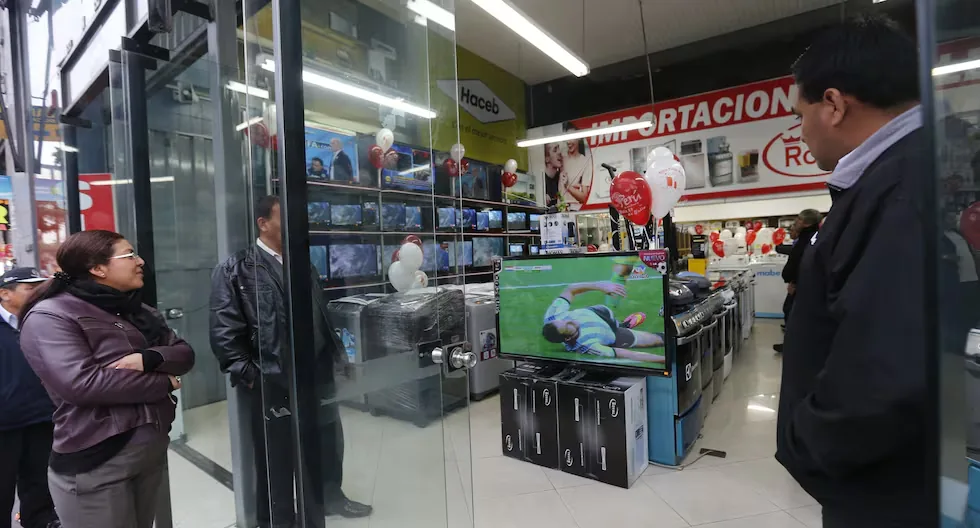
A few weeks before the celebration of Father’s Day, the Retail and Distribution Guild of the Lima Chamber of Commerce (CCL) projects a campaign with positive results, driven mainly by the commercial effect of the 2026 World Cup, as well as promotional strategies and financing facilities that will help boost consumption.
This was stated by Leslie Passlacqua, president of the guild, who projects a growth of between 3% and 5%, meaning sales of between S/4,142 million and S/4,222 million, an amount higher than the S/4,021 million recorded in June last year.
READ ALSO: Minem promotes portfolio of rural electrification projects in Loreto for S/850 million
She explained that, although the projections are favorable, there is some caution among consumers due to the electoral context and the proximity of the presidential runoff, a factor that usually temporarily influences spending decisions.
However, she reiterated that the 2026 World Cup will help compensate for this effect, especially in categories related to entertainment and technology. “The Peruvian consumer is being selective and careful with their budget due to the electoral issue, but relaxes that caution when they find high emotional value, such as celebrating dad, or an entertainment incentive like the World Cup,” she indicated.
Regarding the temperatures that would be recorded this year, she pointed out that, although they differ from previous years’ seasons, the impact would be moderate for retail sales. “With this scenario, companies must bet on more effective commercial campaigns and value propositions that connect with consumer needs that are not necessarily related to this unusual season,” she stated.
Lower ticket spending
The guild estimated that the average ticket per person would be between S/ 150 and S/220 per person, a figure lower than that recorded last year, when it exceeded S/ 250.
Although a lower purchase expenditure is expressed for this year, she maintained that the expected sales growth will respond to greater commercial activity driven by promotions, discounts, and increased demand in specific categories and by the very activity that the 2026 World Cup brings around the sector.
In that vein, she affirmed that omnichannel strategies will be fundamental to capture demand. “The customer will actively look for promotions linked to the World Cup and offers that allow them to maximize every sol invested,” she affirmed.
Technology and entertainment will boost sales
Among the categories with the highest demand are technology and home appliances, especially televisions, sound systems, and projectors, due to the so-called “football effect,” which will accelerate the renewal of screens, especially high-end and mid-range ones between 50 and 65 inches.
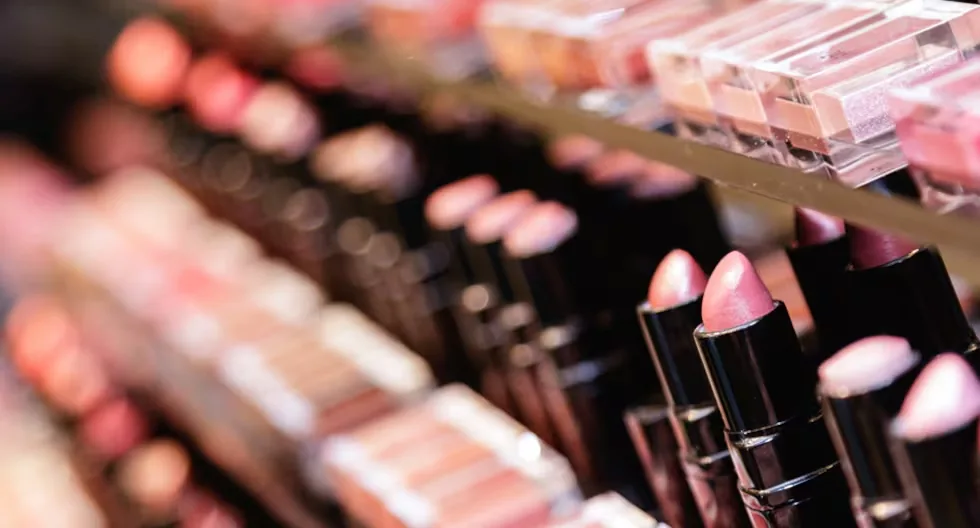
Likewise, perfumery and personal care will continue to position themselves as mid-ticket purchase alternatives, while experiences related to gastronomy and family entertainment would register significant dynamism during the campaign.
YOU CAN ALSO SEE: SBS: Consumer loans grew 8.04% in March
On the other hand, e-commerce will continue to gain prominence, especially in technology categories and planned purchases. However, shopping centers will maintain a relevant role thanks to impulse purchases, the in-person experience, and thematic activations linked to the World Cup.
“Various commercial operators are preparing activities and entertainment spaces oriented towards football with the aim of increasing visitor flow and consumption in restaurants and leisure areas,” she stated.
Expectations for the second half of the year
The Retail Guild considered that the campaign for Father’s Day will be important to consolidate retail performance during the second quarter of the year, in a scenario marked by electoral caution.
Passalacqua explained that in addition to boosting sales and strengthening companies’ cash flows, June will serve as an indicator of consumption expectations for the second half of the year, a period that will also be influenced by the electoral result and by the greater liquidity generated by July bonuses.
“If the impact of the World Cup, promotions, and consumer-oriented commercial strategies are adequately capitalized on, retail could close the second quarter with better prospects for the second half of the year,” concluded Passalacqua.