








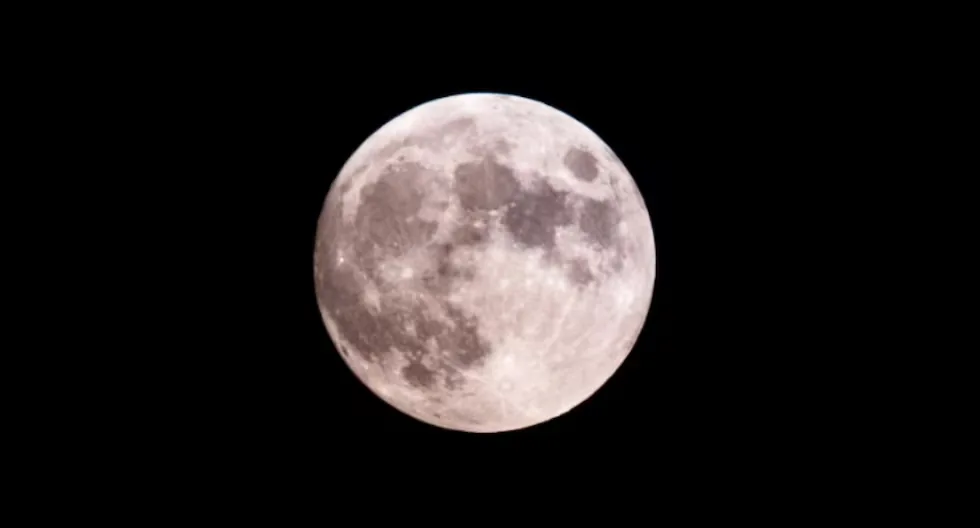
With the start of August 2026, the night sky will once again become the center of attention for thousands of people who closely follow the most important phenomena of the year in the field of astronomy. Among them, the different phases of the Moon stand out as one of the most anticipated events, both by astronomy enthusiasts and by those who enjoy observing the firmament or planning activities based on the lunar cycle. Throughout the month, Earth’s natural satellite will pass through each of its stages, offering unique views that can be appreciated from different regions of the world, provided weather conditions allow. The lunar calendar for August will include the New Moon, the First Quarter, the Full Moon, and the Last Quarter, in addition to the intermediate phases that mark the transition between each of them. These changes are a consequence of the Moon’s movement around the Earth and the way sunlight illuminates its surface from our perspective. Therefore, each phase presents particular characteristics that awaken the interest of observers, photographers, researchers, and space enthusiasts.
Lunar calendar for August 2026: these are the dates you should keep in mind to enjoy these spectacular events
In addition to its appeal for those who enjoy contemplating the night sky, lunar phases continue to arouse interest among photography enthusiasts, gardeners, and others who use the lunar cycle as a reference. Knowing the dates when each change will occur will allow for planning observations and closely following one of the most constant and striking astronomical phenomena of the year. Below, review the complete lunar calendar for August 2026 and the dates of each of its phases.
- Wednesday, August 5: Last Quarter.
- Wednesday, August 12: New Moon.
- Wednesday, August 19: First Quarter.
- Friday, August 28: Full Moon.
Eclipses that will occur in the remainder of 2026
- Total Solar Eclipse (August 12, 2026): The event of the year. It will cross the Arctic, Greenland, Iceland, and Spain. It will be the first total eclipse in Europe in decades.
- Partial Lunar Eclipse (August 28, 2026): Visible in America, Europe, and Africa.
Follow these recommendations to observe the sky
To observe these astronomical phenomena, it is recommended to move away from areas with light pollution and locate yourself in open or rural spaces that allow for better visibility of the sky.
Read more The European Union accuses TikTok of exposing minors to online risks
It is also useful to use astronomy applications such as SkyView or Stellarium to accurately identify the position of the Moon and planets.
In the case of the solar eclipse on August 12, it is essential to use ISO 12312-2 certified glasses to protect your eyesight.
Read more Earthquake in Colombia: magnitude, time, and location reported today, Friday, July 24