


![Alberto Beingolea: “If they insist on not giving [the powers], they are complicating life for Peru”](https://insightermedia.com/wp-content/uploads/2026/09/bb3fa9e11304ea13fe2cd333955007bc-150x150.webp "Alberto Beingolea: “If they insist on not giving [the powers], they are complicating life for Peru”")


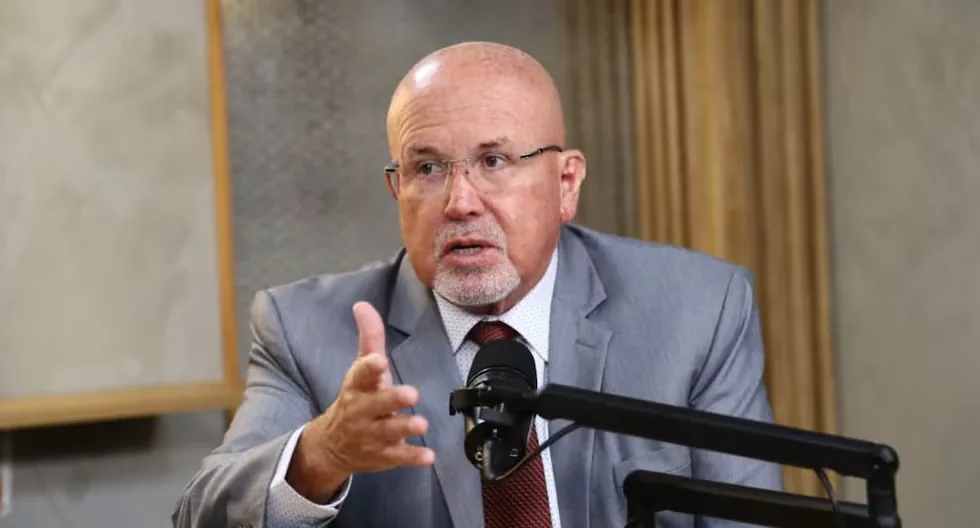
Six candidates for the mayoralty of Lima and their respective parties did not sign the Electoral Ethical Pact promoted by the National Jury of Elections (JNE) ahead of the regional and municipal elections on October 4. Among the absentees are Rafael López Aliaga, from Popular Renewal, and Daniel Urresti, from Podemos Perú.
Read more Cauca Lottery Results, Saturday, August 22: check the winning number of the draw
Also absent from the ceremony on Thursday, August 20 were Luis Miguel Llanos, from Progresemos; Flor de María Hurtado, from Green Democrat; Rubén Bonilla, from Citizen Force; and Elizabeth León, from Hope Front. Added to them is the Perú Libre party, which did not send a representative. That group recently lost its candidate for the mayoralty of Lima due to the resignation of Rubén Ramírez.
The Electoral Ethical Pact is a voluntary commitment promoted by the JNE for political organizations and their candidates to assume rules of conduct during the campaign. These include rejecting violence against those who participate or intervene in the electoral process, respecting electoral propaganda, the property and premises of political opponents, and the obligation to transparently report campaign income and expenses.
López Aliaga also did not sign the pact during the 2022 regional and municipal elections, when he sought to reach the municipal seat for the first time, nor in the 2026 general elections, when he attempted to become President of the Republic.
The secretary general of Popular Renewal, deputy Norma Yarrow, explained her organization’s position to El Comercio. “We did not sign just like last time because Ethics should not require a signature but principles,” she said.
The decision of Popular Renewal occurs in a context where López Aliaga maintains criticisms against the electoral authorities. During the 2022 municipal campaign, he stated that he did not sign the Ethical Pact because “there were many corrupt people, starting with the Jury [National Jury of Elections].”
The discourse of distrust towards the electoral authorities was also present in the last general elections, when López Aliaga ran for President of the Republic. On that occasion, he denounced an alleged electoral fraud, although he did not present conclusive evidence to prove it.
Because the rule prevents the immediate re-election of mayors, López Aliaga cannot run directly for the same position again. Therefore, he was registered as a candidate for lieutenant mayor of Lima. However, shortly after, Luis Rubio, who headed the Popular Renewal ticket for the mayoralty of Lima, resigned from his candidacy.
If López Aliaga ultimately assumes the head of the municipal list and Popular Renewal wins at the polls, he would return to hold the office of mayor.
Meanwhile, until the closing of this note, Podemos Perú did not respond as to why candidate Daniel Urresti nor any of its leaders attended the signing ceremony of the Electoral Ethical Pact.
Candidates who signed
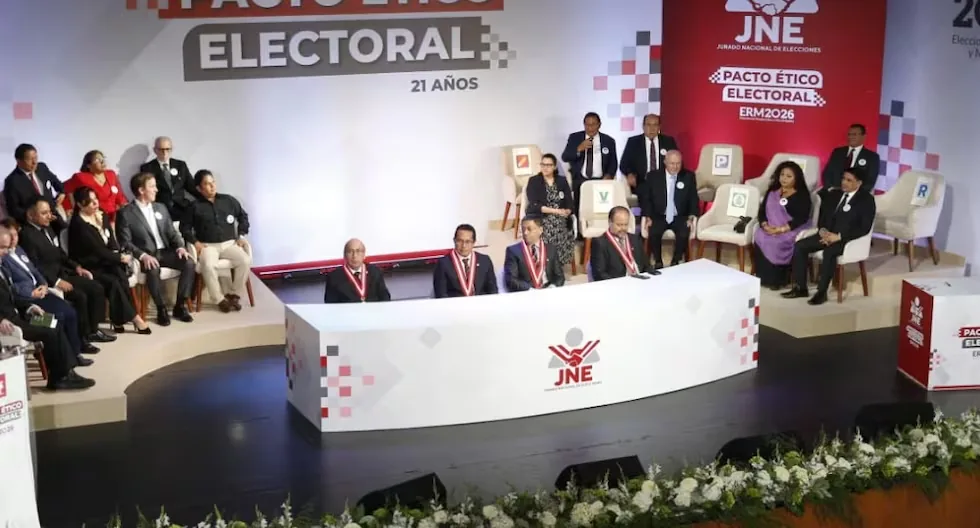
The Ethical Pact ceremony brought together a majority group of candidates for the mayoralty of Lima at the National Library of Peru, in San Borja. Among those who did sign the commitment were Carlos Bruce, from Somos Perú; Francis Allison, from Avanza País; Ricardo Belmont, from the Civic Works Party; Susel Paredes, from Ahora Nación; and Yehude Simon, from the Transformative Green Earth Coalition.
Also participating were Samir Quispe, from Batalla Perú; Oswaldo Vargas, from Together for Peru; Edgardo de Pomar, from the Christian Popular Party; Mónica Yaya, from the Peruvian Aprista Party; Juan Carlos Alvarado, from the Venceremos alliance; Victoria de la Cruz, from the Purple Party; Segundo Valdez, from Frepap; Sandro Caller, from the Patriotic Party of Peru; Luis Huette, from the Conscious People Political Party; and Santiago Rosendo, from Vision Peru.
In addition to the candidates, leaders from Popular Force, Good Government Party, Popular Action, and Alliance for Progress participated, signing the pact on behalf of their groups.
During the ceremony, the president of the JNE, Roberto Burneo, highlighted that the electoral process is not limited to the moment when citizens go to the polls. “It is also built during the campaign, in the way political organizations present their proposals, defend their positions, and relate to their opponents and the public,” he said.
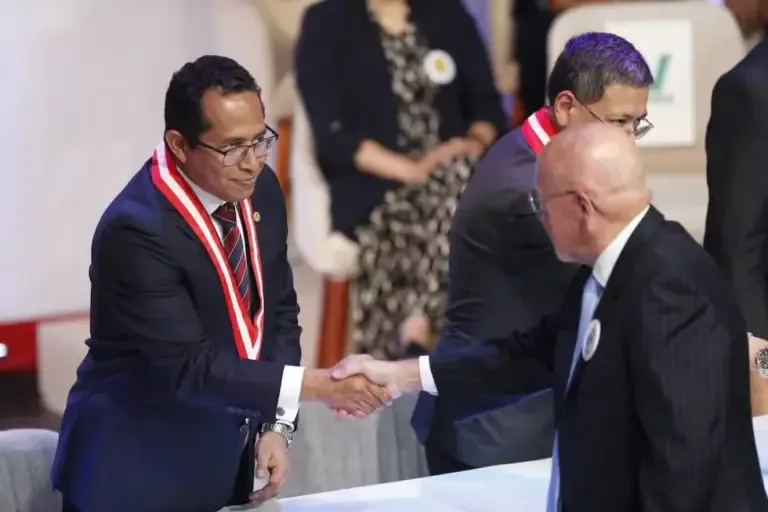
Burneo stated that electoral competition is not alien to political confrontation, “but that confrontation must take place with respect, responsibility, and within the rules we have all agreed upon.”
The head of the JNE emphasized that adherence to the pact is voluntary, but that this does not diminish its importance before the citizens. “The commitments assumed today are voluntary, but they have a very relevant public meaning,” he said.
Read more Payment schedule for August 2026: when will BANCO DE LA NACIÓN VIA deposit to public workers?