




![Alberto Beingolea: “If they insist on not giving [the powers], they are complicating life for Peru”](https://insightermedia.com/wp-content/uploads/2026/09/bb3fa9e11304ea13fe2cd333955007bc-150x150.webp "Alberto Beingolea: “If they insist on not giving [the powers], they are complicating life for Peru”")



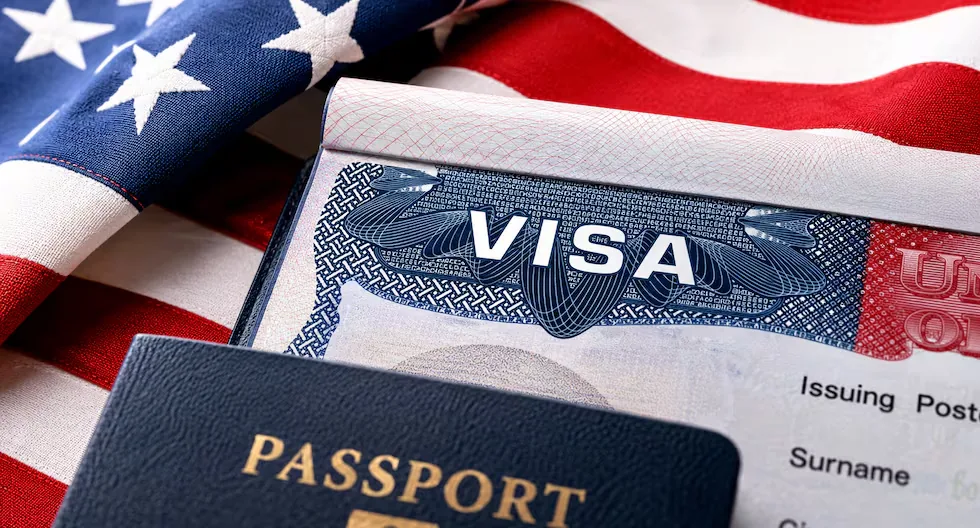
Also, on Wednesday the United States reported that it has temporarily paused appointments to apply for immigrant visas worldwide. The State Department assured that it was to train its consular staff on new procedures.
Read more Wednesday, August 26 Tinka Results
The EFE agency contacted a spokesperson from the State Department, who did not clarify when appointments at embassies and consulates will resume.
The spokesperson added that the training is related to new procedures to ensure that recipients of those visas do not become a burden on public funds and “do not become dependents on U.S. public benefits that qualified Americans need.”
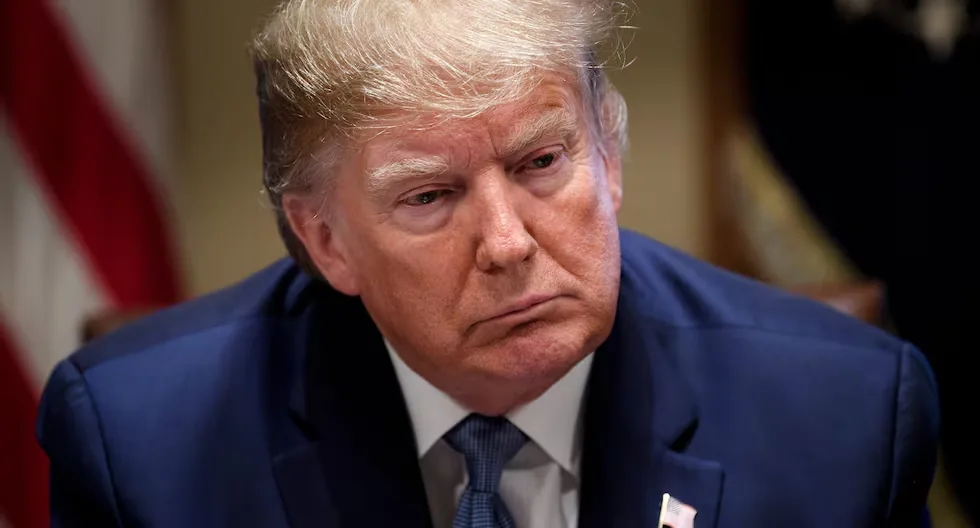
Regarding the plan for B1 and B2 visas, for business and tourism, whose holders later applied for asylum in the United States, this is part of a much broader immigration offensive by the Trump administration.
The State Department reported on August 10 that since Trump’s return to the White House, it had revoked more than 175,000 visas for various reasons, mainly related to crimes, visa condition violations, fraud, or security issues.
But now the new plan would have a much broader scope because it targets a group defined by their subsequent asylum application, not just people accused of crimes.
Also, Trump wants to raise the requirements to obtain the H-1B work visa. The government seeks that employers who use it pay more than $100,000 per year for its renewal.
In an interview with El Comercio, immigration lawyer Ysabel Lonazco, from Lonazco Law, explains what consequences the measure related to B1 and B2 visas may have, what rights affected individuals retain, and in what situations they could be exposed to a deportation process.

— What does it legally mean that the United States revokes a B1 and B2 visa for a person who is already inside the country and has a pending asylum application? What specifically changes for that person?
Before addressing the revocation, it is useful to define what a visa is and who issues it. The Department of State (DOS), headed by Secretary Marco Rubio, is the competent authority to issue them. A visa is a document that allows one to apply for entry into the United States; it does not grant immigration status by itself but enables the person to request admission before an officer. Immigration status is determined at the point of entry by the Customs and Border Protection (CBP) office, an agency under the Department of Homeland Security (DHS). Regarding what changes for a person admitted as a non-immigrant who later applied for asylum, the answer depends on several factors: When was asylum requested? Was the declared activity (tourism, business, etc.) actually carried out? What was declared to the CBP officer upon entry? What happened in the country of origin? When did the alleged persecution occur: before or during the stay in the United States? Was the intention upon entry to request asylum?
If the visa is revoked, the most likely legal consequence is the initiation of a removal or deportation process, with immigration charges such as misrepresentation or overstaying. A person whose I-94 (official entry and exit record issued by CBP) has expired is in violation of immigration law and may be subject to a removal process, in which they retain the right to due process and to present their case before an immigration judge.

Can visa revocation end in deportation, or are they two different immigration processes? Under what circumstances could a person be at risk of being expelled?
Read more La Tinka: results and winner of Wednesday, August 26, 2026
Revocation removes the entry permission and may lead the government to initiate a removal process. This process is different from expedited removal without the right to appear before a judge. With or without visa revocation, an expired I-94 alone subjects the person to a removal process, in which they can present their asylum application before an immigration judge.
The government claims that these people used a tourist or business visa to enter the U.S. and later applied for asylum. Does applying for asylum after entering with a B1-B2 visa itself constitute an immigration violation or fraud?
It is a possible interpretation, but it does not automatically imply fraud. In a removal process, it is up to DHS to prove the grounds for deportation. An expired I-94 may be sufficient for the judge to uphold the charges; however, the charge of misrepresentation requires DHS to prove it with evidence.
What rights does a person whose B1-B2 visa is revoked but who has a pending asylum case before immigration authorities or courts retain?
The right to due process remains intact.
What legal options would a person have who receives a revocation notice and considers the decision unjustified? Can they appeal or challenge it in court?
This depends on the procedure the government follows to issue these revocations. It is foreseeable that litigation will arise in federal courts, depending on the agency issuing them.
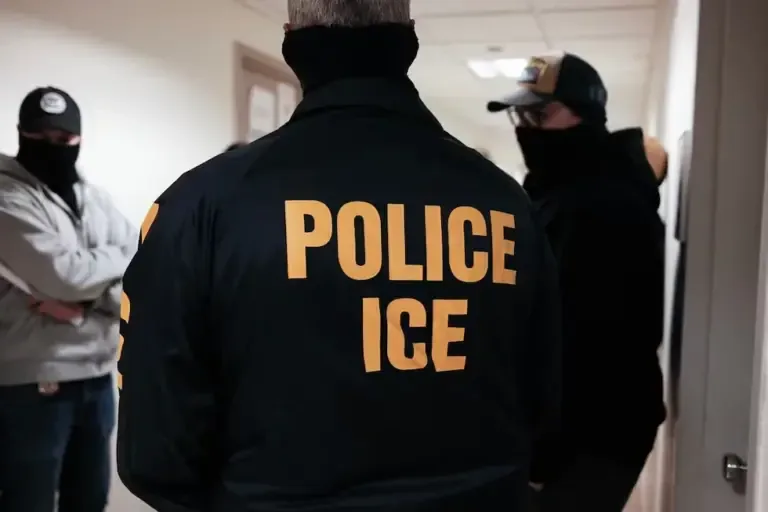
In the specific case of Peruvians, what impact could this measure have? Are there reasons to think that a significant number of Peruvian citizens could be among those affected, and what should those who entered with a B1-B2 and later applied for asylum know?
Any non-U.S. citizen who entered with a visa may be subject to this scrutiny; it is not a measure directed at a particular country but responds to this administration’s priority to combat immigration fraud. Those who applied for asylum after entering with a B1/B2 visa should consult a lawyer to know their options.
For a person who currently has a valid B1-B2 visa and has never applied for asylum, should this measure worry them? What should they do to avoid problems on future trips or in a possible visa renewal?
Yes, it is a relevant issue. At U.S. embassies, officers already include questions about asylum when issuing B1/B2 visas. It is recommended to travel with evidence of ties to the country of residence: employer letter, utility bills, vehicle or home ownership title, among others. It is worth remembering that, beyond the Department of State issuing the visa, CBP retains the authority to deny entry.
Read more Earthquake in Peru today, Tuesday, August 25: what was the epicenter according to the IGP report