




![Alberto Beingolea: “If they insist on not giving [the powers], they are complicating life for Peru”](https://insightermedia.com/wp-content/uploads/2026/09/bb3fa9e11304ea13fe2cd333955007bc-150x150.webp "Alberto Beingolea: “If they insist on not giving [the powers], they are complicating life for Peru”")



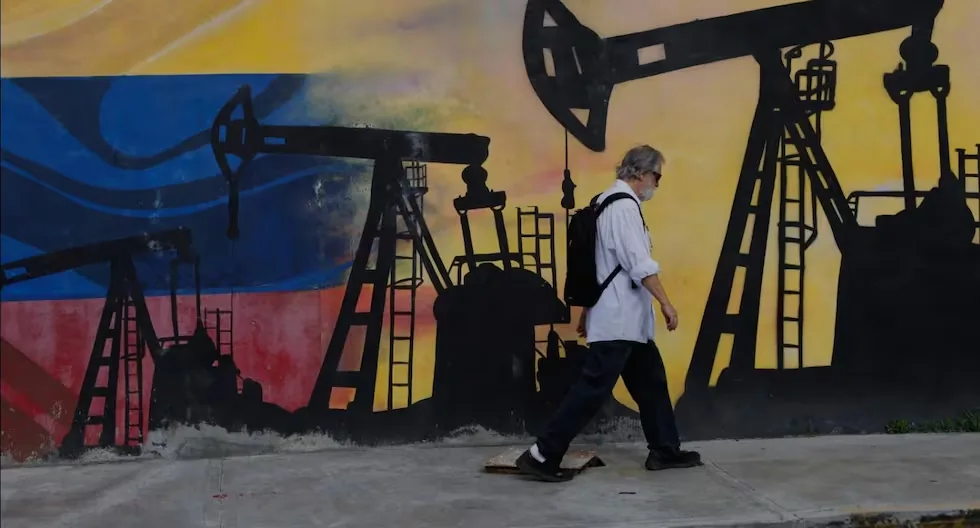
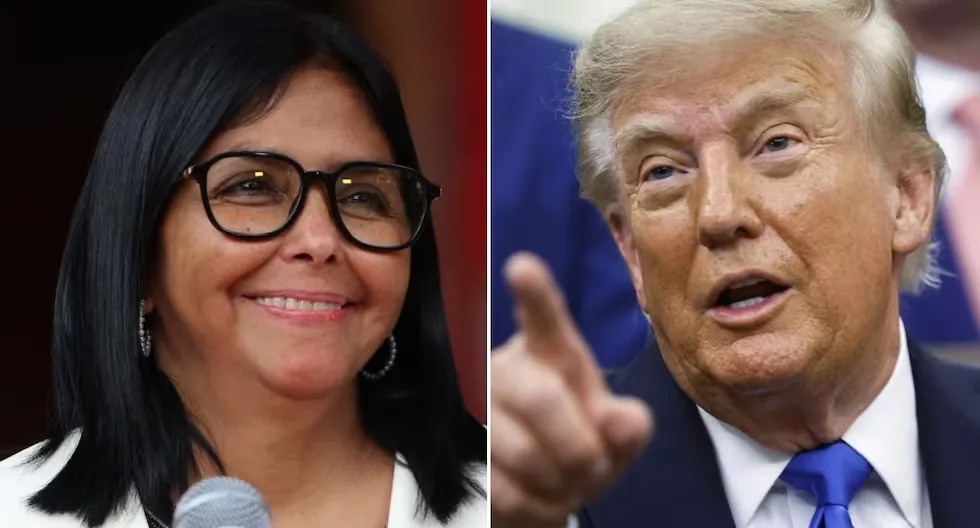
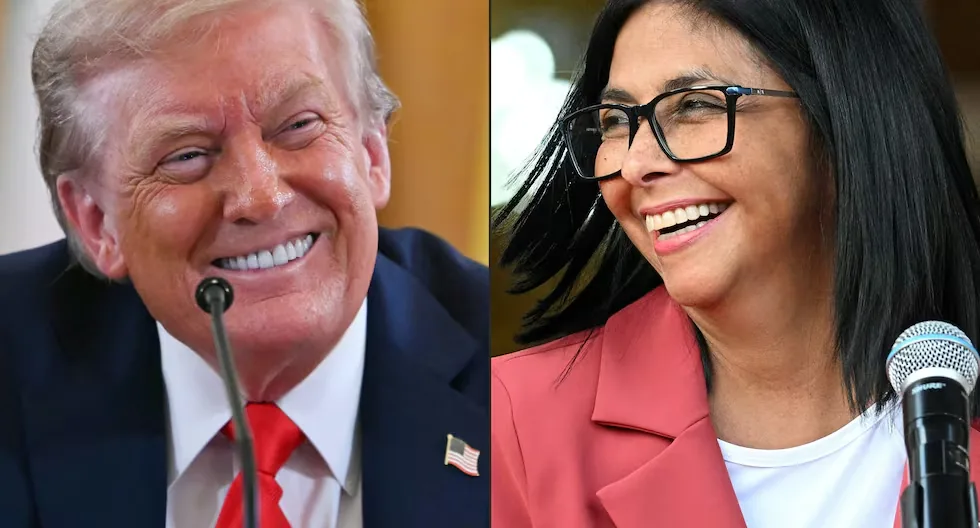
The oil agreement between Venezuela and the United States, announced on Friday by presidents Donald Trump and Delcy Rodríguez, raises the possibility of injecting billions of dollars to recover a strategic industry, increase production, and take advantage of the Caribbean country’s enormous reserves. But the magnitude of the committed figures also raises questions about how much capital will actually arrive, in what timeframes, and under what conditions it will be executed.
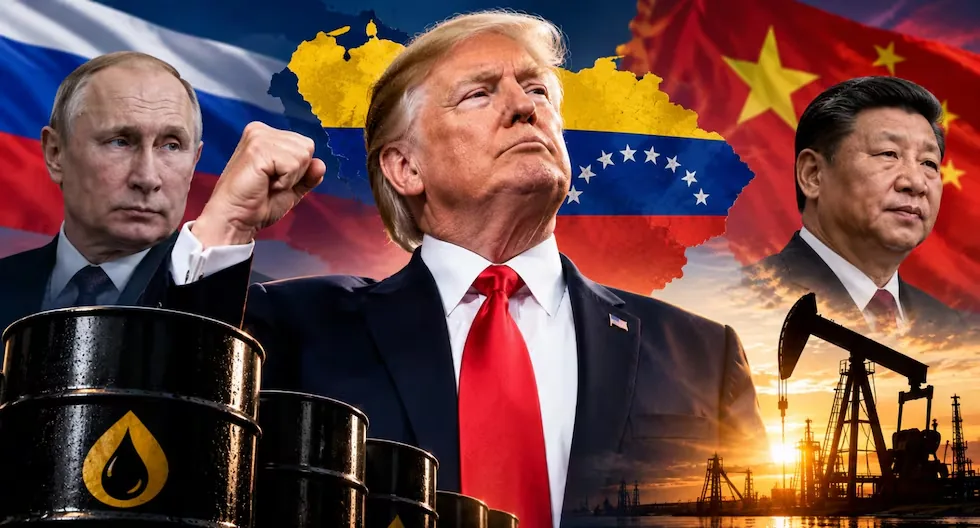
When announcing the news, Trump spoke of the “largest oil agreement in world history.” He detailed that the United States will have majority control of 17 fields that hold more than 65 billion barrels of proven reserves of Venezuelan crude. That figure represents 21.5% of Venezuela’s total reserves.
With that amount of oil, the United States aims to double its strategic reserves, currently diminished due to the war in Iran.
For her part, Rodríguez specified that the agreement has an initial duration of 25 years. She also stated that thanks to the pact Venezuela will attract investments of more than 100 billion dollars and approximately 209.3 billion dollars in revenue will be generated for the country from taxes and royalties.

El Comercio spoke with Venezuelan economist and business consultant Asdrúbal Oliveros about the scope of the agreement and the factors that will determine whether Venezuela manages to turn its oil resources into a sustainable recovery of its devastated economy.
To begin with, Oliveros considered that the figure of more than US$100 billion in investments should be interpreted with caution, as it does not necessarily correspond to investments already committed or that will be executed immediately.
“More than an investment to be executed immediately, we are talking about an estimate of the volume of resources that could be required to recover an oil industry with decades of accumulated deterioration,” he explained.

Oliveros pointed out that the agreement can be relevant because it opens up for Venezuela the possibility of recovering sustained access to capital, technology, specialized services, and international markets. He indicated that if the scheme allows significant participation of private companies and offers an attractive contractual structure, the country could begin an important process of field rehabilitation, infrastructure recovery, and production increase.
However, he warned that the recovery of the Venezuelan oil industry will be a long-term process. “Venezuela has extraordinary reserves, but turning reserves into commercial production requires investment, infrastructure, and time,” he stated.
According to the economist, some fields could register relatively rapid increases through the recovery of existing wells, but bringing Venezuelan production back to several million barrels per day would require several years and probably more than a decade.
Therefore, Oliveros recommended not focusing solely on the figure of US$100 billion, but observing three factors: how much capital is really committed, under what legal and economic conditions the investment will be made, and what the execution schedule will be. “That is where we can measure the true depth of the agreement,” he pointed out.
Read more Police shoots a woman in Times Square who seriously stabbed two people | VIDEO
A historic opportunity, but conditional

Oliveros considered that Venezuela faces a “historic opportunity,” although its exploitation will depend on the country’s ability to build institutions and rules that allow sustaining investments over the coming decades.
“Few economies have the possibility of attracting such a volume of investment to a sector where there is already such a large resource base,” he stated.
He added that a recovery of oil capacity could have a significant impact on exports, fiscal revenues, employment, infrastructure, and private activity.
But he warned that oil alone does not guarantee economic transformation. He recalled that Venezuela already received enormous oil revenues in the past and that did not prevent institutional deterioration nor the subsequent crisis.
“The lesson is precisely that having natural resources does not replace strong institutions,” he maintained.
For the new investment cycle to be sustainable, he indicated that Venezuela will need stable rules, respect for contracts, legal security, transparent dispute resolution mechanisms, a competitive tax regime, and an institutional architecture that limits political discretion.
Oliveros emphasized that oil investments of this magnitude have horizons of 20, 30, or even 40 years, so investors cannot make decisions of that scope based solely on the current oil price or a temporary political agreement.
He maintained that the real opportunity for Venezuela is not simply to produce more oil, but to take advantage of this new cycle to rebuild the sector’s institutional framework and avoid repeating an economic model excessively dependent on oil rents.
“Success will not be measured solely by how many additional barrels Venezuela produces, but by whether those resources help build a more stable, productive, diversified economy capable of generating well-being beyond oil,” he concluded.
Read more The dollar closes at S/3.37 amid higher local demand and tension in global markets