




![Alberto Beingolea: “If they insist on not giving [the powers], they are complicating life for Peru”](https://insightermedia.com/wp-content/uploads/2026/09/bb3fa9e11304ea13fe2cd333955007bc-150x150.webp "Alberto Beingolea: “If they insist on not giving [the powers], they are complicating life for Peru”")


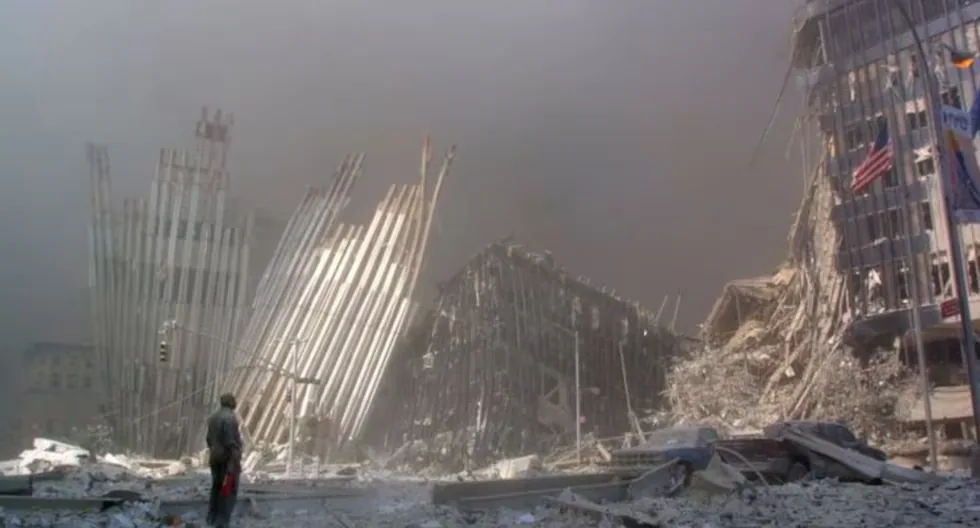
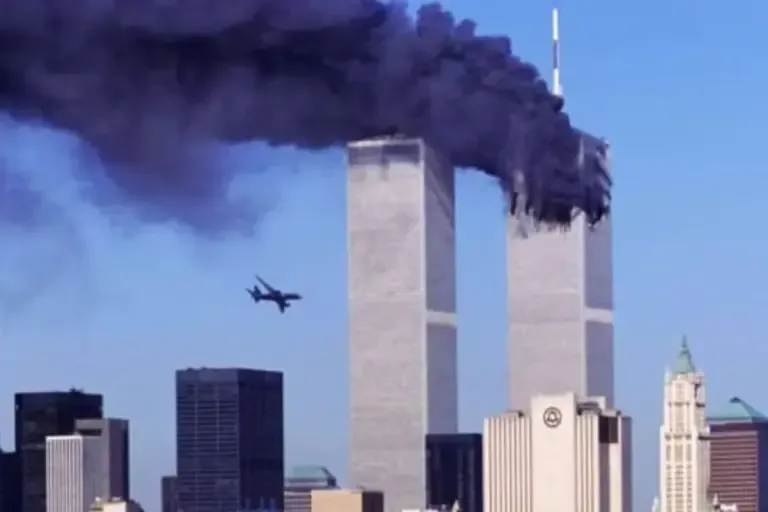
The attacks of September 11, 2001 left 2,753 dead in New York and a permanent wound in humanity, which watched in horror the collapse of two skyscrapers after the impact of planes hijacked by terrorists and the subsequent fires. In the 25 years that have passed, the city’s medical examiner’s office has analyzed over and over the tiny fragments of bones and other human remains found at the World Trade Center’s ground zero and has managed to identify 1,654 of the victims. No physical trace has been found of approximately 1,100, about 40% of those who lost their lives.
Read more Velvet, Joel Chirinos’ bar that goes beyond the ‘speakeasy’ cliché
Although the list of missing persons is still large, technological advances and the development of forensic genetics have allowed several of the deceased to be named in recent years. The last time was August 24. Mayor Zohran Mamdani and the Chief Medical Examiner’s Office (OCME) said that the person identified, the first in almost 12 months, is an adult woman, whose name is kept confidential at the request of her family.
The case is particularly important because it is the first 9/11 victim identified through the innovative investigative forensic genetic genealogy (FIGG) technique. The newspaper “The New York Times” explains that this tool combines DNA analysis with investigative work by the Police Department, whose agents delved into the deceased’s family tree.
In August 2025, three other people were identified thanks to DNA tests much more sophisticated than those available 25 years ago. The families of Ryan D. Fitzgerald, a 26-year-old currency trader, and Barbara A. Keating, a 72-year-old retired executive of a nonprofit organization, authorized their names to be made public.
Very complex task
The remains collected at the World Trade Center that have not been identified are fragmented and deteriorated to the maximum because they were exposed to extreme heat from the fire, the fuel of the planes used in the attacks, bacteria, and the passage of time. All this makes it difficult to take samples and analyze DNA.
Luis Morán Yáñez, president of the National Commission on Disaster Risk Management of the College of Engineers of Peru, recalls that the collapse of the towers meant the fall of a structure of more than 100 floors, which caused a mass of concrete and steel to form a mountain of rubble where the occupants were trapped.
“One of the big problems was that in the midst of that there were large fires and explosions. More than a thousand people still have not been identified because their bodies were shattered. The forensic work has been meticulous, almost like archaeology, to be able to find fragments of the buried bodies. The forensic experts continue working with the remains they have been able to rescue and that science still does not allow them to identify,” the expert, who is also a professor at UNMSM, tells El Comercio.
Although much more powerful techniques have been developed in the last 25 years that allow DNA to be reconstructed—including a new method in which the victims’ bone remains are pulverized—and the field of forensic genealogy has grown, the specialist adds that many remains may never be identified since much of the material that could be analyzed was discarded at the time without samples being taken.
Among the missing are also firefighters and other actors who responded to the emergency. Engineer Gastón Palacios Moreno, a master’s expert in disaster risk management, highlights that for rescuers there was a before and after 9/11.
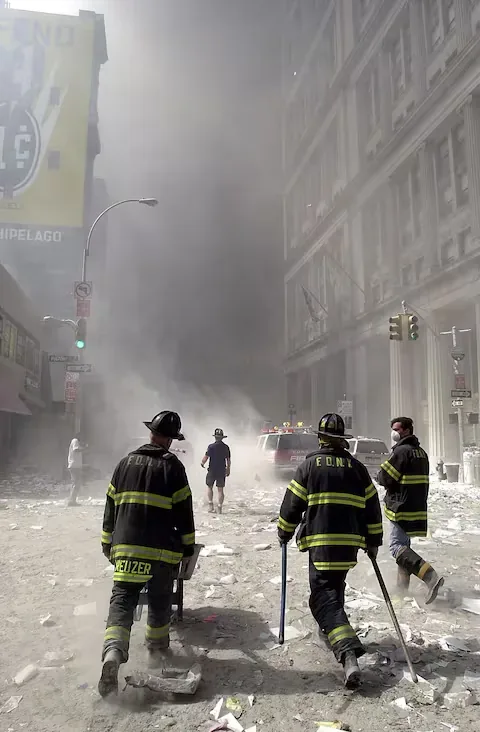
“This attack was a great challenge for the international community of rescuers. Obviously, there were procedures, protocols, certified and accredited personnel, but many rescuers lost their lives because, due to the structural volume and conditions present after the attack, the issue of supervision to ensure that the necessary safety measures were taken to carry out search and rescue work in the hot zone was not valued. We must not forget that when a rescuer enters a hot zone, they become a potential victim,” he tells this newspaper.
While the world still tries to understand the enormous attack, many trust that advances in science will reduce the number of victims considered missing. It is not only about naming them but giving them the dignified farewell they deserve.