




![Alberto Beingolea: “If they insist on not giving [the powers], they are complicating life for Peru”](https://insightermedia.com/wp-content/uploads/2026/09/bb3fa9e11304ea13fe2cd333955007bc-150x150.webp "Alberto Beingolea: “If they insist on not giving [the powers], they are complicating life for Peru”")


Tourism in Peru does not have a supply problem, but a management problem. We have a millenary history, abundant nature, a very high-quality service, and world-renowned gastronomy. However, as an industry, we are still lagging about 30% behind our pre-pandemic levels, while countries like Chile, Brazil, or Colombia have already surpassed them. That is, other markets in the region are growing steadily and have already surpassed historical records.
Read more “Iran knows that Donald Trump is desperate to end this war”
What are our neighbors doing better? First, predictability for the operator and the traveler. The best-managed destinations operate with clear and stable rules, so that the private operator can plan investments and the tourist can book in advance and with certainty. This predictability is the foundation on which the reputation of a destination is built.
Second, strategic diversification. The countries leading the recovery do not depend on a single icon. They have developed complementary circuits, invested in decentralized infrastructure, and promoted emerging destinations with a long-term vision. Peru has that wealth (destinations with enormous potential that today do not receive the attention or investment they deserve), but it is not taking advantage of it decisively and strategically.
Tourism is the fourth largest foreign exchange earner in the country. It generates more direct and indirect employment than other extractive industries, coexists harmoniously with indigenous cultures and the environment, and can be a real engine of social development for the regions. Peru is in the lower middle part of the ranking in tourist reception in South America, below Colombia and Chile. The gap between what we are and what we could be is enormous, and it is waiting to be closed.
The next government will inherit a sector with latent demand, with private operators who have shown resilience, and with a destination the world still wants to know. What it must bring is what has been missing so far: an entity with real authority over the comprehensive and long-term management of destinations, an agenda of digitalization, transparency, and simplification of processes, and a sustained commitment to the diversification of circuits.
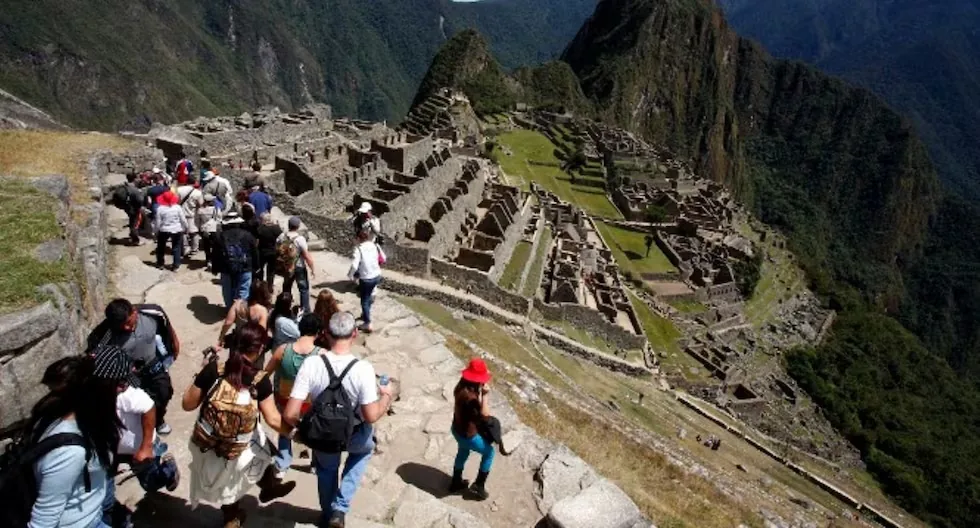
The case of Machu Picchu is an example of what happens when decisions are made without an overall vision. In 2022 it was decided that 20% of tickets be sold exclusively in person for a visit the next day, creating a false sense of fairness. Today, instead of maintaining a single inventory and digitalizing 100% of that sale to strengthen clarity, it has been extended up to three days, creating confusion among passengers. These small setbacks accumulate a bigger message: Peru has not yet fully decided that tourism is a priority. More order does not mean less tourism, but better tourism, and the time to organize is now.
Read more La Tinka LIVE Wednesday, June 3: what time the draw starts and what is the million-dollar jackpot