








The political recess that began on June 7, when the electorate went to the polls, is coming to an end. With the new Executive and Legislative branches installed, we should enter the second political half of the year, which is more loaded than one might think.
The intensity of the electoral campaign, between January and June, seemed to project a somewhat calmer second half. Thus, the new authorities would focus on addressing urgent needs, rather than being distracted by political ups and downs. However, this will not be the case.
For now, it is important to remember where we come from: a lost decade, a severe deterioration of political capital in the full sense of the term, brief presidencies dependent on the Legislative branch, weak bureaucracies prone to political favors, indolent political actors either profiting from power or defending themselves from judicial attacks, justified or not. Certainly, there are exceptions, but they are few.
Thus, it is not surprising that the recent electoral process was mostly governed by rules that made no sense. Nor was it surprising that the electoral authorities found solutions to their own blunders with responses that worsened the situation, such as the criminal complaint filed on the same day as the first round or, more recently, with the decision that freed Rafael López Aliaga from assuming a responsibility for which he voluntarily ran.
Finally, and to top it all off, the results of the runoff had to wait several moons to be confirmed. Thus, while one candidate proclaimed victory, many people, with numerical skills, provided information seeking to bring clarity to those who had to transmit it.
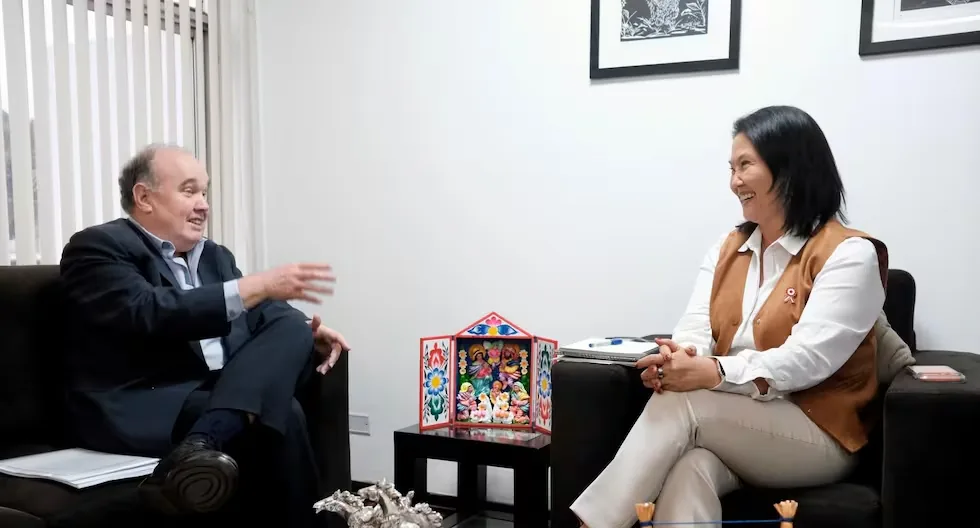
Leaving all this behind and taking advantage of this brief recess, the president-elect, Keiko Fujimori, has held numerous meetings to help her shape a Cabinet. The marked secrecy characterizing this diligence is striking. However, this has not prevented the identification of some of its members.
On some fronts, the identity of the presumed appointees has prolonged the relief that Fujimori’s election brought. Faced with the difficult recent past, optimism seems justified.
But the challenges are particularly demanding. If, as we know, the bulk of the new Executive’s experience comes from congressional spheres, the ruling party will have to learn to ask for help, something already seen in the reinforcements called upon, or learn through trial and error, which could take several months in an already adverse situation.
In any case, the only certainty is that the country will have to face a series of challenges in various areas: economy, security, climate, geopolitics, etc., and that the pendulum prospective that sees the immediate future between a return to authoritarianism and institutional co-optation, and the re-edition of a truncated “luxury government,” will be of little use. In any case, we need today’s secrecy to translate into results tomorrow.
Read more Why this World Cup catapulted the value of football to another level