


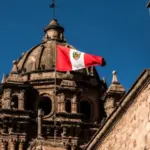





The atmosphere in the request for powers: reasons to be alert

The atmosphere in the request for powers: reasons to be alert

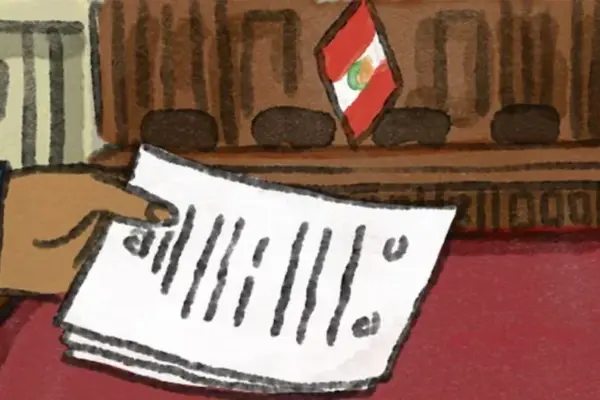
The Executive has requested Congress to delegate powers to legislate on a wide variety of matters. Although the request has been made in general terms, the statement of reasons reveals the underlying objectives and raises alarms about possible impacts on the environment, natural resources, and the rights of indigenous peoples. The text of the bill cannot be read in isolation. It is the statement of reasons that explains what the Executive really intends to legislate with each power it requests, and it is what will later serve as a reference to verify whether the legislative decrees remained within what Congress authorized.

Read More
How Ukraine managed to attack St. Petersburg, one of Russia's most protected cities, and defy Putin

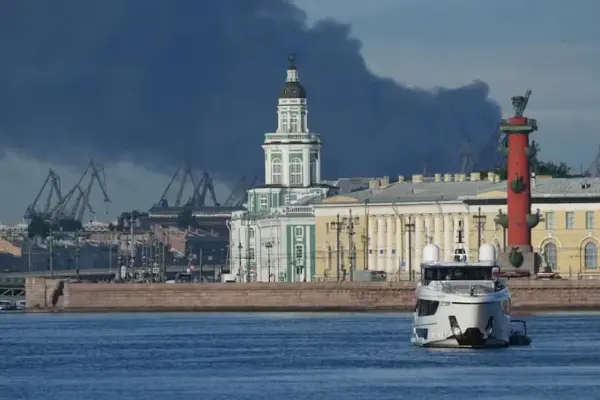
How Ukraine managed to attack St. Petersburg, one of Russia’s most protected cities, and defy Putin

While Vladimir Putin sought to project economic stability before international partners and investors, Ukraine launched an offensive against strategic facilities in St. Petersburg. For analyst Andrés Gómez de la Torre, the objective was to combine the military impact with a political and psychological message: to show that “the war can even reach the spaces that the Kremlin uses to exhibit strength and normality.”

Read More
Why are deaths increasing in ICE operations? The pressure to detain 2,000 migrants a day under scrutiny

Why are deaths increasing in ICE operations? The pressure to detain 2,000 migrants a day under scrutiny

The deaths of a Mexican in Texas and a Colombian in Maine from ICE agents’ gunfire, as well as that of another Mexican citizen who died after being run over while fleeing a raid in Florida, have reignited the debate over the use of force in Donald Trump’s immigration policy. Immigration lawyer Ysabel Lonazco argues that, although it is still premature to talk about a pattern, the coincidence of these cases demands independent investigations to determine if there is a systemic problem

Read More