




![Alberto Beingolea: “If they insist on not giving [the powers], they are complicating life for Peru”](https://insightermedia.com/wp-content/uploads/2026/09/bb3fa9e11304ea13fe2cd333955007bc-150x150.webp "Alberto Beingolea: “If they insist on not giving [the powers], they are complicating life for Peru”")



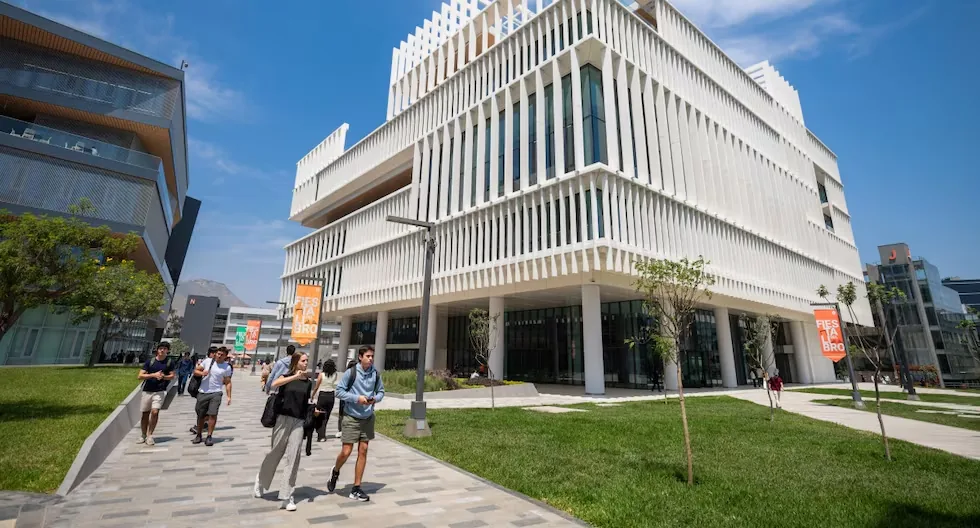
There can be much debate about the place libraries occupy today in a world where books are no longer always attractive to many young people. But if there is one space where reading remains a fundamental and indispensable activity, it is the university. That is why libraries often occupy the heart of campuses. Those who were students at the University of Lima must fondly remember its old library, located between the Communication and Law faculties. The four-story building was the nerve center where people went to read, review notes, or meet with classmates to prepare group projects, occupying any available table.
SEE: San Bartolo: the century-old families and new neighbors who left Lima to find the perfect refuge by the sea
For decades that ritual changed little. There were generations who searched for books in card catalogs and others who entered their searches on green screen monitors, later replaced by computers. Essentially, the library remained a quiet place dedicated to individual study. Today, however, these spaces respond to a different idea of learning. The model known as ‘learning commons’ recognizes that much of university knowledge is built through interaction, discussing, researching in teams, or developing collective projects. Contemporary libraries are designed to facilitate that exchange.
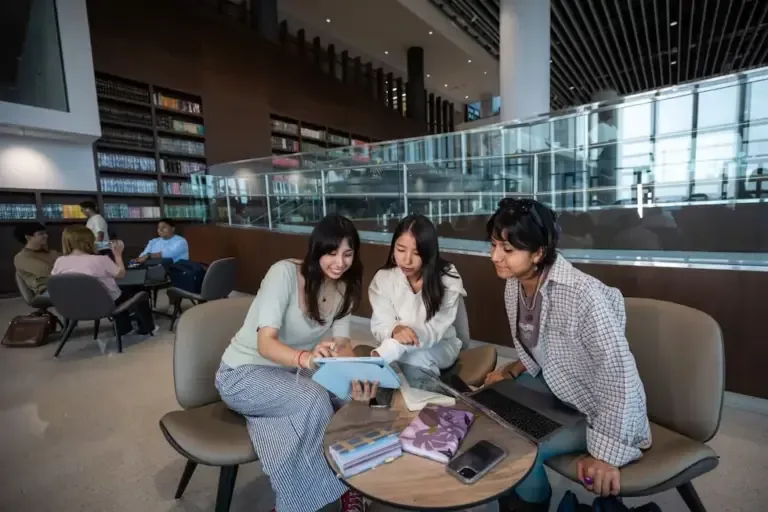
This is how the University of Lima is currently presenting its new library on campus. Named “Antonio Pinilla” after its founder and first rector, it is a seven-story building with nearly 18,000 square meters designed as an active learning space. Unlike the traditional library, the building combines silent reading areas with many group work rooms, discussion spaces, and environments designed for academic research. The architecture itself responds to the idea that the library, more than a book repository, is a place where ideas are generated and shared.
On the upper levels, however, the classic spirit of the university library is maintained. There are open shelves that allow students to browse the collections directly and select the titles they need. The lending system is completely digital and coexists with an offering of electronic resources and academic databases.

The new library is also part of a broader vision of the campus. According to rector Patricia Stuart, the idea is for the university to function as a space where academic life is not limited to the classroom. “We want a campus where the student not only comes to study and then goes home,” she explains. “The idea is that here they can create relationships, work together, and develop projects.” This approach also responds to how university life is experienced today. “Many students spend the whole day on campus,” Stuart notes. “That is why it must be a place where the student wants to stay.”
Stuart’s background partly explains this vision. An economist by training, she is the first graduate of the university to become rector. Her academic career began as head of internships in the Faculty of Economics and, over time, she held various positions within the institution: academic coordinator, program director, academic secretary, dean, and later vice-rector. During that journey, she worked with Dr. Ilse Wisotzki, the first woman to hold the rector position at a university in the country. “She was a woman with a very strong temperament and a lot of drive,” she recalls. At a time when university authorities were mostly men, Stuart adds, Wisotzki was often “the only woman in many meetings,” an experience that, according to Stuart, served as an example of what it means to lead a university.
Education for all
For years the university has carried the perception of being an institution reserved for affluent sectors. Stuart maintains that this profile has changed over time and that today the students reflect a more diverse social composition. “70% of our student body is in the last payment category, so this is no longer a university that serves an economic elite, but rather an academic and intellectual elite,” she states. In that vein, the University of Lima has promoted various scholarship programs aimed at high-performing students from public schools.
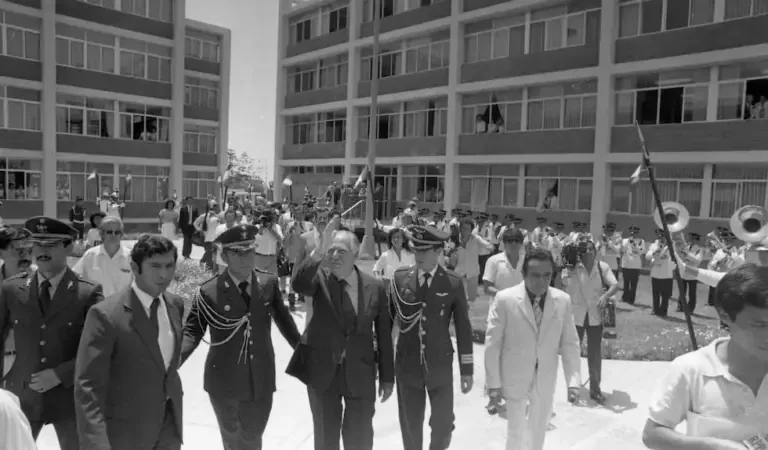
One of them is the Ilse Wisotzki Scholarship, created for outstanding students who have completed all their basic education in national schools. The program offers full coverage throughout the entire degree. So far, three calls have been made, between 2024 and 2026, with 32 beneficiaries. Twenty-two of them come from Lima and ten from different regions of the country, and a significant portion studied at high-performance schools (COAR).
Beyond its new library and campus expansion plans, the university reminds that the main investment of a non-profit institution remains the education of its students. Ultimately, the academic prestige of the institution rests on them. //
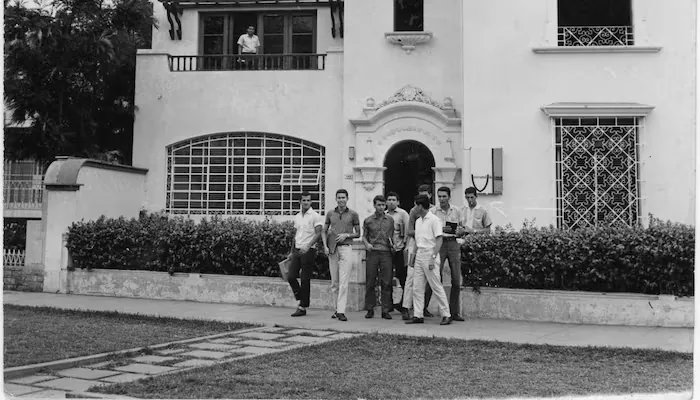
The University of Lima was founded in the early 1960s by a group of university professors and representatives from commerce and industry gathered in the Civil Association Prodies. The institution began its activities with 120 students and two faculties in a location on Nazca Street, in Jesús María. In 1966 it moved to Santiago de Surco, where it inaugurated the Monterrico campus on land that today constitutes its main headquarters.
Read more T’aqrachullo: Why did this gigantic completo remain off the radar for so long?
- Natalia Lafourcade returns to Peru in her most intimate stage: “There is no longer room for what is not relevant”
- Rodrigo Fernandini opens his first restaurant in Lima: “I have trained my whole life for this”
- Achieve the perfect cut with the new knife collection from El Comercio and chef Pisu
- These are the best sandwich shops in Lima to enjoy in 2026
- The oldest trees in Lima: meet our century-old ‘neighbors’ who beautify and provide shade in the city