





![Alberto Beingolea: “If they insist on not giving [the powers], they are complicating life for Peru”](https://insightermedia.com/wp-content/uploads/2026/09/bb3fa9e11304ea13fe2cd333955007bc-150x150.webp "Alberto Beingolea: “If they insist on not giving [the powers], they are complicating life for Peru”")


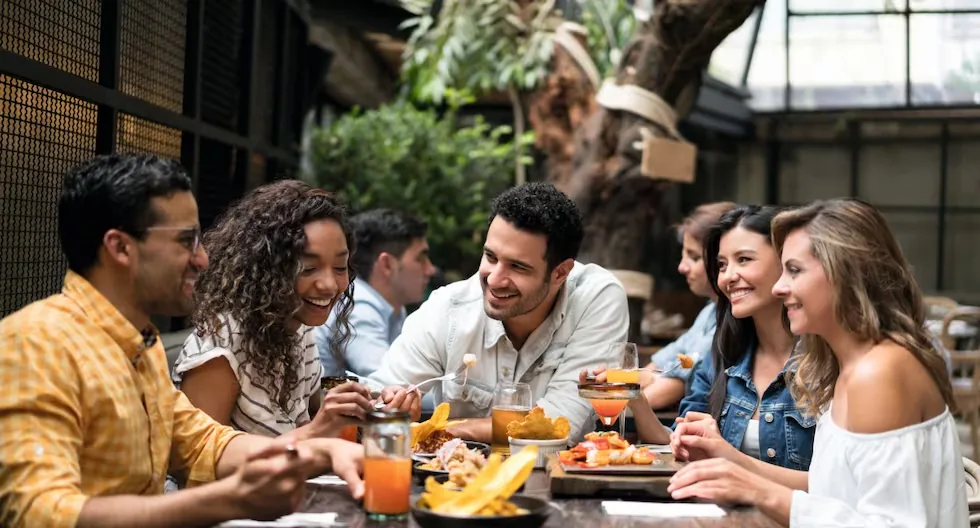
We live in a country where eating is much more than just nourishing ourselves. It is culture, celebration, after-dinner conversation, gathering, and, let’s be honest, one of our favorite activities. And as part of the Somos Awards, where we celebrate the best of our gastronomy, it is a good occasion to remember something: enjoying a good meal and taking care of your health are not opposing concepts. Often it is believed that you have to choose one or the other. But in reality, the key is learning to enjoy in balance, without feeling guilty or ending the night with that heaviness. And that starts even before arriving at the restaurant.
LOOK: Why the next great culinary destination in South America is in Quito and what Peru has to do with its flourishing gastronomic scene
One of the most common mistakes is “saving calories.” You know you have a big dinner and decide to have a small breakfast, skip lunch, and arrive hungry at the level of “I would even eat the napkin.” Bad strategy. Arriving extremely hungry makes it harder to eat slowly, choose consciously, and recognize the signals of satiety.
Now comes the part of choosing, and perhaps the most important part: eat what you really want to eat. If you want to try the bread, try it. And if that dessert is part of the experience, enjoy it. A healthy relationship with food is not about constantly looking for the lowest-calorie option, but about being able to choose without fear and also knowing when it’s enough.
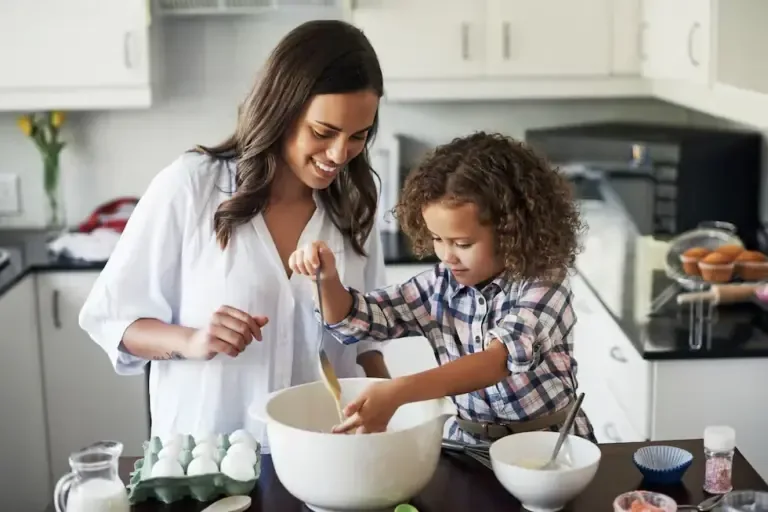
Another point to consider is the speed at which you eat. Satiety is not instant: the intestine and brain need time to communicate. Eating more slowly, chewing, and taking breaks between dishes is a win all around: it helps recognize when we are satisfied, facilitates digestive work, and allows you to truly enjoy what you are eating.
Read more Earthquake in Colombia today, Saturday, August 15: magnitude and epicenter of the latest tremor
And alcohol? It can also be part of the experience, but the dose matters. Drinking with food, doing it slowly, and alternating drinks with water helps moderate consumption and maintain better hydration.
What happens the next day? No punishments. You don’t need to fast, do two hours of cardio, or live on green juices to “compensate.” Return to your routine: hydrate, consume nutritious foods, include fruits and vegetables, move a little, and listen to your hunger. One meal does not define your health, just as a salad does not build it.
Remember that gastronomy is also part of well-being. Eating is nutrition, but also pleasure, culture, connection, and memories. So enjoy that restaurant. Try that dish. Share the dessert if you want. Eat calmly and listen to when your body tells you it is satisfied. //
Read more Paolo Guerrero reports hacking of his social networks: “We have identified those responsible”
- Nutrition in women: what changes, what matters, and what they don’t always tell us
- The vagus nerve: the player that regulates your stress, digestion, and energy
- Your intestine has memory: what childhood left in your digestive health
- Eating healthy, but living stressed: the modern contradiction
- It’s not lack of willpower, it could be lack of iron