







As part of the purchase process, the German company agreed to sell its operations in 14 countries—among them Spain, Chile, Ecuador, Portugal, and Sweden—to the US fund SSW Partners for an amount around US$1.6 billion. Why these countries?
Read more Earthquake in Venezuela: magnitude, time, and location of today’s latest tremor, Monday, July 27
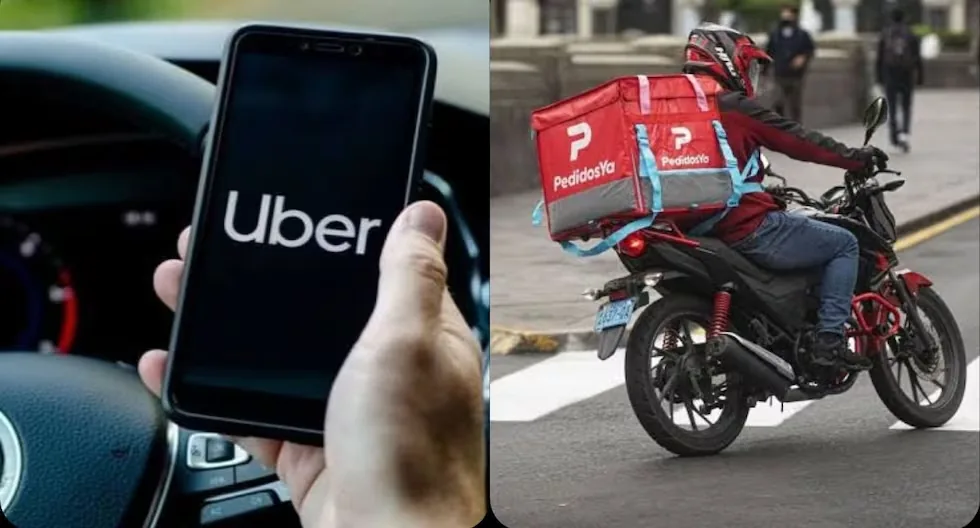
Let us remember that Uber also has its own delivery platform Uber Eats in some markets, so this measure will be applied in those where Delivery Hero and Uber Eats operations overlap. PedidosYa, from Delivery Hero, currently has a presence in the region in Argentina, Bolivia, Costa Rica, El Salvador, Guatemala, Honduras, Nicaragua, Panama, Paraguay, Peru, the Dominican Republic, Uruguay, and Venezuela, and will remain within the business that Uber will acquire.
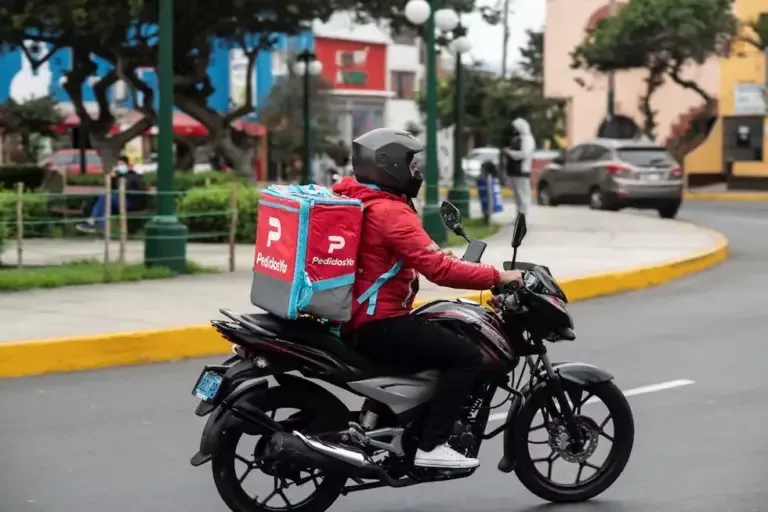
Although the delivery company will sell some of its businesses as part of the process to obtain regulatory approvals, our country is not among them. Will there be effects of this operation on the Peruvian market? Well, the first effect will be the change of ownership of PedidosYa, whose parent company today is Delivery Hero.
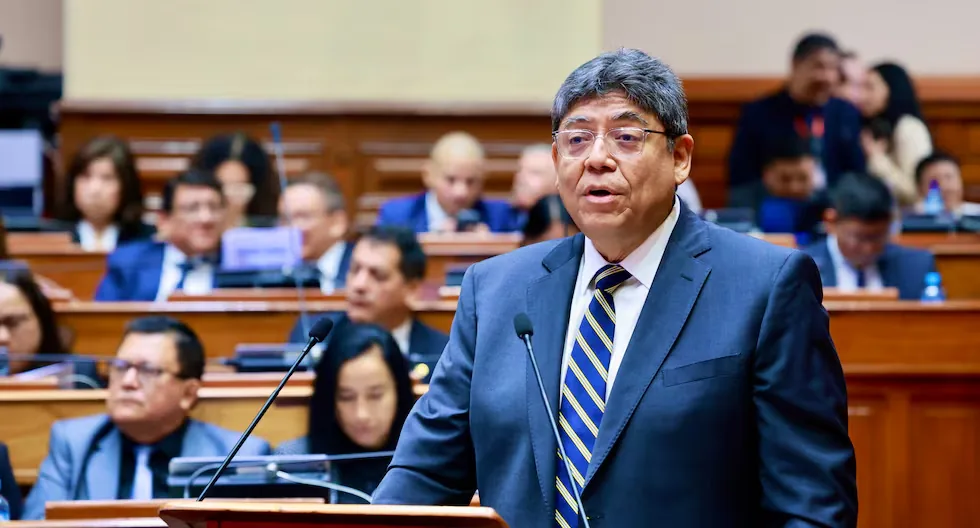
“Peru is within the perimeter that Uber acquires; the change of control will take effect upon closing (targeted for the second half of 2027). PedidosYa — with operations in Peru and 12 other markets in the region — remains within the asset package that will pass to Uber; it is not among the 14 markets divested to SSW Partners (unlike Chile and Ecuador).”, explains Bruno Botteri, specialist in Mergers and Acquisitions Management at Pacífico Business School and Principal Partner M&A & Deal Advisory,
Until closing, he adds, PedidosYa must operate independently (‘business as usual’): no changes announced for users, merchants, affiliates, or couriers in the short term. This is because effective control — brand, prices, investments, team — only transfers once regulatory approvals are obtained and the tender offer is settled.
The triumphant return of delivery for Uber in Peru?
Uber Eats is a familiar name to the Peruvian market, as it had a brief presence in Peru from 2018. In June 2020, they withdrew from the country due to the pandemic and intense competition against Rappi and PedidosYa. The combination of both factors made their operation unsustainable in that context. However, Uber did maintain and strengthen its mobility business.
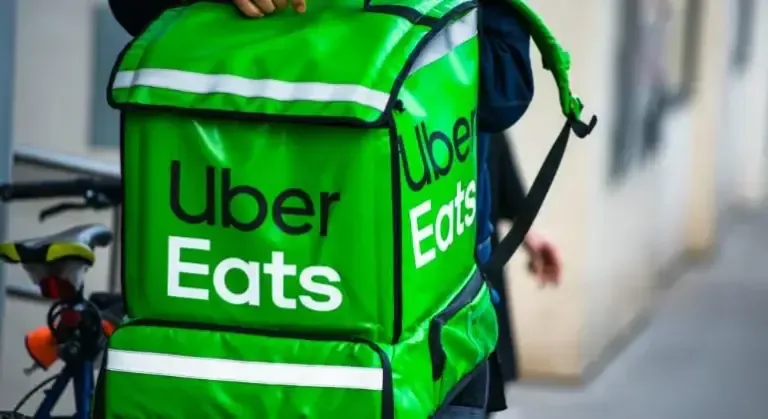
A few months later, Uber announced its return to delivery, but this time for supermarkets together with the Chilean startup Cornershop, which they bought the previous year and which already operated in Peru to make purchases and home deliveries from stores and supermarkets. Users could place these orders through Uber. But it did not last long. In 2023, Cornershop stopped operating with Uber, with the delivery service integrated into the Uber Eats platform globally in the markets where it participated.
In Peru, then, it ceased operations and Uber said goodbye to the delivery market in our country. Will the purchase of Delivery Hero allow it to resume the home delivery business, this time with an already consolidated business?

For Botteri, yes. “It would mark its grand return to delivery. In 2020 Uber Eats withdrew from Peru; now Uber would return by buying the market leader,” he states. The expert infers that Uber will keep the PedidosYa Peru brand for its local equity and gradually integrate new capabilities such as Uber One membership, in-app advertising, and perhaps synergies with the mobility business.
PedidosYa is already betting heavily on the Peruvian market, where they are moving at full speed to become the absolute leaders among delivery apps this year, as Maximiliano Nocioni, general director of PedidosYa, told Día1, the business supplement of El Comercio, this year.
The executive, in fact, has highlighted the great potential he sees for the development of digital delivery platforms, not only for prepared meals but also for supermarkets and other verticals. He foresees that in less than five years the Peruvian operation will reach the size they have in Argentina, a country where they lead by a wide margin.
He also previewed the launch of fintech products for couriers and payment methods.
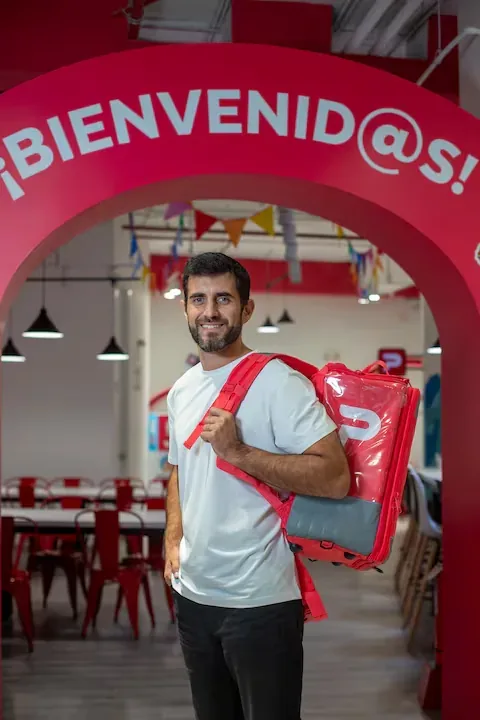
In this context, a possible relaunch of Uber Eats Peru seems unlikely in the short term. “It does not need it, since it directly acquires the brand, positioning, and network of merchants and couriers of PedidosYa,” he explains.
Priority business for Uber
For Botteri, this global transaction is more than a bet: it is the consolidation of delivery as the second structural engine of Uber’s business.
“Delivery stopped being a pandemic experiment: today it is a business comparable in scale to mobility within Uber, with growing profitability and network synergies (same drivers, same app, same Uber One membership). Instead of growing organically market by market — slow and costly — Uber buys local leadership positions that are already profitable or close to it all at once,” details the specialist.
Thus, this transaction redefines global delivery and the future of PedidosYa in Peru, Botteri adds.
“This transaction is the consolidation of delivery as the second structural engine of Uber’s business.”
With this combined operation, Uber would reach 99 markets and about US$236 billion, being the largest player outside China. Thus, Uber will double its markets from around 50 to almost 100 and go from 34 to 58 countries where it will simultaneously have mobility and delivery.
What will happen with Uber Eats? The expert comments that Delivery Hero is a leader with very strong local brands (PedidosYa in the region, Baemin in Korea, Talabat in the Middle East, foodpanda in Asia), precisely in geographies where Uber Eats has little or no presence. That is why he projects they will fit by complementarity. “Delivery Hero gives Uber the markets where Uber Eats did not win or never entered,” he asserts.
Meanwhile, in markets where both brands overlap, such as Spain, Chile, Ecuador, Turkey, and 10 other markets, the assets will be sold to SSW Partners.
How does the delivery market change in the region and in Peru?
Botteri indicates that the Peruvian duopoly Rappi–PedidosYa will remain in name, but its nature will change: now it will be Rappi vs. Uber. After the operation closes, it will be seen that PedidosYa will have behind it the balance sheet, technology, and global scale of Uber, with which he analyzes that the resource asymmetry compared to Rappi (backed by SoftBank and now focused on profitability) will widen.
Also, at a strategic level, he points out that greater investment in quick commerce (‘dark stores’, groceries), advertising, and loyalty programs is foreseeable, as well as downward pressure on commissions and promotions during the integration phase.
What will Uber contribute? First, financial backing: Uber generates robust free cash flow and can finance promotions, coverage expansion, and quick commerce without the pressure faced by an independent player. Technological advantage: dispatch algorithms, maps, dynamic pricing, and fraud prevention proven at Uber’s global scale. Ecosystem: potential integration with Uber’s mobility app in Peru and memberships (cross-discounts taxi + delivery), a differentiator that Rappi cannot replicate.
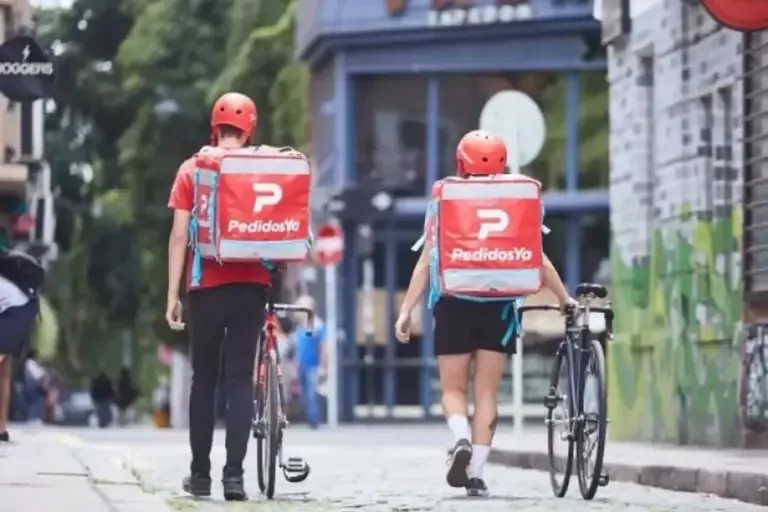
However, he points out that although the structural advantage would favor PedidosYa-Uber in the medium term, the integration window, which would occur between 2027-2028, is the great opportunity for Rappi to gain ground while its rival reorganizes. “Post-merger integration (PMI) processes usually distract the organization for 12–24 months, and Rappi has an advantage in verticals and deep local knowledge.
What remains to close the operation? Could it fall through?
In Peru, the operation could require review under the concentration control regime (Law 31112 – Indecopi) if thresholds are exceeded. Since there is no local overlap (Uber does not operate delivery in Peru), for Botteri there would be no substantive objections.
The operation, he notes, has little chance of falling through, as the deal design minimizes classic breakup risks. The real risk is timing and remedies, not failure, he notes. And if the deal were to fall through due to regulatory veto, PedidosYa Peru would simply continue operating under Delivery Hero: for the Peruvian consumer, the breakup scenario is neutral in the short term.
Read more The Comedy House Circus: “Threats are always present. We only ask that they let us work”
.