




![Alberto Beingolea: “If they insist on not giving [the powers], they are complicating life for Peru”](https://insightermedia.com/wp-content/uploads/2026/09/bb3fa9e11304ea13fe2cd333955007bc-150x150.webp "Alberto Beingolea: “If they insist on not giving [the powers], they are complicating life for Peru”")


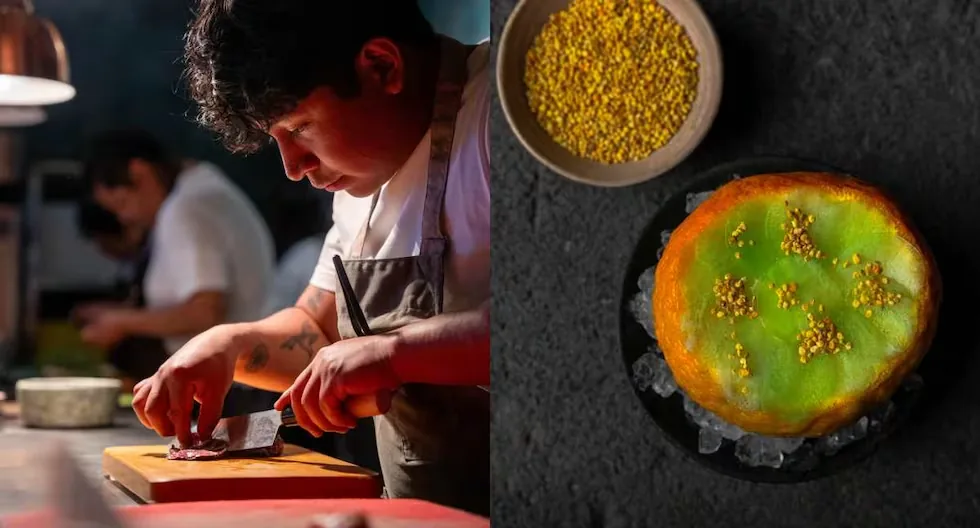
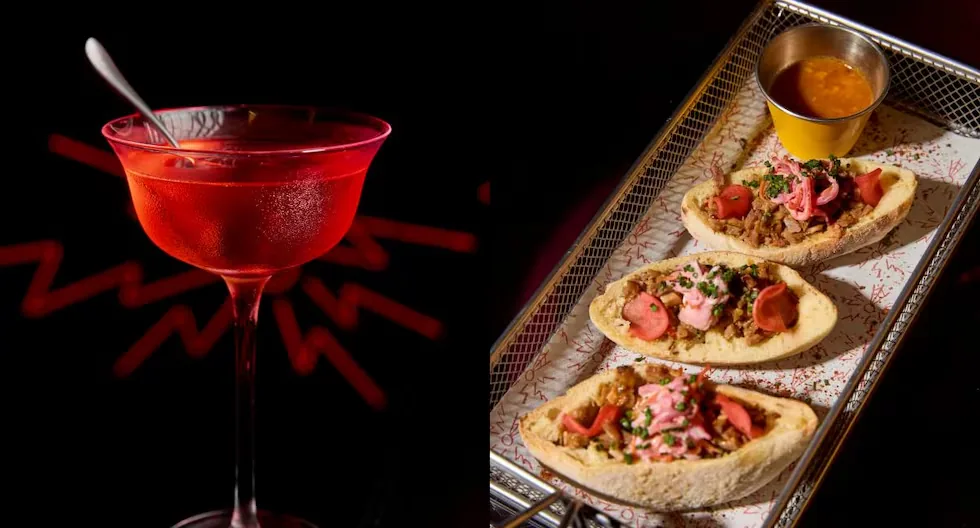
Inspired by this premise, the latest edition of Chefs Travel was held, an initiative by JW Marriott that, this time, took place in Quito and brought together the executive chef of JW Marriott Lima, Rafael Casín, with the culinary team of the hotel in Quito to create a seven-course dinner where each dish told a shared story.
Read more Luren Márquez is no longer Miss Peru 2026 and is out of Miss Universe
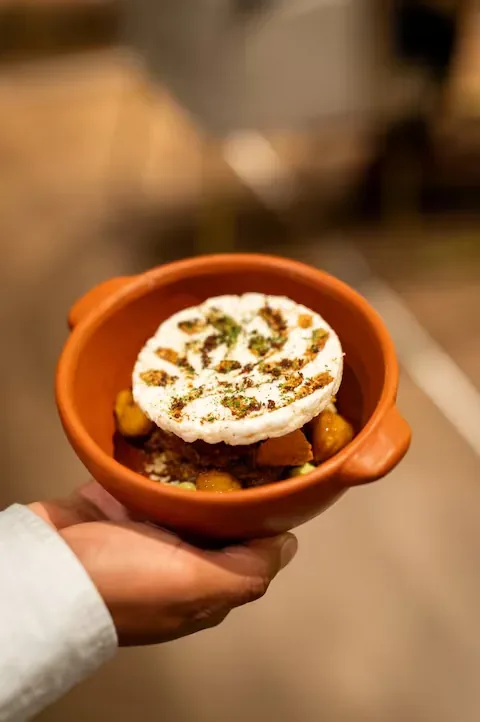
During an evening held at Raíces — a restaurant that reclaims Ecuadorian culinary heritage from a contemporary perspective — dozens of people gathered to enjoy dishes from both cultures. During the event, Casín worked hand in hand with Orlando Bastidas, the hotel’s executive chef, and Patricio Mata, the restaurant’s lead chef, on an unforgettable menu.
“Since I arrived, I discovered that Ecuador has so much to show the world,” says Casín, who visited Quito for the first time and was especially surprised by the quality of products such as cocoa, cheeses, green plantain, and coffee. For him, encounters like this allow Latin American gastronomy to project itself as a joint destination capable of attracting more and more travelers. He also maintains that a good meal transcends the moment of service: “People leave happy and that feeling remains. That is how flavors, dishes, and traditions are preserved,” he adds.
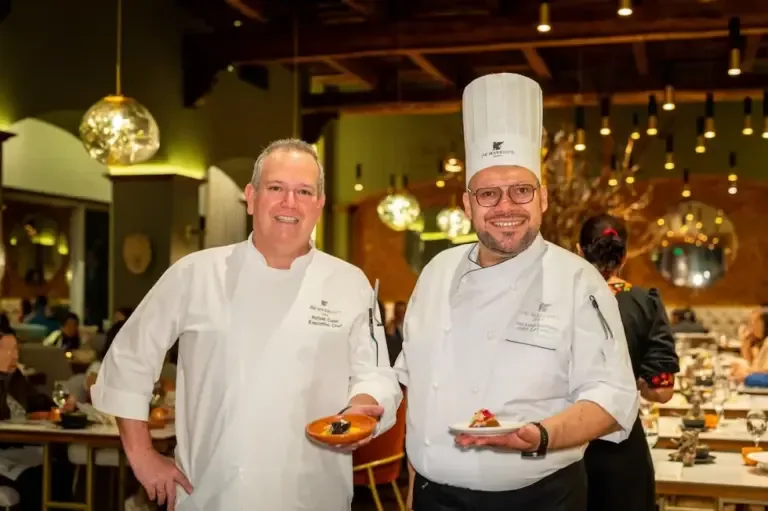
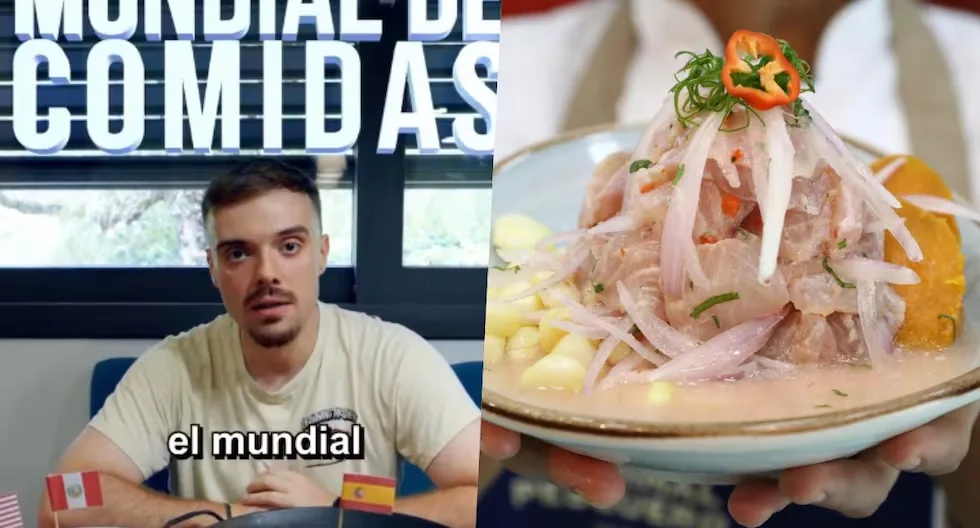
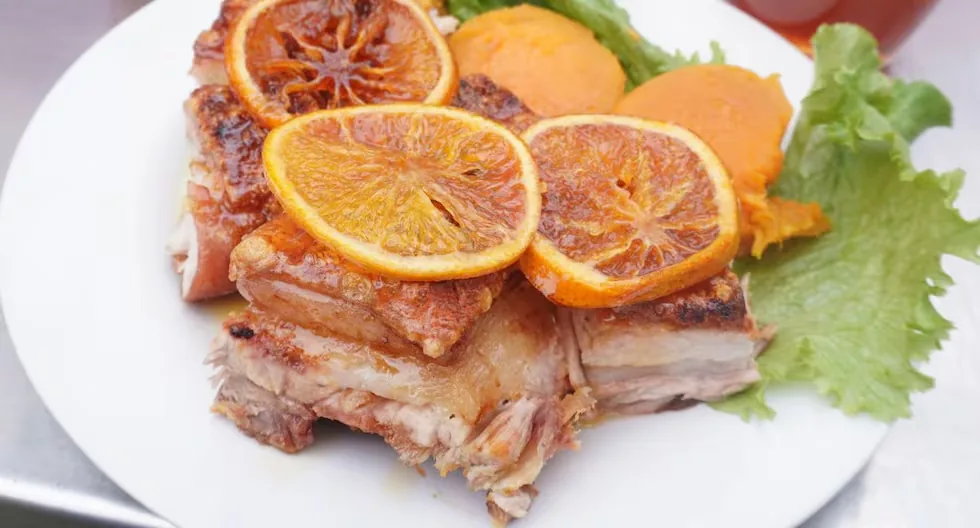
The affinity between both teams appeared from the first day of work. “It was as if we had known each other for years. We wanted to highlight the product and maintain the ancestry of both countries,” Bastidas explains about the menu, which featured delights such as lomo saltado, green plantain ball soup, ceviche, and goat stew.
MAY INTEREST YOU: Pollos Begui, the chicken restaurant that became the meeting point for taxi drivers, partygoers, and night owls since 1993
For the Ecuadorian chef, his country’s cuisine is at a decisive moment. He believes that Ecuador already has passionate professionals, schools, and products capable of competing internationally, but still needs to show itself more to the world. On that path, he insists, the priority must be to first preserve traditional recipes before reinterpreting them. Only then will new proposals have firm roots.
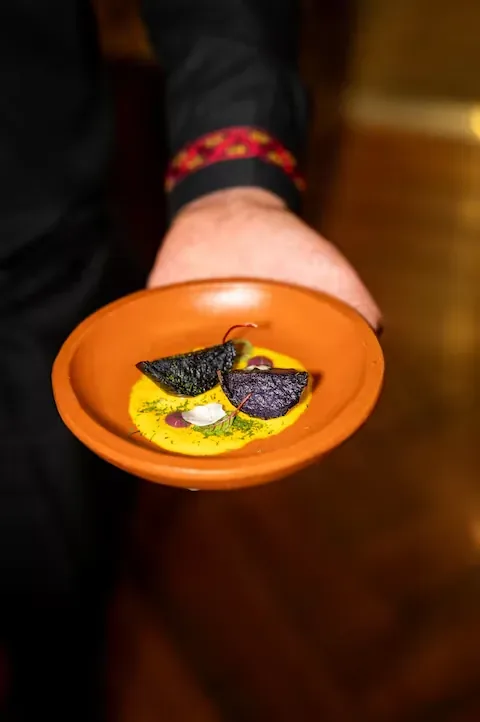
This philosophy also defines Patricio Mata’s work at Raíces. The chef explains that the restaurant was born to investigate Ecuadorian culinary history and demonstrate that it is possible to offer haute cuisine using local ingredients. “Our culture is also told through food. At a table, we experience the best and worst news; there we celebrate and share who we are,” he says in an interview with Somos.
In times when gastronomy has become a powerful reason to travel, Peru and Ecuador discover that the best itinerary can simply begin around the same table.
Rediscovering Quito
Surrounded by the Andes and built among mountains, the Ecuadorian capital invites you to slow down to explore a Historic Center where baroque churches, centuries-old plazas, and cobblestone streets coexist with a gastronomic scene increasingly looking towards its roots.
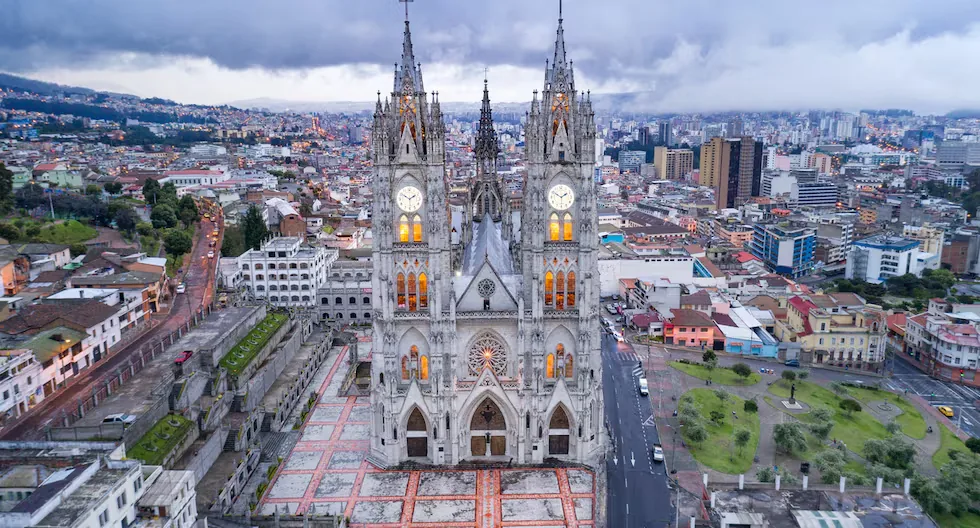
One of the first must-sees is the Basilica of the National Vow, the most imposing neo-Gothic temple in the country. Its towers dominate much of the urban landscape and offer one of the most spectacular panoramic views of the city. Unlike other churches on the continent, its gargoyles replace European mythological figures with emblematic species of Ecuador, such as iguanas, giant turtles, blue-footed boobies, and condors, which summarizes the country’s identity even from its architecture.
How to get there?
The direct flight to Quito from Lima lasts about 1 hour and 45 minutes. The best season to visit the city is from June to September, during the dry season.
Where to stay?
We recommend JW Marriott Quito for a strategic and safe location that allows you to explore the city. Also, on its premises, you can enjoy some of the best restaurants in the destination, such as Raíces, Fogo Do Chao, and Botánica.
Shopping
If you want to learn more about local fashion and art, the must-visit stops are La Imaginativa and Olga Fisch Folklore, concept stores that bring together the best in clothing, decor, and souvenirs created by local hands.
From there, the tour usually continues to another of Quito’s great icons: the Virgin of El Panecillo. Queen of a volcanic hill over 3,000 meters above sea level, the winged sculpture — inspired by the Virgin of the Apocalypse created by Bernardo de Legarda — has become Quito’s main viewpoint. From its base, it is possible to appreciate the colonial layout of the city and the modern neighborhoods. With its 41 meters in height, it is even more imposing than the Christ the Redeemer itself (Brazil), surpassing it by 3 meters.
But leaving Quito also allows you to discover another of the riches that have given Ecuador international fame: its roses. Less than two hours from the city, several flower farms open their doors to show the cultivation process of one of Ecuador’s most prestigious exports (they stand out as the second largest producers of roses in the world, after Colombia). Thanks to the combination of altitude, equatorial light, and stable temperatures throughout the year, the flowers develop long stems, intense colors, and durability that have made them world references. Touring the greenhouses, talking to those who work the land, and observing thousands of roses blooming at the same time allows you to understand why floriculture is now an essential part of the country’s economic and cultural identity.
Without neglecting the palate, the route can be complemented with delicious tastings: a must is Ecuadorian cocoa tasting, which can be done at Yumbos Chocolate, whose location is in the historic Plaza San Francisco. To continue, we recommend immersing yourself in the world of agave at Casa Agave, visiting from its botanical garden to its museum and ending with a tasting of its benefits, including drinks and appetizers.
With multiple options to explore and enjoy, Quito awaits with turquoise skies all year round, majestic churches, and interesting tours. Of course, the palate is more than satisfied. //
Read more Anne Hathaway, Alexandra Leclerc and Barbara Palvin: motherhood has never been so fashionable
- The golden boy of jiu-jitsu: the Peruvian who dethroned the powers of the U.S. and Brazil and is now number one in the world
- The ghost friend syndrome: why do some friends disappear when they fall in love?
- Kimba Fá turns 25: the story of the group that turned everyday sounds of Peru into a percussion show
- Having a boyfriend is no longer fashionable: why more and more women prefer to be single?
- The history of the school uniform in Peru: how the classic “rat gray” was born and why it still dresses millions of students