




![Alberto Beingolea: “If they insist on not giving [the powers], they are complicating life for Peru”](https://insightermedia.com/wp-content/uploads/2026/09/bb3fa9e11304ea13fe2cd333955007bc-150x150.webp "Alberto Beingolea: “If they insist on not giving [the powers], they are complicating life for Peru”")


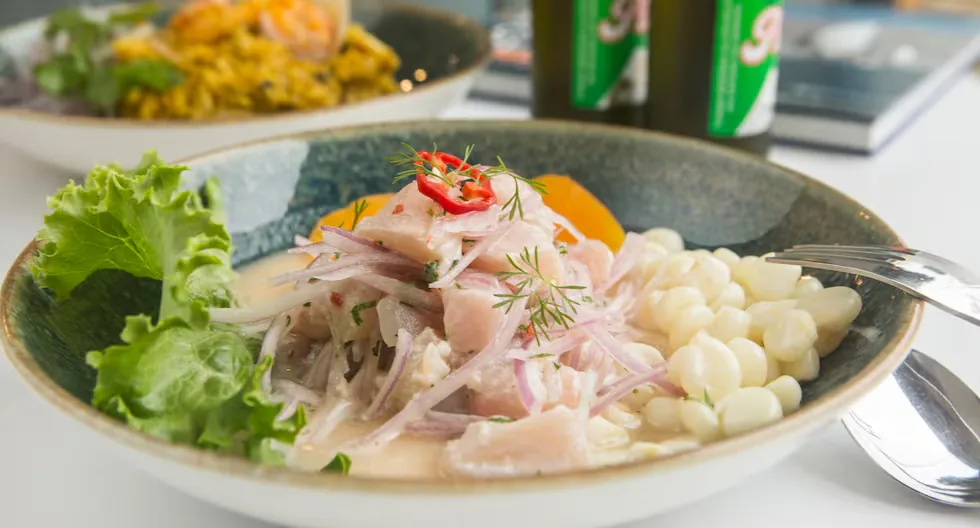
Ceviche, one of the most representative dishes of Peruvian cuisine, faces a new challenge; the sea is changing. The oceanographic conditions associated with the El Niño and Coastal El Niño phenomenon are modifying the distribution and availability of different species, which is beginning to affect the entire chain from the fisherman to the cevicherías.
The impact is already felt in seafood restaurants. While some species show lower presence and higher prices, others appear more frequently on the coast. The result is a market where cevicherías must seek new suppliers, substitute species, adjust their purchases, and in several cases, absorb the cost increase to avoid passing it on to the consumer.
Javier Vargas, founder of Cervecería Piscis and president of the Association of Marine Restaurants and Related Businesses of Peru, estimates that the situation already affects between 20% and 30% of the sector.
“The species that are in lower quantity are mullet, jack mackerel, mackerel, and silverside. It costs S/35 per kilo,” Vargas points out. According to him, the warming of the sea has led some species to move deeper, making their capture more difficult and reducing their availability for restaurants.
Less purchasing and higher costs
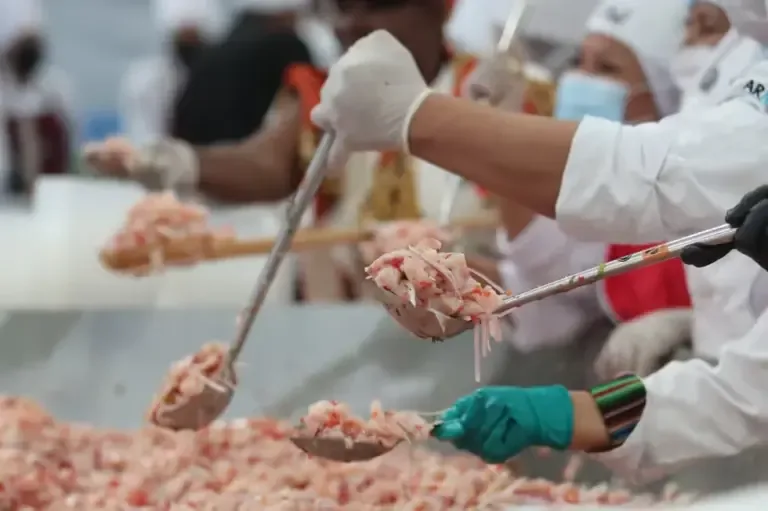
Pressure on supply also appears in restaurant figures. At Segundo Muelle, for example, the volume of fish and seafood purchases has decreased by about 10% on average since late May, while prices have increased between 10% and 15% in recent weeks, explains Daniel Manrique, general manager of the chain.
“We are also seeing fewer suppliers with constant availability. For us, who work with fresh products and have significant demand, this forces us to be much more attentive to supply and to seek alternatives without compromising the quality we offer,” he says.
Among the products with greater supply difficulties, he mentions squid and octopus. Silverside, for its part, has registered an increase of about 25%, while scallops rose approximately 10%.
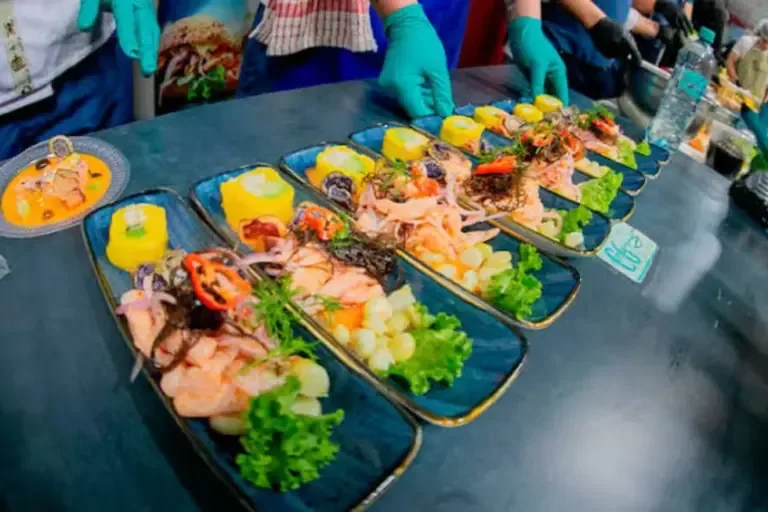
In general terms, Segundo Muelle’s fish and seafood supplies are between 10% and 15% above the same period last year. However, the company has chosen to absorb much of that increase.
“We have practically not passed that increase on to the consumer. We have preferred to absorb much of the impact and maintain our prices,” says Manrique.
However, the decision has a limit. “There is beginning to be pressure on margins,” admits the executive, who points out that the priority is to seek efficiencies and alternatives before passing the increase on to the customer, but without sacrificing quality or portions.
The sea is not running out of fish, the supply changes
Renzo Castagnola, CEO of Embarcadero41, has a similar view, although with an important nuance: the scenario does not necessarily imply a widespread absence of fish.
“More than a widespread shortage of fish, what we are seeing is a change in the availability and composition of the species the sea offers,” he explains.
Thus, while some species like grape eye, widow, and charela arrive less regularly, others have gained presence. Castagnola highlights, for example, the return of the cojinova, which had appeared infrequently for several years, as well as a more regular supply of sea bass, sole, and tuna.
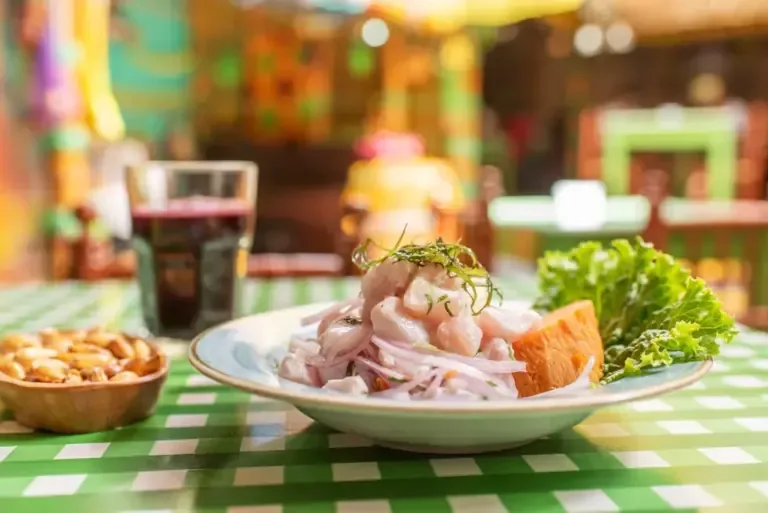
“The sea is very dynamic: while some species may decrease their presence, others appear with greater availability. For us, as fish specialists, the important thing is to understand that seasonality and adapt to what the sea offers us at each moment,” he says.
This dynamic is also being observed by authorities. The scientific evaluation of Operation Eureka LXXVIII, carried out by the Peruvian Sea Institute (Imarpe) between August 15 and 18, confirmed good growth status and reproductive activity of anchovy, despite the stress associated with El Niño conditions.
Produce and Imarpe have been strengthening monitoring to determine how the resource responds and what management measures are appropriate. The Deputy Minister of Fisheries and Aquaculture, Jesús Barrientos, stated that the evidence will allow timely decisions aimed at ensuring sustainability.
From anchovy to bonito and parrot fish
The change in sea conditions is also generating a greater presence of species associated with warm waters. Produce has identified, among others, tuna, flying fish, bonito, shrimp, shark, and flying fish as opportunity resources.
Bonito is one of the most visible cases. In August, Produce raised the catch limit for 2026 to 118,200 tons, based on the greater availability of the resource associated with oceanographic conditions.
Likewise, the sector exceptionally authorized the early start of the parrot fish fishing season for September 1, with an initial catch limit of 7,375 tons for that month and permanent monitoring by Imarpe.
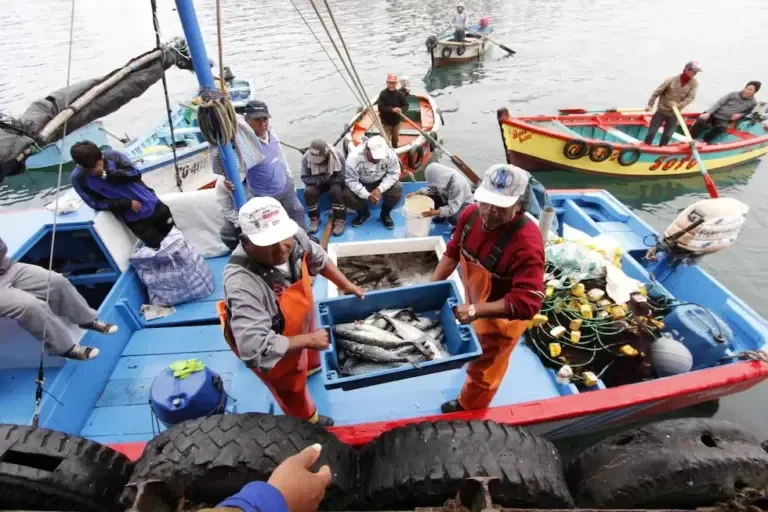
For cevicherías, this transformation opens a possibility but also forces a change in the traditional supply logic.
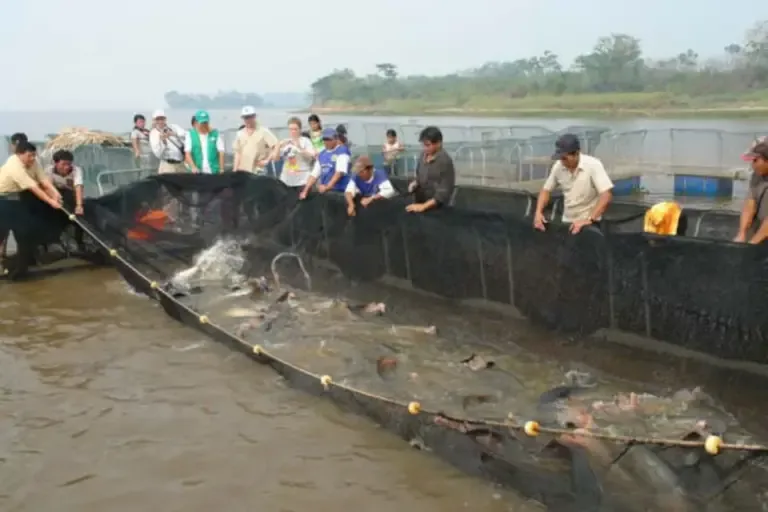
Vargas believes the sector will have to be more flexible in the face of the new reality. “If we have difficulties supplying sea fish, we will have to use options like trout, paiche, and maiden, which is a delight in ceviche,” he says.
The bet, he adds, should not be limited to species substitution. The diversity of products offered by the country should also be leveraged. “Peru is blessed, and if the chef is creative, we can offer new flavors and new experiences,” he states.
Cevicherías absorb the blow
For the gastronomic guild, one of the main problems is that the cost increase is not being passed directly to the consumer. “As a gastronomic guild, we have agreed not to raise the price of ceviche. We will assume it and are practically working without profitability,” Vargas says.
The usual margin of a restaurant, he explains, is between 20% and 30%, but currently many cevicherías would be operating with very reduced margins due to the increased cost of their supplies.
Therefore, the sector is seeking other sources of income. Vargas explains that some cevicherías are promoting seafood breakfasts, Creole dishes, acevichado makis, and new gastronomic proposals.
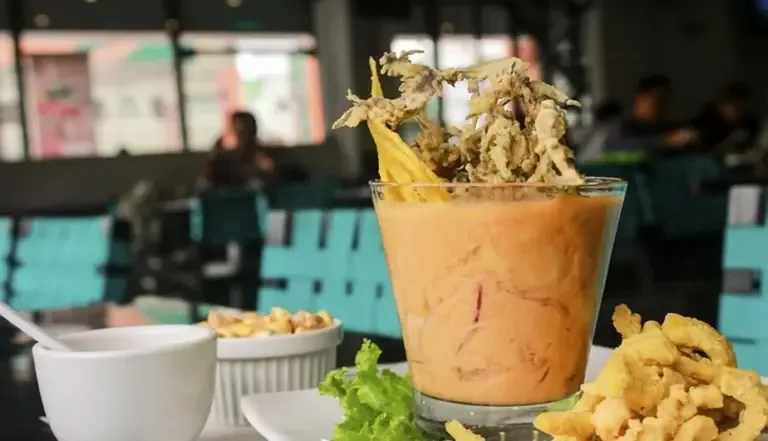
“Creativity is urgent,” he says. The intention is that these businesses do not depend exclusively on the traditional consumption of ceviche during a few hours of the day.
According to Vargas, the sector has about 38,000 cevicherías, within a universe of more than 225,000 restaurants in the country. “If we do not innovate, do not carry out campaigns to retain more customers, and do not maintain excellence, we will not be able to remain relevant,” he warns.
The other pressure: lime
The problem does not end with fish either. The ceviche chain depends on other agricultural products that can also be affected by climatic conditions.
Vargas recalls that rains in previous years affected lime flowering and reduced its availability, while demand continued to grow.
In this scenario, the sector also seeks to diversify its agricultural supply sources. “We have lime from the north of the country, onion from Arequipa, garlic from Arequipa, chili peppers from the central highlands, cilantro, celery, ginger, and so on. We will appeal to Peru’s diversity,” he says.
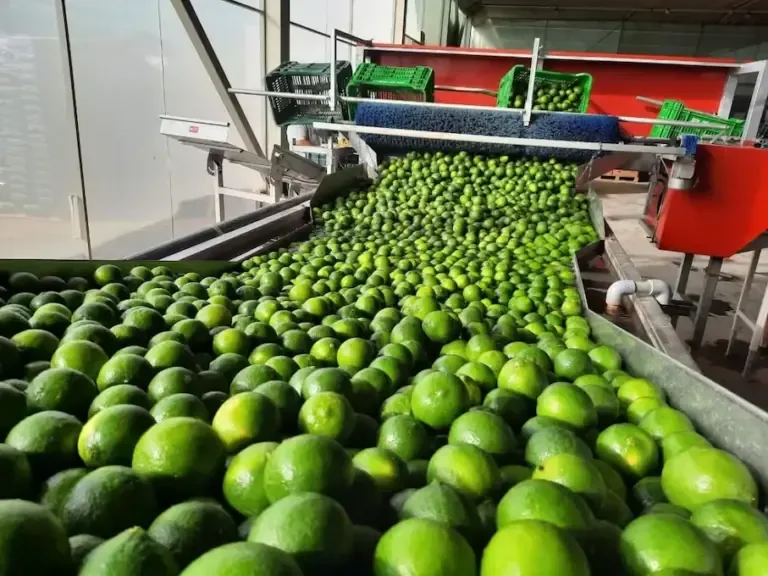
He even suggests greater exploration of other citrus fruits to maintain the gastronomic proposal. Thus, tumbo, cocona, camu camu, or bitter orange could become alternatives in case of difficulties with lime.
Segundo Muelle also identifies lime as one of the main risks. Manrique warns that possible river overflows could complicate supply from the north of the country and considers it necessary to plan logistical alternatives in advance to avoid interruptions.
What happens if El Niño intensifies?
The scenario is still uncertain. Produce has chosen to strengthen monitoring and establish adaptive management mechanisms, while restaurants prepare for a scenario in which the composition of the marine supply could continue changing.
At Embarcadero41, the strategy is to maintain a wide network of suppliers and work with different species.
“We cannot expect the sea to deliver the same species, in the same quantities, and at the same costs, twelve months a year,” summarizes Castagnola.
At Segundo Muelle, the strategy is similar: diversify suppliers and products, but maintain a clear limit. “The big challenge for a restaurant like Segundo Muelle is to adapt without the customer feeling they are receiving a lesser experience,” says Manrique.
For Vargas, however, the challenge is broader and requires a transformation of the entire chain. The businessman believes the sector must reinforce respect for fishing bans, avoid overfishing, and protect anchovy, which he considers fundamental for the marine ecosystem.
And here appears one of the main challenges of the ceviche chain: adapting to a changing sea without risking the resources that make it possible for the dish to continue reaching Peruvian tables.
Read more On this day, September 4: What happened in the world on a day like today?
- From Pilsen Callao to Tambo: why do brands now want to “farm aura”? Does it work or is it ‘cringe’?
- El Niño phenomenon is the main risk for DHL Express in Peru: why a delay of up to three days could increase its costs by up to 7%
- Southern Copper plans to invest more than US$8.2 billion in Peru by 2033: these are its four major projects