






Vulnerability to natural phenomena returns to the center of attention due to the alert of a possible strong coastal ENSO and the fear that an earthquake like the one that occurred in Venezuela could happen in Peru. If it occurs, the limited capacity of the State, which usually reacts rather than prevents its possible impacts, will be tested again. All this in a context of wide infrastructure gaps, inadequate conditions of a high number of informal homes, and serious limitations in managing resources for disaster risk prevention.
Recurrence of disasters
So far this century, the most costly natural disasters include the 2017 coastal El Niño phenomenon, whose damages amounted to 1.5% of GDP, and the earthquakes that occurred in the south of the country in 2001 and in Ica in 2007, with losses close to 0.6% of GDP in each case.
WATCH | The next frontier of the State: artificial intelligence for better government
Also, between 2015 and 2024, Indeci recorded more than 57 thousand natural-origin emergencies, which affected 9.5 million people, 1.2 million homes, 6 thousand bridges, and 32 thousand kilometers of roads. Among these events, intense rains stand out, representing 40% of the total emergencies and concentrating much of the damage. Thus, rains explain the impact on 63% of the affected homes during that period, 74% of the bridges, and 75% of the roads. In this context, the alert about the occurrence of a strong coastal ENSO raises the risk of new damage from intense rains until early 2027.
Deteriorated infrastructure
The impact of natural phenomena is worsened by the poor condition of homes. In Peru, 77% of homes are informal, that is, they were built without property titles or basic guarantees about their structure. Precariousness increases exposure to a phenomenon. By 2025, 72.4% of informal homes had inadequate floors, 50% inadequate roofs, and 29% walls made of precarious materials. These gaps vary by region. For example, in Loreto, Ucayali, and San Martín, more than 90% of informal homes have inadequate roofs.
Vulnerability also extends to public infrastructure. About 27 thousand educational facilities require total replacement; that is, all their buildings must be demolished and replaced with new infrastructure. This affects more than 1.2 million students. The magnitude of this gap also conditions the time it would take to correct it. Thus, at the average execution pace from 2021-2025, closing the educational infrastructure gap to date would take 24 years. Even more, in regions like San Martín, Amazonas, and Loreto, it would require more than five decades.
WATCH | Wasted resources: Mayors failed to execute more than S/ 100 billion in works in the last three municipal terms
Use of public resources
Faced with gaps of this magnitude and imminent risks, it is necessary to properly manage resources for disaster prevention and management. This implies allocating sufficient resources to the areas that are usually most affected and executing them efficiently. However, in 2026, the budgeted resources per inhabitant for the northern zone of the country are almost 30% lower in real terms than those executed in the last 10 years. This contrasts with the higher budget per inhabitant for the eastern (+49%), central (+31%), and southern (+30%) regions of the country.
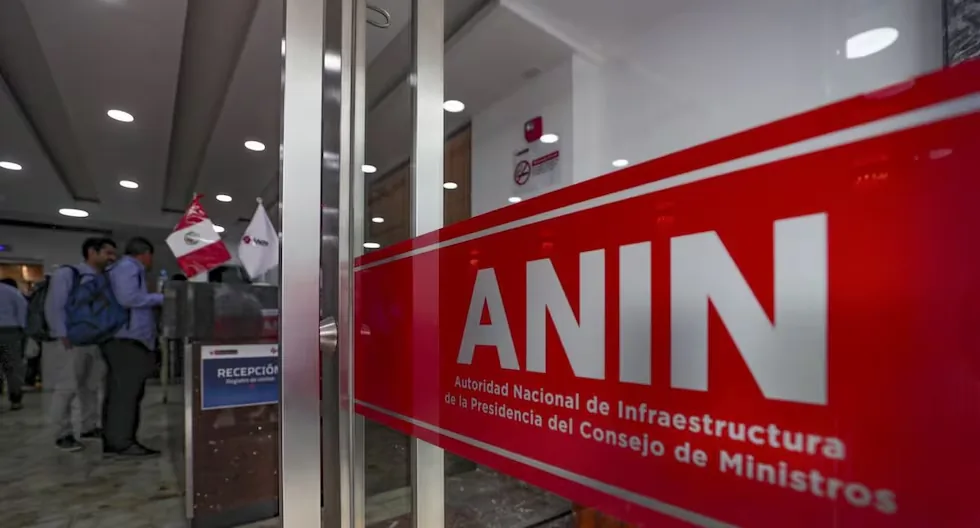
Additionally, the slow progress of the National Infrastructure Authority (ANIN) is concerning, which took over the portfolio of projects aimed at disaster prevention and reconstruction of affected infrastructure from the now-defunct Authority for Reconstruction with Changes. According to MEF data, 75% of the works in its current portfolio started before 2023. However, even though ANIN has special contracting mechanisms, it only records an average financial execution of 36% of the total amount committed for these works.
With these limitations, Peru will face the next ENSO and a possible earthquake, so it is key that the next government leads a State that prevents timely and manages to reduce its high exposure to natural phenomena. The challenge is great, but the development of Peruvians depends on it.
Read more The spectacular rescue of Dibu Martínez in his hometown and a dream prize for the Albiceleste