




![Alberto Beingolea: “If they insist on not giving [the powers], they are complicating life for Peru”](https://insightermedia.com/wp-content/uploads/2026/09/bb3fa9e11304ea13fe2cd333955007bc-150x150.webp "Alberto Beingolea: “If they insist on not giving [the powers], they are complicating life for Peru”")



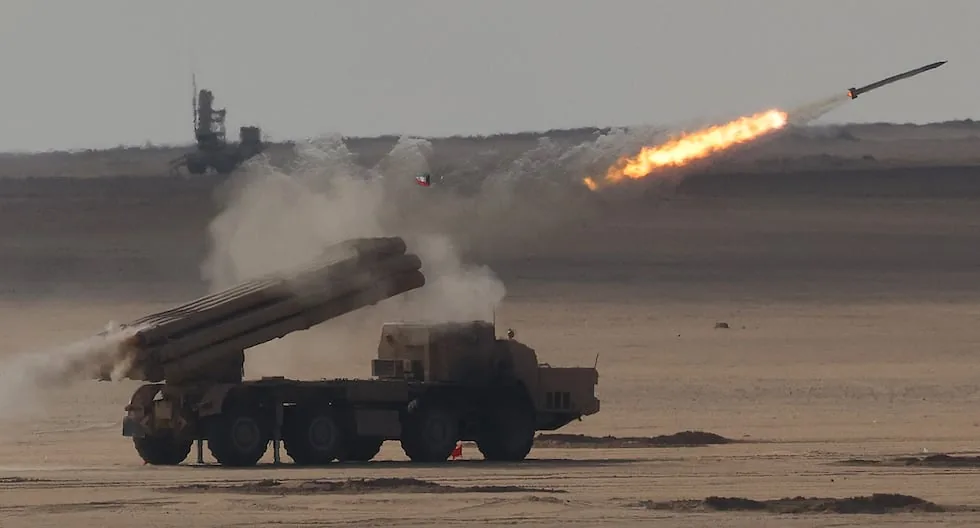
Kuwait denounced this Thursday missile and drone attacks against its territory, which were intercepted by Kuwaiti air defenses, after Iran announced an attack on a United States base in response to a previous offensive.
Read more “Good morning, Mario”: the exhibition that reveals how the genius of Vargas Llosa was built
The Kuwaiti Army General Staff reported in a statement that the “Kuwaiti air defenses are repelling missile and drone attacks”, without specifying which area of the Persian Gulf country was attacked or giving further details, which the Ministry of Foreign Affairs later identified as Iranian attacks.
SEE: Iran launches attack against a U.S. air base in response to a previous offensive
The institution warned that “any explosion heard is due to the interception of attacks by air defense systems,” and urged “everyone to follow the safety instructions issued by the competent authorities.”
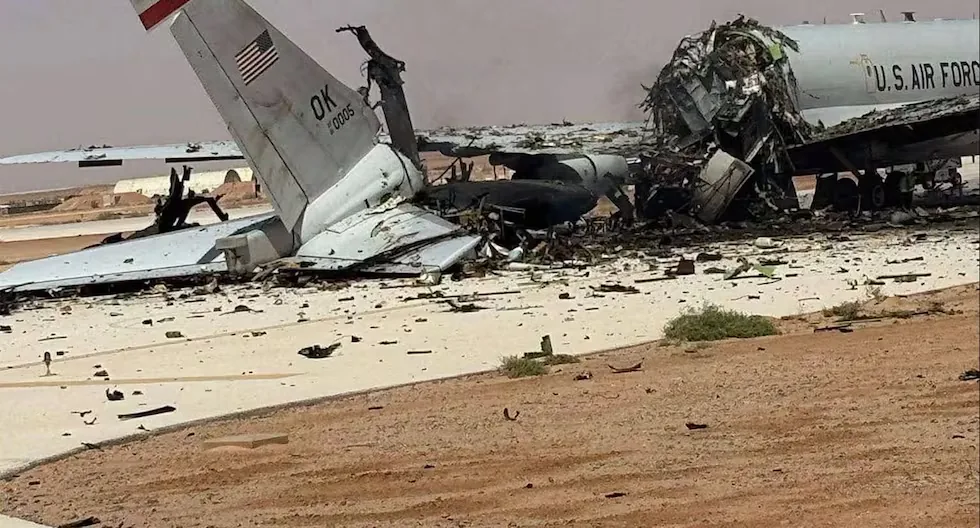
The incident occurred shortly after the Iranian Revolutionary Guard announced in a statement that it had launched an attack against a U.S. air base in response to a previous U.S. offensive against the south of the country.
The statement does not specify where the U.S. base is located.
Previously, officials cited by U.S. media indicated that U.S. armed forces had attacked facilities in southern Iran and shot down four drones launched against American ships.
The Kuwaiti Ministry of Foreign Affairs expressed the “condemnation of the State of Kuwait of the Iranian attacks” against its territory with missiles and drones, and described the incident as a “dangerous escalation and a flagrant violation of sovereignty, security, and territorial integrity, as well as a direct threat to the lives of civilians and vital infrastructure.”
“This only aggravates the severity of these attacks and undermines diplomatic efforts aimed at preserving regional security and stability,” the note adds, in which Kuwait demanded that Iran “immediately and unconditionally cease these atrocious attacks and holds it fully responsible for them.”
Kuwait, the statement says, reserves “the full right to take all necessary measures to preserve its security and defend its territory and vital facilities.”
Meanwhile, indirect talks continue between Washington and Tehran to end the conflict and reopen the Strait of Hormuz, essential for energy trade, with a key meeting today between U.S. Secretary of State Marco Rubio and Pakistani Foreign Minister Ishaq Dar, mediator in the talks.
Since the ceasefire announced on April 8 between the U.S. and Iran came into effect, Kuwait has denounced several attacks directed against its territory and strategic infrastructure, some directly attributed to the Islamic Republic.