




![Alberto Beingolea: “If they insist on not giving [the powers], they are complicating life for Peru”](https://insightermedia.com/wp-content/uploads/2026/09/bb3fa9e11304ea13fe2cd333955007bc-150x150.webp "Alberto Beingolea: “If they insist on not giving [the powers], they are complicating life for Peru”")



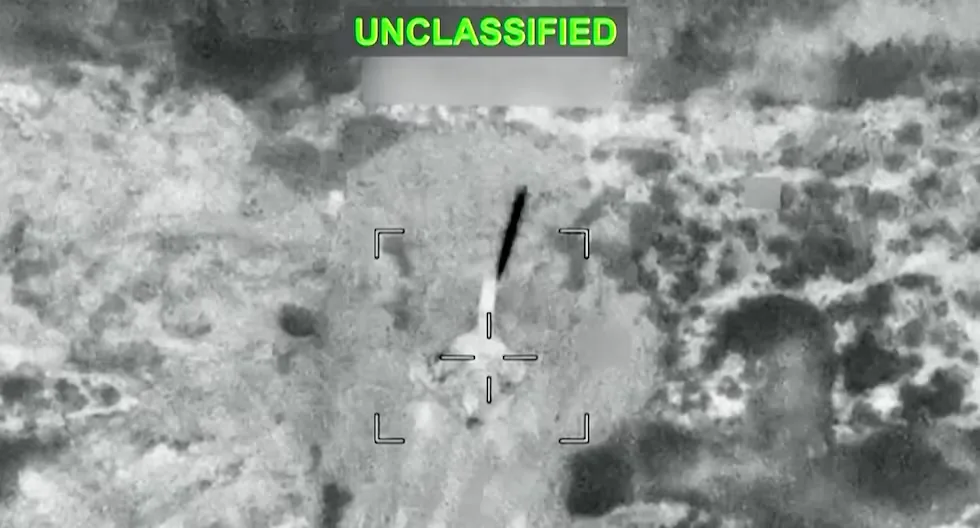
The Middle East was shaken by bombings from the United States and Iran of an unprecedented magnitude since the ceasefire reached in April, a situation that has blown apart the protocol agreement to end hostilities.
Read more Earthquake in Peru TODAY, Monday, July 13: epicenter, magnitude, and seismic report according to IGP
“There is no doubt that this agreement is in crisis. But Iran has never been the first to break its commitments,” said the spokesperson for the Ministry of Foreign Affairs, Esmail Baqai, on Monday during a press conference held in Tehran attended by AFP.
SEE: Iran states that its list of military targets “has been updated” following threats from Trump
At the center of the tensions is the Strait of Hormuz, over which Iran wants to maintain control established in the early days of the war, and where it aims to charge for the transit of ships.
The resumption of hostilities over the weekend and the Iranian announcement of a new closure of this maritime passage, a strategic route for global hydrocarbon trade, caused an increase of more than 4% in the price of oil on Monday, surpassing 78 dollars per barrel.
The war was triggered on February 28 by the Israeli-American offensive against Iran. After nearly 40 days of bombings, a ceasefire came into effect on April 8.
The United States and Iran signed a protocol agreement on June 17, granting 60 days of truce to negotiate the end of the conflict.
US President Donald Trump declared last week that the ceasefire “ended” due to Iranian attacks on ships in Hormuz, through which before the war 20% of the world’s oil and liquefied natural gas passed.
“Avoiding an escalation”
Despite the hostilities, the Iranian foreign ministry assured on Monday that it continues diplomatic efforts with mediators Qatar, Pakistan, and Oman, in order to “avoid an escalation” with the United States.
“Whether the protocol agreement is dead or alive is irrelevant, given the multiple interpretations it has given rise to. Both parties must reach clearer terms,” says Bader Al Saif, an expert from Kuwait University.
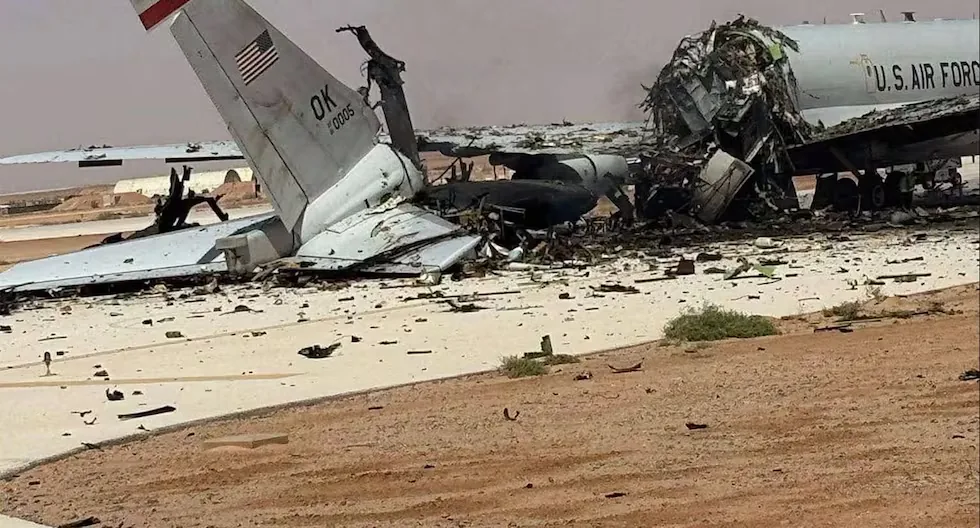
On the ground, the region suffered new bombings in the early hours of Monday.
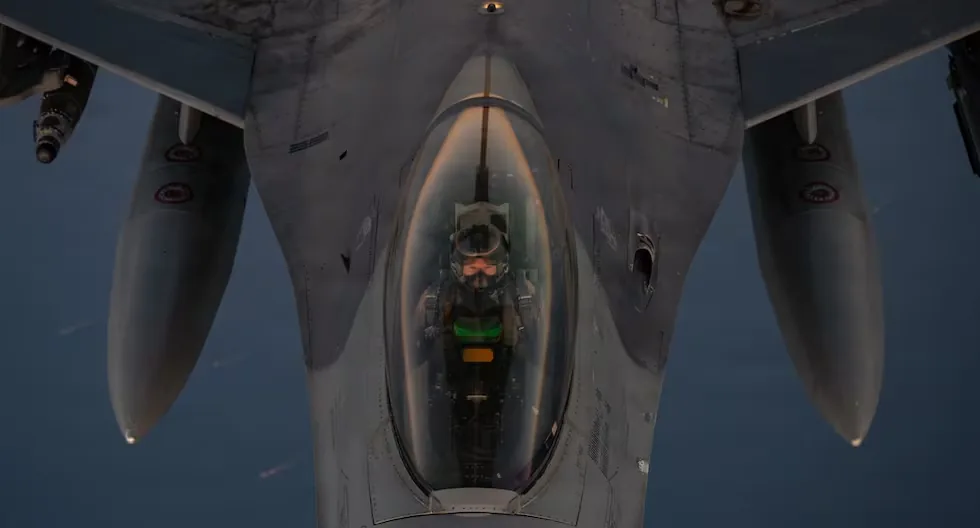
US forces claim to have hit “Iranian air defense military systems, coastal radars, missile and drone capabilities, and small boats,” aiming to prevent the Islamic Republic from “attacking civilian crews and merchant ships” in the Strait of Hormuz.
The United States accused Iran of attacking a Cyprus-flagged container ship over the weekend, which led to the evacuation of 23 crew members, while a twenty-fourth remains missing.
Read more The cost of lack of resilience
Meanwhile, Iranian state media report US attacks in southern and western Iran, including Qeshm Island and Bandar Abbas, near Hormuz. The Mehr agency reported new explosions near the maritime passage on Monday morning.
In the city of Mahshahr, in southwestern Iran, “one person was martyred and four others were injured” in the US bombing, reported a Khuzestan province official cited by IRNA.
“Systematic hostile attitude”
In retaliation, the Revolutionary Guards, Iran’s ideological army, claimed to have bombed US facilities located in Oman, Bahrain, Kuwait, and Jordan.
The Kuwait army confirmed on Monday that it had to respond to “hostile aerial targets” launched against its territory.
Bahrain forces accused Iran of targeting the civilian population as part of a “systematic hostile attitude,” adding that they had “intercepted and destroyed several air attacks” on Monday morning.
Pakistan’s foreign minister and mediator in the conflict, Ishaq Dar, urged the parties to “de-escalate” and show moderation, and UN Secretary-General António Guterres called for “urgent resumption of peace negotiations.”
But Iran insisted on maintaining control over the Strait of Hormuz and accused the United States of causing the “return of insecurity” there.
“That strategic passage is more important than dozens of atomic bombs and the Islamic Republic of Iran will protect it,” declared Mohsen Rezai, military advisor to the Iranian supreme leader, cited by the ISNA news agency.
On Monday, Iran carried out “warning shots” against two ships “attempting to illegally cross the Strait of Hormuz,” stated state television.
Read more “More than 90% of the world’s population will be affected in some way by cancer,” warns the WHO