




![Alberto Beingolea: “If they insist on not giving [the powers], they are complicating life for Peru”](https://insightermedia.com/wp-content/uploads/2026/09/bb3fa9e11304ea13fe2cd333955007bc-150x150.webp "Alberto Beingolea: “If they insist on not giving [the powers], they are complicating life for Peru”")



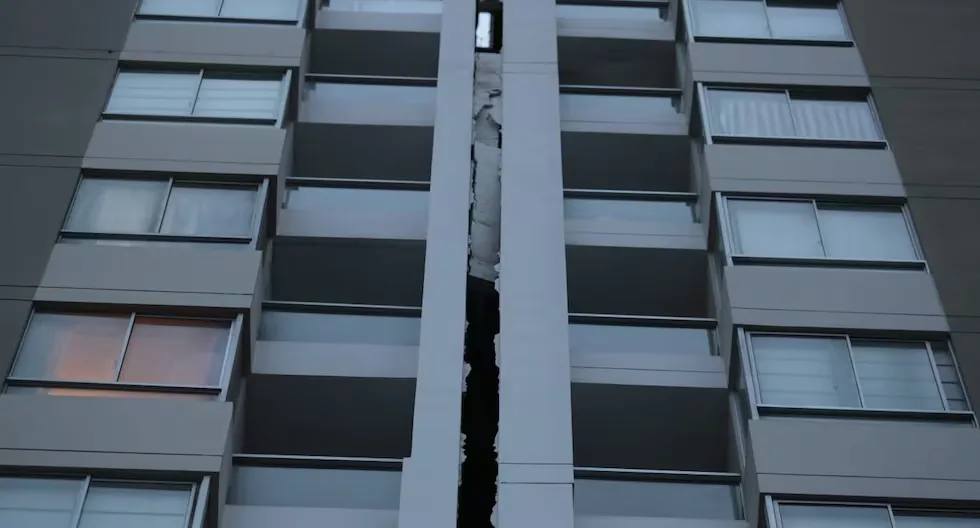
For Verónica Aita De Marzi, manager of Personal Lines at Pacífico Seguros, this low percentage means that more than 7 million households would be unprotected in the event of earthquakes, fires, or floods. “In a country like ours, located in a highly seismic zone, this figure is a clear wake-up call,” she warned.
Lima and Callao concentrate 75% of the insured homes in the country, while the rest are in the provinces, according to Eduardo Chávez de Piérola, legal manager of Apeseg.
At the segment level, coverage – according to Pacífico Seguros – is concentrated in segments A and B of Lima, representing almost 90% of the total insured homes. The main districts are Miraflores, Surco, La Molina, San Isidro, Jesús María, and San Borja, where homes financed with mortgage loans and greater awareness of property protection predominate.
From Apeseg they added that the highest percentage of insured homes in our country is concentrated in Lima, approximately 7%, followed by departments such as Arequipa, La Libertad, and Ica, with a percentage of around 3% approximately, which had a significant increase after the 2007 earthquake.
“In the middle of the table are departments like Ancash with 1.3% of insured homes and at the bottom of the table departments like Huancavelica and Puno, among others,” commented the Peruvian Association of Insurance Companies.
Regarding the price of insurance, they mentioned that insurance premiums range from 0.18% to 0.25% of the property value.
Insurance with mortgage loans
Aita de Marzi, from Pacífico Seguros, mentioned that the 3.3% of insured homes is a figure that has grown and reflects an evolution in the penetration of home insurance, although still gradually. This number is largely due to growth linked to access to mortgage loans for the purchase of a home or apartment, where financial institutions require insurance as part of the financing. How does it work?
When accessing a mortgage loan, the bank includes two mandatory insurances in the monthly payment: one for loan protection, which covers the debt if the holder dies or becomes disabled, and another All Risk insurance, which protects the property against disasters such as earthquakes, fires, or floods.
According to Chávez de Piérola, if you are still paying the mortgage on your property, an incident occurs, and the property is destroyed, the insurance company will issue two checks, one to the bank and another to the owner.
“If your apartment cost S/ 100,000, and the earthquake that destroys your property occurs when you have already paid S/ 70,000 of the debt to the bank, the insurer will issue two checks, one for S/30,000 to the bank and another for S/70,000 to the owner,” explained Chávez de Piérola.
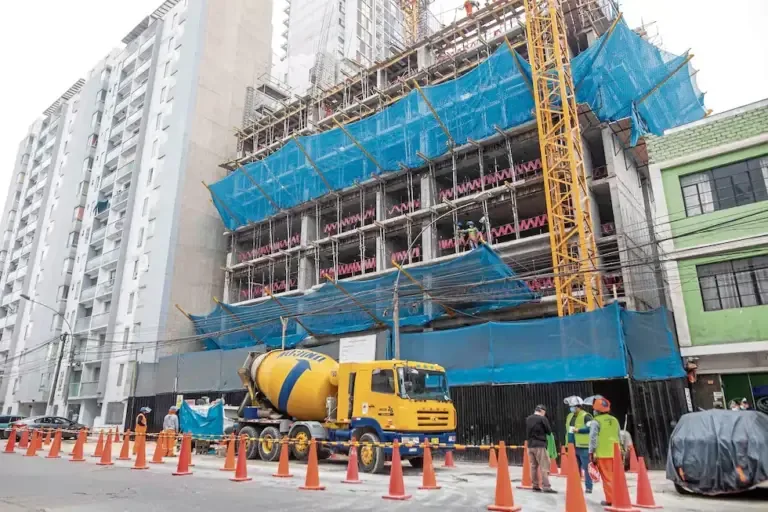
If the apartment has not yet been handed over to the new owner, the legal manager of Apeseg mentioned that real estate companies have insurance that protects the project while it is under construction.
He also regretted that although these insurances are included in mortgage loans, when the total loan payment is settled with the bank, only 12% of users maintain a product that insures their property.
What happens if I have insurance and the building I live in does not
Miguel Ángel Ramírez, manager of General Insurance at La Positiva, mentioned that new contracts are usually noticed after significant and nearby seismic events, such as the earthquakes in Chile, generating a “memory effect.”
In terms of prices, protecting an apartment is not inaccessible. According to Apeseg, a policy can cost around 0.2% of the commercial value of the property. That is, insuring a home that costs S/ 200,000 would cost about S/ 400 per year.

Chávez de Piérola mentioned that an emerging trend they have observed in the insurance market is that the boards of multifamily buildings contract collective insurance, which is financed with the maintenance fees of each owner. In this way, comprehensive coverage is guaranteed. But, what happens if you live on the 6th floor and have insurance, while your neighbors on the 5th and 7th floors do not?
According to the legal manager of Apeseg, if in a building where not all apartments are insured, an incident occurs and the property is destroyed, the insurance company will issue a check for the commercial value of the property on the sixth floor.
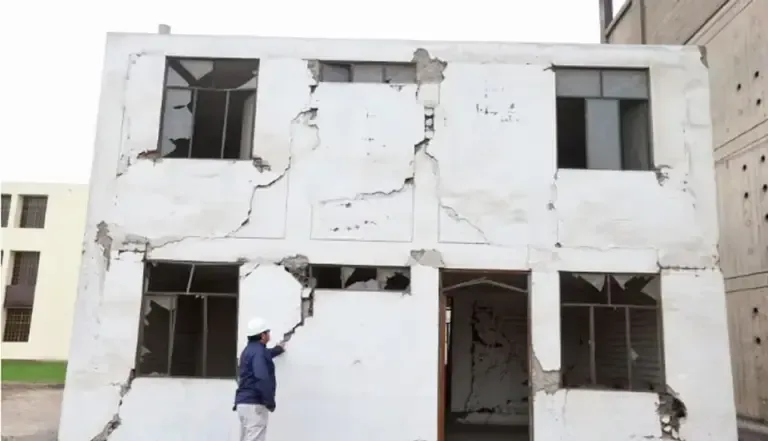
In case of cracks or damage to the property, Chávez de Piérola pointed out that the insured must file a claim indicating that as a result of the incident, part of the property was affected; in this way, the insurance company will send an expert or adjuster who will verify the damages and issue a check for the repair.
Likewise, Ramírez, from La Positiva, assured that among the documents that may be requested are: photographs of the damages, budgets or quotes for the repair, reconstruction, or replacement of the insured goods affected by the earthquake.