




![Alberto Beingolea: “If they insist on not giving [the powers], they are complicating life for Peru”](https://insightermedia.com/wp-content/uploads/2026/09/bb3fa9e11304ea13fe2cd333955007bc-150x150.webp "Alberto Beingolea: “If they insist on not giving [the powers], they are complicating life for Peru”")



Iran’s chief negotiator threatened on Sunday to respond more quickly and intensely to U.S. offensives, hours after Tehran attacked U.S. warships in retaliation for bombings against Iranian tankers.
These statements come amid a diplomatic stalemate to end the Middle East conflict, triggered on February 28 by Israeli and U.S. attacks against Tehran.
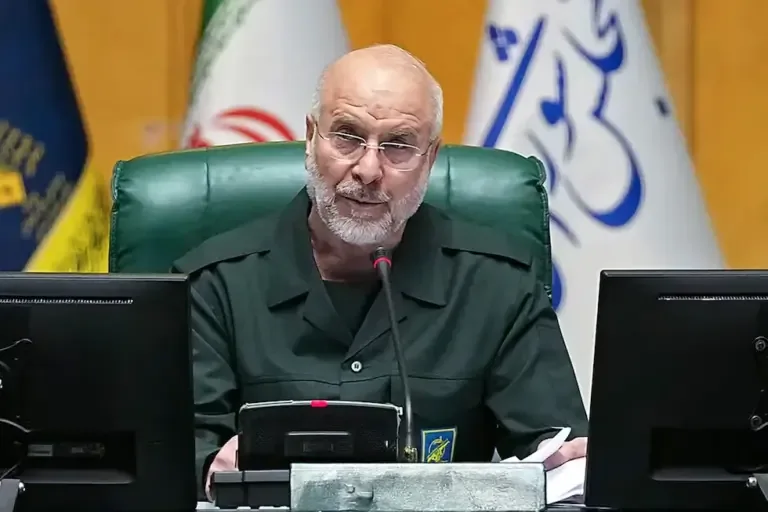
“The Americans must have understood that the era of proportional responses is over”, declared Mohamad Baqer Qalibaf, Iran’s chief negotiator, in a speech broadcast by state media.
“Any aggression against Iran’s interests and security will receive a faster, more intense, and more painful response,” he added.
After more than a month of relative calm, hostilities resumed on August 30 when the U.S. military bombed Iranian infrastructure in the strategic Strait of Hormuz.
Early Sunday, Iran’s Revolutionary Guards announced they attacked “an unmanned U.S. military surface vehicle (remote-controlled vessel) attempting to enter the protected zone” of Hormuz, they wrote in a statement cited by state television.
Shortly before, they claimed to have struck “three oil tankers making unauthorized crossings in the Strait of Hormuz and three U.S. vessels in other areas,” and warned other ships to avoid routes not approved by Tehran.
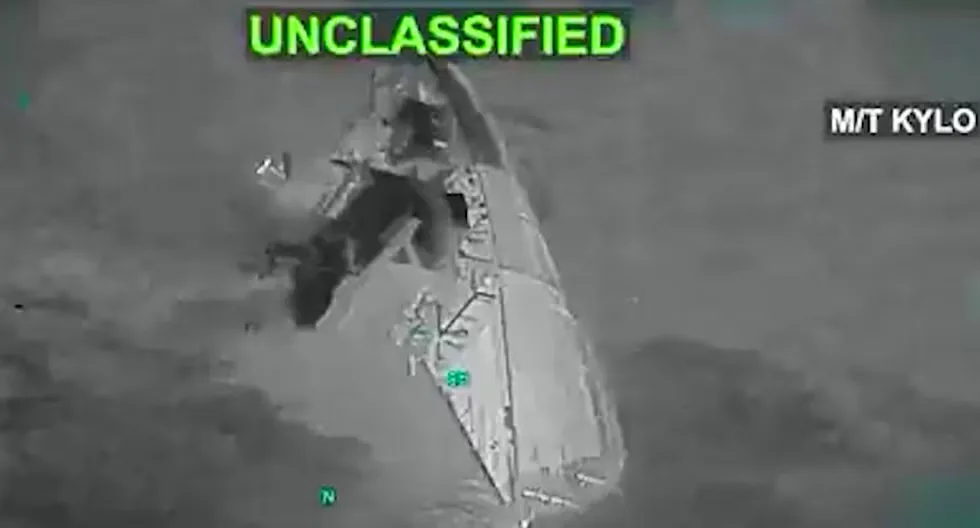
On Saturday, the U.S. military said it attacked three Iranian tankers.
One of the ships was off Kharg Island, where Iran’s main oil terminal in the Gulf is located; another in the south, near the Strait of Hormuz, and the third in the Gulf of Oman, detailed the U.S. military.
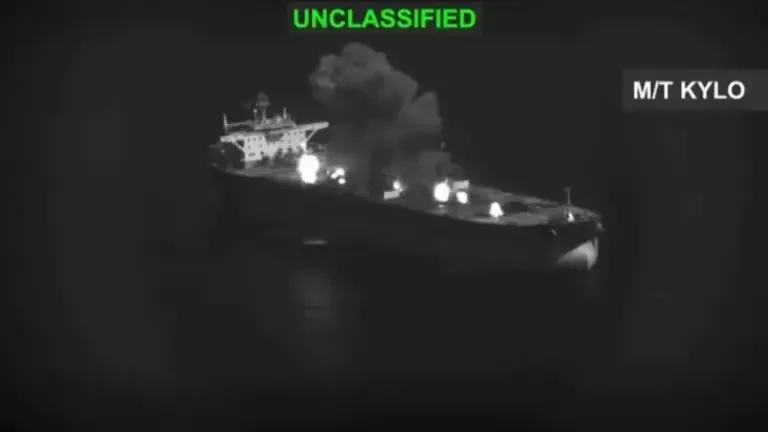
According to correspondents from Iranian state television, the U.S. bombings caused no casualties and the crews of the attacked facilities had been evacuated to the mainland.
Threats
Washington launched the bombings after a U.S. aircraft carrier and destroyer “evaded multiple unprovoked Iranian attacks,” according to the U.S. military, assuring that none of its soldiers were injured.
Read more Quini 6, draw 3406: find out the jackpot and today’s results, Sunday, September 6
“If they attack two of our ships, we will impose an even higher price, we will attack three of theirs,” said the commander of the U.S. Central Command for the Middle East (Centcom), Brad Cooper.
The Guards confirmed the U.S. attack against “three oil tankers belonging to the Islamic Republic,” and described it as “an act of desperation in response to the closure” of this strategic hydrocarbon trade route.
Iran maintains a strict blockade of the Strait of Hormuz and the U.S. has imposed a blockade on Iranian ports, with neither side seeming willing to yield.
Ahead of the November midterm elections, President Donald Trump seeks to downplay the conflict and says he prefers to focus now on an “economic war” against Iran, a country under U.S. sanctions for decades.
The Republican stated on Friday that his country only launches “targeted bombings” against Iran, and that it is not a war but “a military conflict because for us it is minor.”
Deaths in Lebanon
The conflict, which has left thousands dead and driven up oil prices, has spread across the Middle East where several fronts are open.
In Lebanon, Israeli attacks launched on Sunday in the south of the country left four dead, including two women, and 20 injured, according to the Ministry of Health.
The Israeli army said it responded to the launch of two drones by the Islamist Hezbollah movement against its soldiers. The Shiite movement has not claimed any attacks since June.
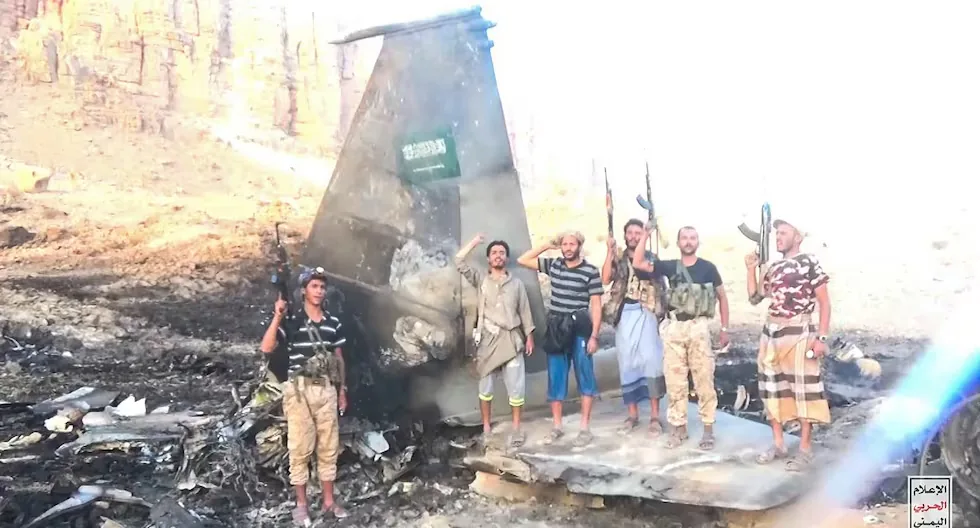
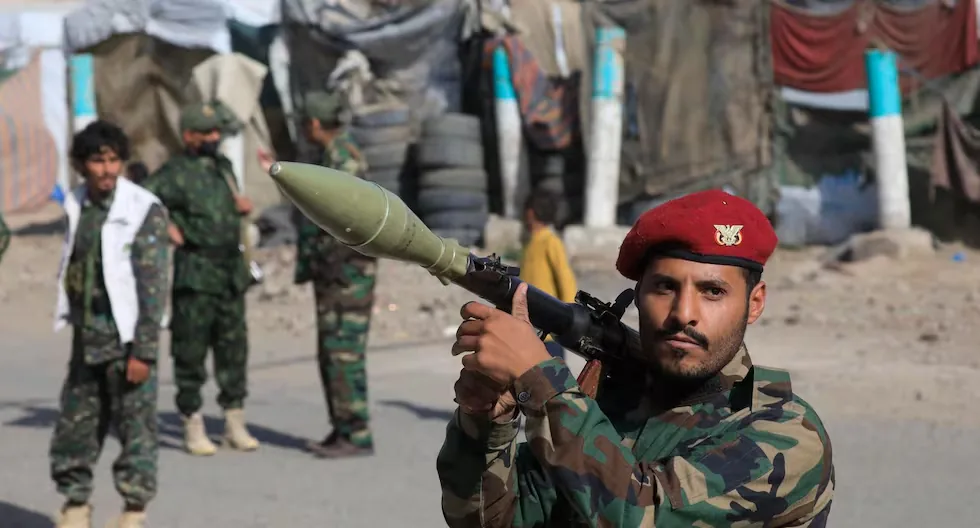
In Yemen, new fighting broke out between government forces and pro-Iranian Houthi rebels, leaving nearly 200 dead since Thursday.