






The Pentagon Inspector General published his first report on the conflict where he states that “the war with Iran has caused strategic shortages in inventories and has revealed bottlenecks in the industrial base for ammunition replenishment,” reported NBC News.
The expression “strategic shortages in inventories” does not simply mean that the U.S. has used many weapons; it refers to the fact that the use during the war has brought strategic inventories to low levels.
In June, the U.S. press had already warned that missile use was being rationed in Iran, particularly interceptors like the Patriot, but President Donald Trump categorically denied it himself.
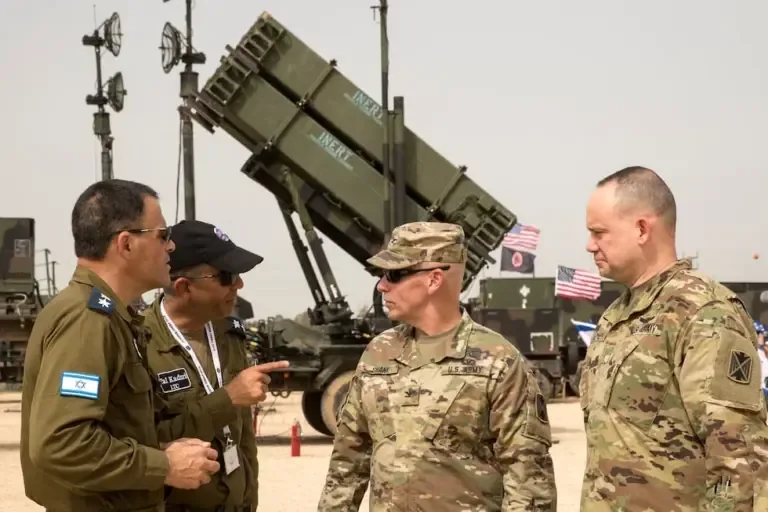
The Pentagon Inspector General’s report concludes that the United States consumed large quantities of ammunition during the campaign against Iran, which began on February 28, and that the U.S. defense industry cannot replenish some of those weapons at the same rate they were used, creating a future availability problem.
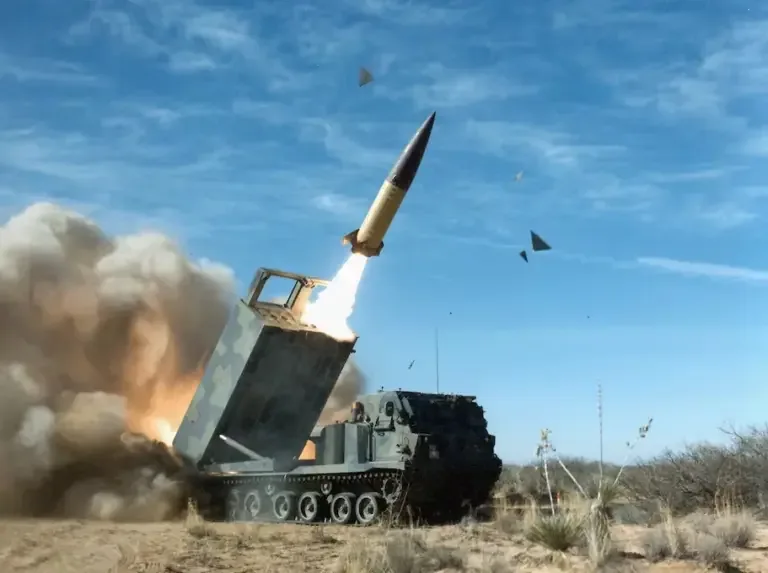
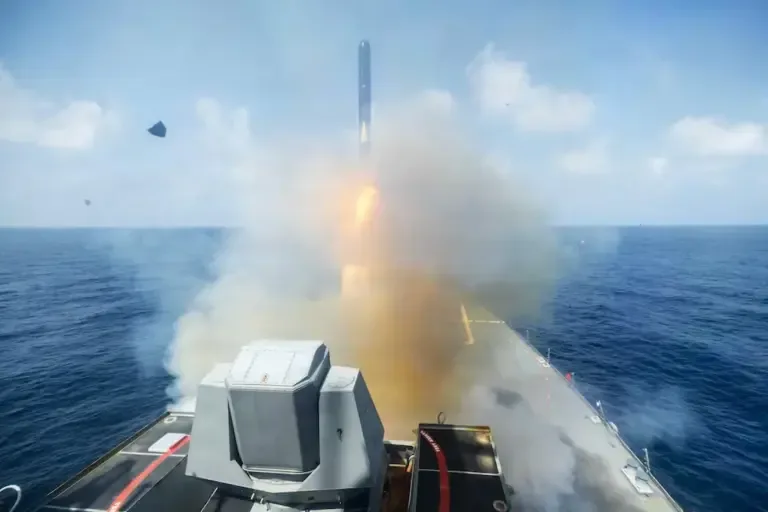
In August, Reuters reported that the military had used “practically all” its global inventories of certain long-range missiles, including ATACMS and PrSM, while a significant portion of the Tomahawk inventory had also been consumed.
The Pentagon oversight body’s report, covering April 1 to June 30, also acknowledged that Iranian attacks damaged and destroyed hundreds of buildings and other structures at U.S. military bases in Kuwait, Bahrain, Qatar, United Arab Emirates, Saudi Arabia, Iraq, Oman, and Jordan.
It notes that the U.S. naval base in Bahrain, a logistical hub for the Navy in the Middle East region, was targeted by Iranian drone and ballistic missile attacks. As a result, the U.S. Central Command had to relocate those functions to much more distant locations, such as Diego Garcia Island in the Indian Ocean.
According to the report, after that decision, logistical cycles of between 14 and 18 days were required to support military operations in the Middle East.
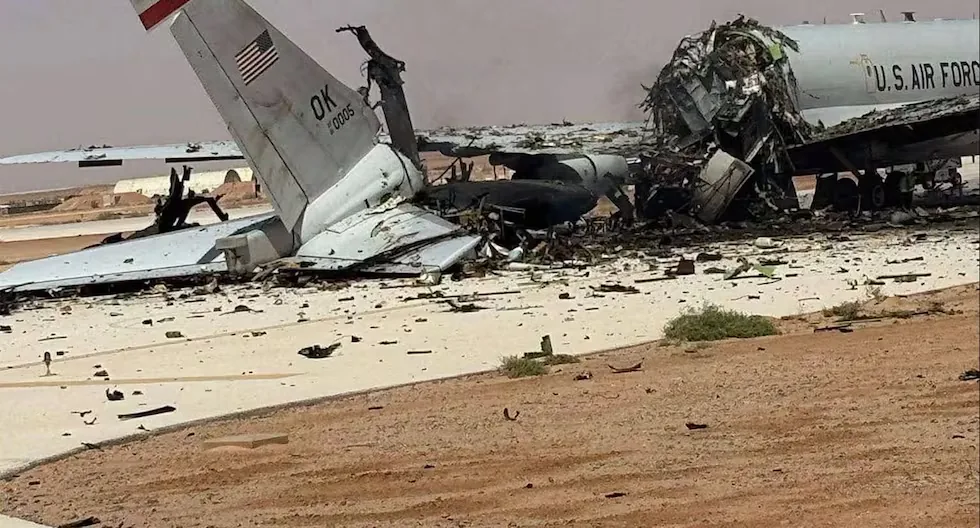
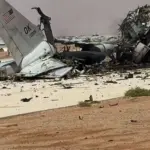
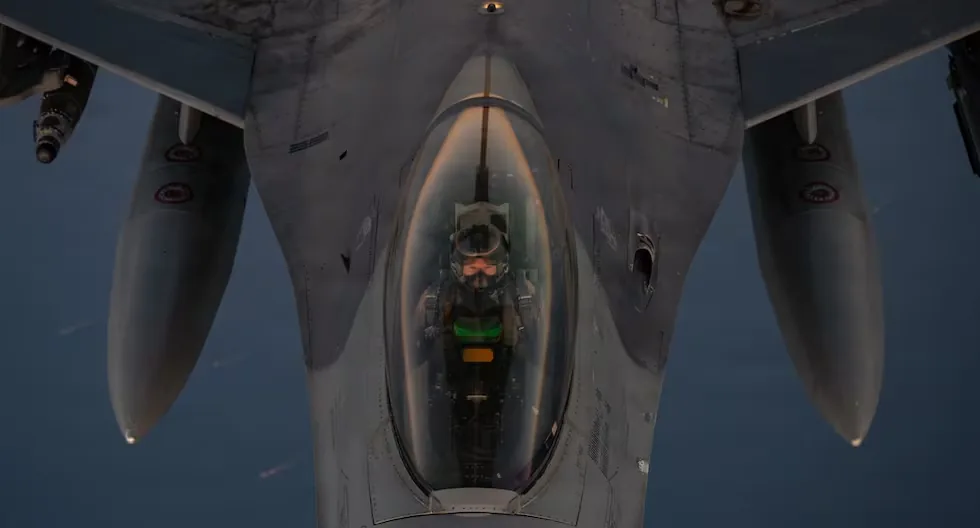
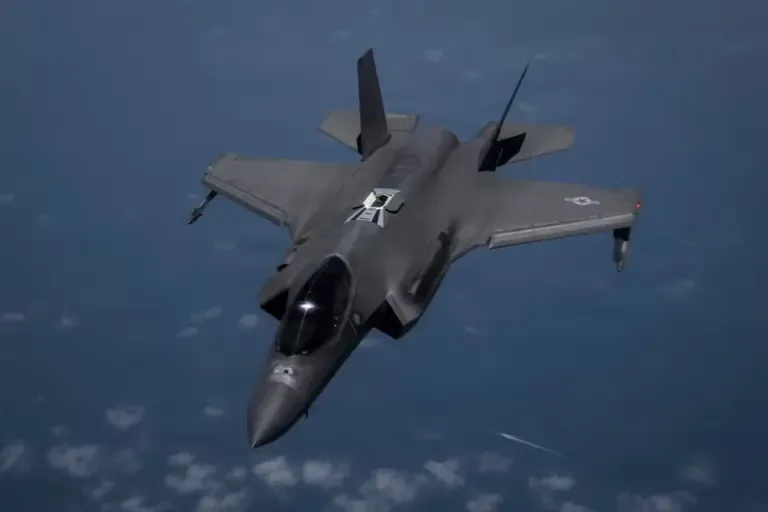
Iran also destroyed or damaged dozens of U.S. aircraft and drones, including 30 MQ-9 Reaper drones, each costing around 30 million dollars. Seven KC-135 tanker aircraft were damaged or destroyed, five of them hit by Iranian munitions while on the ground in Saudi Arabia.
The Pentagon estimated that by June 29, Operation Epic Fury against Iran was costing US$33.4 billion. Of that amount, approximately US$22.3 billion corresponded to munitions used.
El Comercio spoke on the subject with Víctor Pimentel Roque, a colonel in the Peruvian army, specialist in strategy and geopolitics, who recently published an analysis of the war in the Middle East from an operational and strategic perspective.
— The Pentagon acknowledges that the war with Iran has generated “strategic shortages” of advanced munitions. What does this reveal about the cost and consumption rate of weaponry in a modern high-intensity war like Iran’s?
The acknowledgment of “strategic shortages” of advanced munitions reveals that, in a modern high-intensity war, the military cost is not determined solely by the number of forces deployed or the technological superiority of the systems used, but by the capacity to financially and materially sustain the consumption rate during operations. The Iranian case shows that precision weapons, air defense interceptors, and long-range missiles have become strategic resources whose value depends not only on their destructive capacity but also on the availability of sufficient inventories to maintain a prolonged campaign. According to the U.S. Department of Defense Inspector General’s assessment, Operation Epic Fury (OFE) reached an estimated cost of 33.4 billion dollars, of which approximately 22.3 billion were linked to the use of munitions, equivalent to 66.8% of the total expenditure. This distribution highlights a characteristic of contemporary conflicts: a significant proportion of military effort is concentrated on sustaining the flow of consumable weaponry necessary to maintain operational pressure.
Beyond the immediate economic impact, strategic shortages reflect a transformation in how military power is understood. In prolonged conflicts, advantage depends not only on having technologically superior weapons but on having the industrial capacity to keep them available throughout the campaign. There is a significant difference between the time required to use a munition on the battlefield and the period needed to manufacture it again; while a missile can be employed in a specific operation, its replenishment depends on specialized components, certified suppliers, and complex industrial processes. Therefore, modern war can also be interpreted as a competition of sustainment, where the capacity to produce, finance, and replace weaponry conditions the duration of military effort. The Iranian case shows that a power can maintain an initial technological advantage but face strategic pressures when the consumption rate exceeds the normal recovery capacity of its inventories.
Read more The Infinix Note 60 Pro is much more than a phone with tamagotchi aesthetics | Review
— To what extent can the reduction of ammunition reserves affect the operational capacity of the U.S.? Could it force the Pentagon to be more selective with the use of missiles and other precision weapons?
The reduction of ammunition reserves can affect the U.S. operational capacity by limiting the flexibility with which its military commanders can plan and sustain simultaneous operations in different strategic scenarios. In a high-intensity war, the availability of weaponry not only determines immediate attack or defense capacity but also operational decision-making freedom in the face of new contingencies. When inventories decrease, the problem is not only the number of missiles available but the need to manage military resources whose replenishment may require prolonged periods. Systems such as air defense interceptors, precision missiles, and long-range weapons have high strategic value because they allow decisive effects with less force exposure, but their continuous use requires careful evaluation of when, where, and against which targets it is convenient to use them. The analysis of the Iranian conflict shows that pressure on inventories can reduce the maneuvering margin of military planners due to the need to maintain sufficient reserves to respond to future scenarios.
In this context, the U.S. Department of Defense might be forced to develop a more selective employment policy for its highest-value munitions, not as a reduction of capabilities but as a doctrinal adaptation aimed at maximizing the military effect obtained from each system used. This implies prioritizing targets where an advanced munition generates a significant operational advantage and complementing its use with other resources such as electronic warfare, unmanned systems, and intelligence capabilities that reduce unnecessary consumption of costly weaponry. The recovery of certain inventories used during an intense campaign can take between one and four years, depending on the system type, industrial availability, and production expansion capacity.
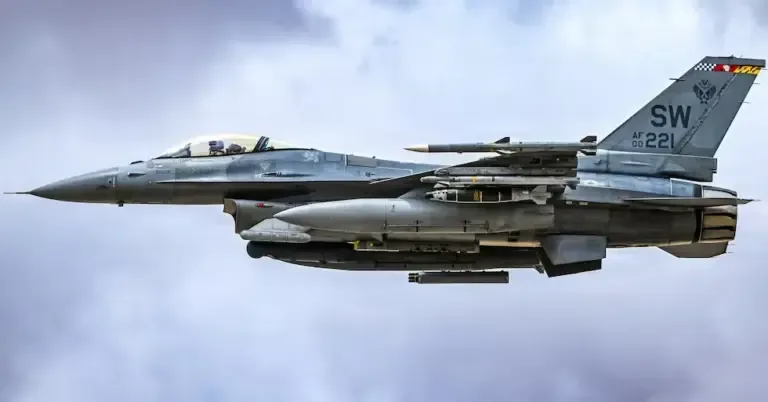
— The report also talks about bottlenecks in the defense industry to replenish used munitions. Why does the U.S., despite its enormous industrial and technological capacity, have difficulties quickly recovering its reserves?
The U.S. difficulties in recovering its ammunition reserves are not due to a lack of technological or financial capacity but to the particular characteristics of its defense industrial structure. Over recent decades, the U.S. military industry has been mainly oriented toward producing highly technologically complex and lower-volume systems, prioritizing precision, technological efficiency, and qualitative superiority over sustained mass manufacturing. However, a high-intensity war changes this logic because it requires maintaining constant production of missiles, interceptors, and precision munitions over prolonged periods. The manufacture of these systems depends on a complex network that includes specialized suppliers, advanced electronic components, rocket engines, explosives, sensors, certification processes, and highly trained personnel. For this reason, increasing production does not depend solely on allocating more economic resources but on recovering installed physical capacity, expanding manufacturing lines, and strengthening suppliers who in some cases have limited expansion capacity.
An additional factor is the dependence on international supply chains linked to strategic materials necessary for advanced military industry. The manufacture of guidance systems, electronic components, and precision technologies requires critical minerals and rare earths whose global production is concentrated in few actors, especially China, which maintains a dominant position in several of these resources. This dependence introduces a geopolitical dimension to the industrial problem because trade restrictions, diplomatic tensions, or supply disruptions can affect the capacity to rapidly expand U.S. military production.
— How vulnerable would the United States be if after the war with Iran it had to face another high-intensity conflict, particularly against China in the Indo-Pacific? Could the ammunition problem become a strategic limitation?
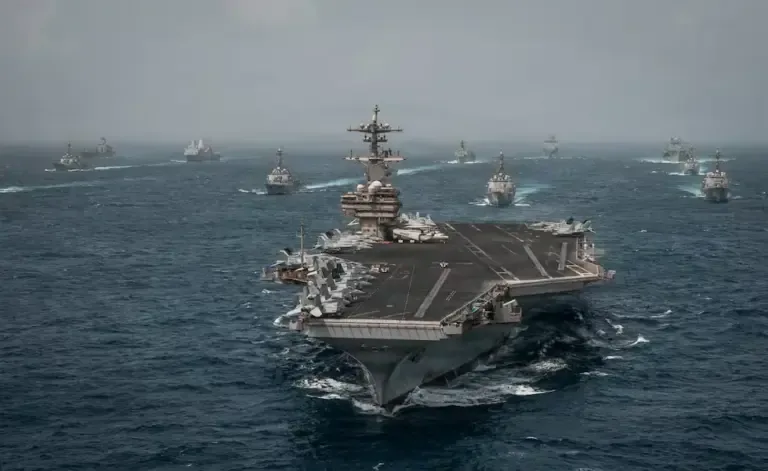
The experience of the war with Iran shows that the main vulnerability of the U.S. in a potential high-intensity conflict with China would not be determined by an immediate loss of technological superiority but by the capacity to sustain prolonged operations on a large scale. A confrontation in the Indo-Pacific would have different characteristics from the Iranian conflict due to the geographic extent of the operational theater, the importance of maritime dominance, and the need to employ large quantities of long-range systems, anti-ship missiles, air defense, and precision munitions. In this context, the availability of sufficient reserves is a strategic factor because it influences military planning, resource allocation, and the U.S. capacity to maintain simultaneous operations in different theaters. The shortages identified after the campaign against Iran do not mean that the U.S. lacks military capacity but show that a prolonged war can generate tensions between immediate operational consumption and the need to conserve resources for other international scenarios.
Against China, the challenge would not only be comparing military platforms or available technologies but determining which actor can sustain the required war effort longer. In a great power competition, factors such as arsenal depth, industrial capacity, advanced logistics, and supply chain security gain increasing strategic value. Moreover, U.S. dependence on certain critical minerals and rare earths used in electronic systems, sensors, and military technologies introduces an economic dimension within the geopolitical competition due to China’s dominant position in several of these resources.
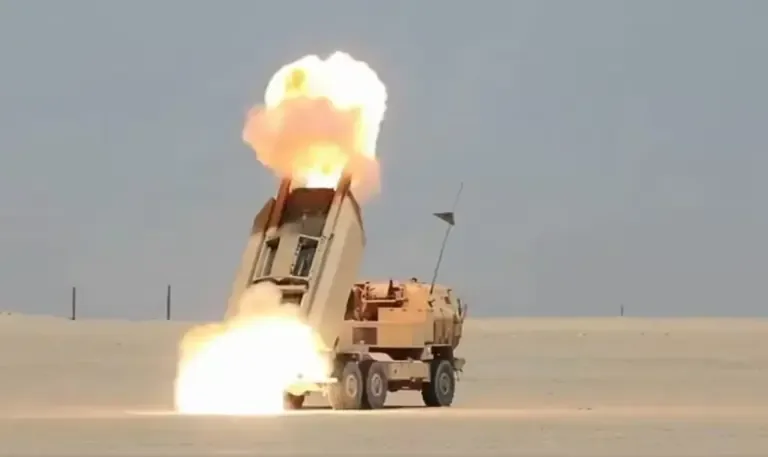
— Are we facing a lesson for future wars: that a power’s technological superiority is not enough if it does not have sufficient reserves and the capacity to quickly produce the weapons it consumes? What should the U.S. change based on what happened in Iran?
The experience of the conflict with Iran shows that technological superiority remains an essential component of military power but alone does not guarantee the capacity to sustain a prolonged war. Future confrontations between great powers will be determined by the interaction between technology, logistics, industrial production, and adaptability. The intensive use of precision missiles, interceptors, and advanced systems demonstrates that having highly technologically complex platforms allows initial advantages, but those advantages can diminish if the defense system lacks adequate mechanisms to maintain the flow of resources during an extended campaign. In this sense, “strategic shortages” do not only represent an inventory problem but a signal about the need to review how military sustainment is organized in scenarios where weapon consumption can exceed traditional forecasts. The Iranian experience shows that a power with superior military capabilities needs to integrate combat capabilities with a logistical structure prepared to absorb the wear of high-intensity operations.
Based on this experience, the U.S. should direct its adjustments toward a defense model based on greater industrial resilience and military regeneration capacity. This implies not only increasing ammunition reserves but strengthening distributed production, securing critical supply chains, expanding industrial agreements with allies, and ensuring the availability of strategic components necessary for advanced systems. Contemporary military competition also incorporates an economic and technological dimension, especially due to international dependence on critical minerals and rare earths used in electronic components, sensors, and precision systems, where China holds a relevant position within the global supply chain. Therefore, the strategic lesson from Iran is that future military power will depend as much on the quality of its systems as on the national capacity to sustain them when conflict wear increases.
Read more Los Tolines arrive in Lima for the first time to present their show “Chisti Raymi”