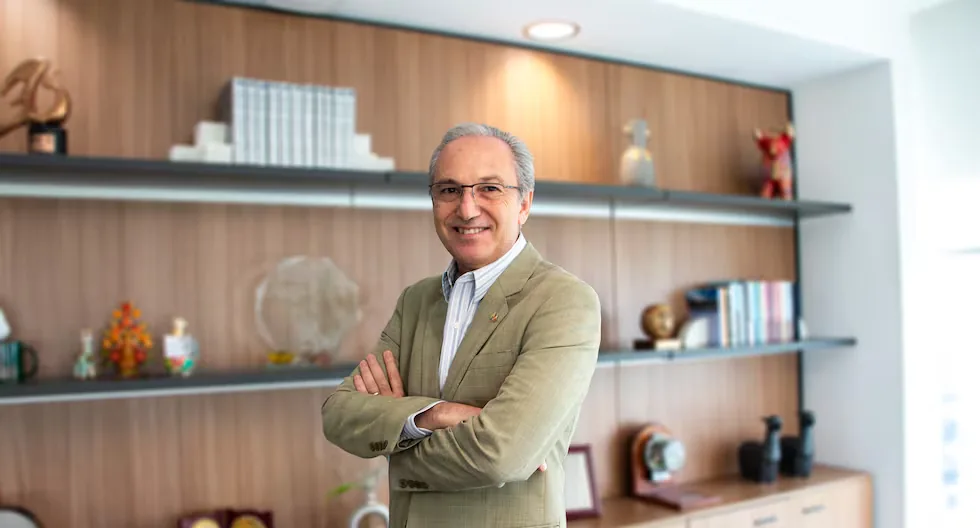









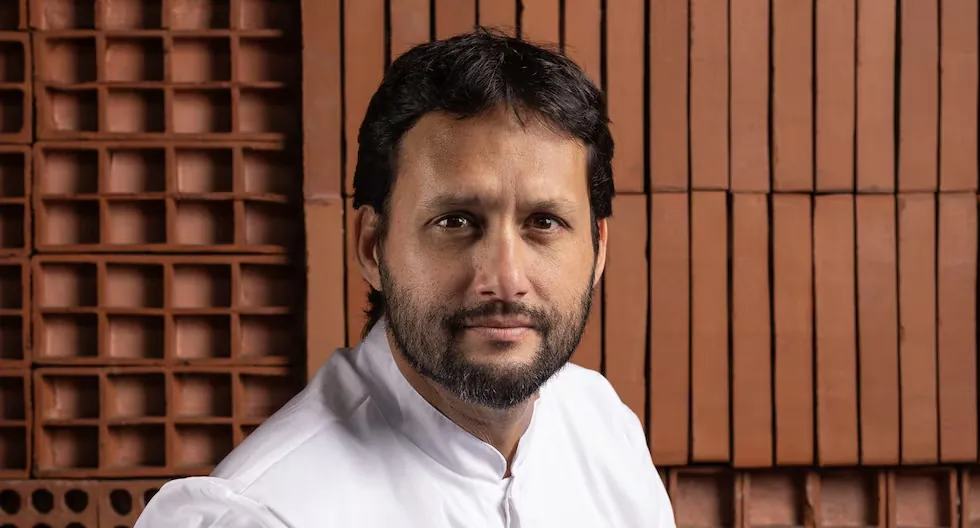
The chef and entrepreneur assures that the group will close 2026 with a growth of between 25% and 30% in revenue, driven by the consolidation of its brands and new operations in international markets.
Read more The public race returns to the Palace
“Mayta is always the ‘flagship’ and the restaurant where all ideas are born,” says Pesaque. The brand, ranked among the 50 best restaurants in the world, now coexists with Sapiens, 500 Grados, Mad Burger, and Callao, as well as operations that the group develops together with international partners.
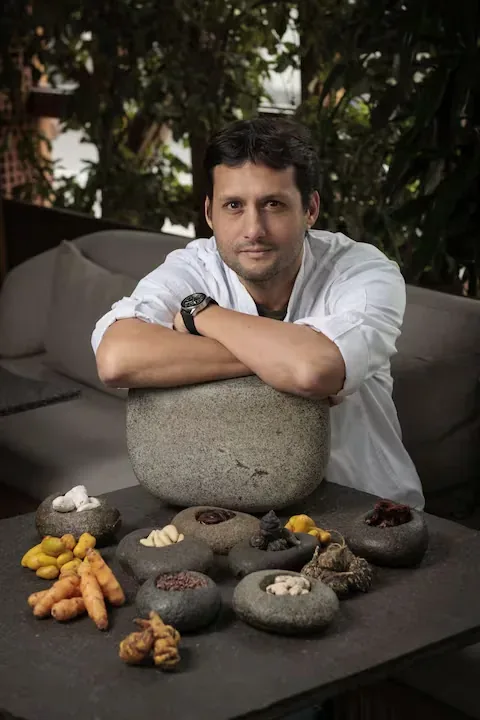
During this year, the group added two restaurants at Jorge Chávez airport together with the French group Lagardère Travel Retail: Callao and Kira. In addition, the contract with Four Seasons in Miami was renewed to continue with Nuna, their Nikkei proposal.
Expansion also reached the ghost kitchen format. Mad Burger opened a dark kitchen in San Borja, while the group is preparing new projects outside the country.
“The smartest thing now is to continue incorporating and growing the Nikkei brands we have for abroad,” says Pesaque.
The entrepreneur considers that this proposal has an advantage in international markets as it combines Peruvian products and techniques with flavors and resources from Japanese gastronomy. That combination, he says, is finding better reception outside the country.
United States and Middle East among the priorities
The United States appears as one of the markets of greatest interest for the group. Pesaque highlights the size of the country and, above all, that each state can represent a market with different dynamics.
The bet is not limited to North America. The group also looks towards the Middle East, where it identifies opportunities in markets such as Dubai, Doha, Bahrain, and Saudi Arabia. Chile, Argentina, and Colombia appear as other markets of interest due to their proximity and the potential observed for Peruvian gastronomy. “Each market has a different flavor and consumption nuance,” he explains.
That adaptation is part of the strategy. A concept that works in Lima does not necessarily have the same potential in another city, so the group evaluates which format and proposal can fit better in each destination.
International expansion contemplates both the development of own restaurants as well as franchises and partnerships with local operators.
The operator is key to going abroad
Taking a Peruvian brand to another country does not depend solely on having an attractive gastronomic proposal. For Pesaque, one of the main success factors lies in finding an operator who knows the market and can manage the business locally.
The group seeks to maintain control over the concept, recipes, kitchen, marketing, and talent training, while the local partner takes care of the operation. “Your success is mine,” summarizes Pesaque when explaining the franchise model they have been developing.
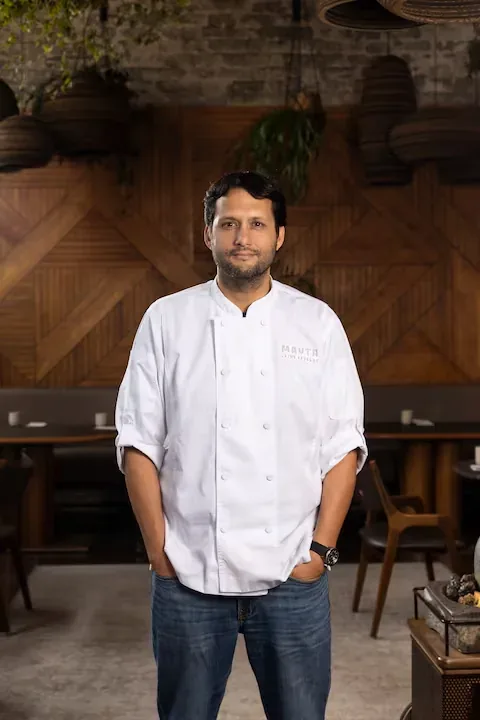
The logic also allows hotels or operators to request specific concepts. In those cases, the group can create a new brand adapted to the space or audience, without losing the essence of its proposal.
In the next two years, the goal is to maintain this pace of international expansion, with the possibility of adding new operations in airports and continuing to develop franchises of Mad Burger and other brands.
Among the projects already underway is a new operation in the United States and a restaurant in the Baccarat Hotel in the Maldives, scheduled for the end of this year or early next year.
A restaurant in the United States can cost twice as much
Internationalization also implies assuming a significantly higher cost structure. Pesaque estimates that opening a restaurant in the United States can cost approximately twice as much as doing so in Peru.
Read more El Niño Phenomenon: How will State investment be distributed to face disasters during 2027?
The main factors are rents and labor costs, as well as a more complex operational structure. The entrepreneur points out that the recovery period can be similar to that of Peru — around four years on average — but on a much larger investment.
“A restaurant that recovers its money in two or three years is quite good because nowadays there is a lot of competition,” he says.
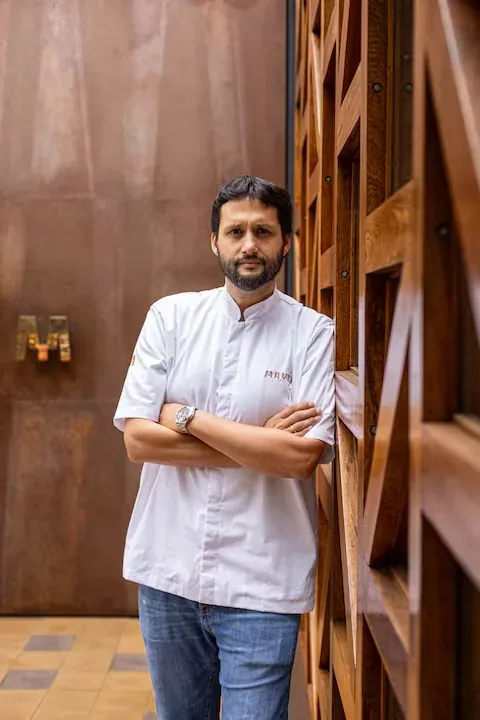
Added to this is the increase in input costs. According to Pesaque, since before the pandemic these have risen between 25% and 30%. However, the group has not passed all that increase on to the consumer. Around 15% of the cost increase has been passed on to prices, while the rest has had to be absorbed by the company with greater efficiency.
“When you are tied hands and cannot do more with prices because you want to be competitive, what you want is to be as efficient as possible,” he says.
The challenge could intensify with the El Niño phenomenon. A possible lower availability of certain products and the increase in prices of some inputs would again force the group to absorb part of the impact.
More formats, but without losing the essence
The diversification of brands has been a characteristic of the group. Mayta moves in haute cuisine; 500 Grados, around fires and wood-fired cooking; Sapiens explores embers and ancestral techniques; Mad Burger bets on hamburgers; and Callao offers a marine proposal inspired by Peru.
Pesaque, however, does not define this diversity as a strategy designed exclusively to reduce risks. For him, versatility was born organically and from the possibility of exploring different gastronomic concepts.
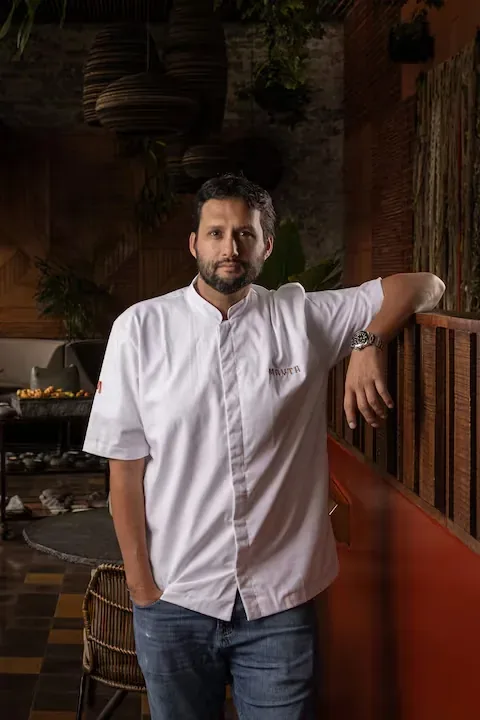
The entrepreneur recognizes that this variety also ended up becoming a business advantage: it allows developing restaurants with different tickets, formats, locations, and hospitality experiences. “I also became a chef-entrepreneur,” he recounts about the evolution of his career.
That change also led him to modify the way he runs the business. Today he considers it essential to surround himself with people specialized in the different areas of the organization.
The consumer keeps going out to eat
Despite the increase in costs and a scenario marked by political uncertainty, Pesaque assures that the average ticket of his restaurants has remained relatively stable and that, after the pandemic, it has even increased slightly.
Elections can generate some caution in consumption and also affect tourism, he acknowledges, but he considers that going out to eat continues to be an activity that is part of consumers’ habits.
The group’s strategy, in that context, is to maintain competitive proposals. The bet is not to develop high-priced restaurants, but concepts that can reach a broad audience.
The opportunity opened by The World’s 50 Best
The holding of The World’s 50 Best Restaurants ceremony in Peru represents for Pesaque an opportunity that transcends Mayta and the gastronomic industry itself. The entrepreneur hopes that the event generates greater flow of tourists interested in gastronomy and has a positive effect on hotels, restaurants, tourism, and other sectors linked to the visitor experience.
For Mayta, it will also mean receiving professionals and international sector leaders. “What we have to do is be very responsible in delivering the best possible hospitality of our restaurants,” he points out.
He adds that the expectation is that the country can take advantage of the international exposure to strengthen its positioning as a gastronomic destination.
Read more What happened to Al Qaeda after 9/11? This is how the terrorist group changed in 25 years
- From suppliers to allies: the initiative that seeks to strengthen SMEs from large companies
- El Niño phenomenon changes the offer and puts cevicherías to the test: faced with more expensive fish, how do they adapt to not drown their costs?
- Four-legged revolution: this is how the market for pet insurance, pet-friendly places, and the new ‘pet’ logic in real estate grows