









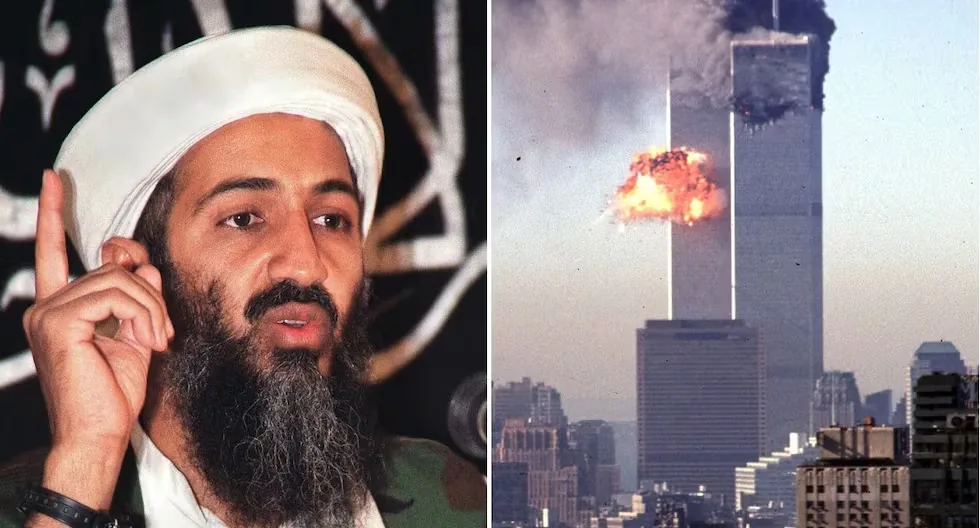
Al Qaeda, the base in Arabic, was born in August 1988, after a series of meetings held in Peshawar, Pakistan. It emerged almost at the end of the Afghan war against the then occupying power Soviet Union, where Bin Laden had participated on the side of the Afghan mujahideen.
Read more AfD makes history in Germany: what explains its dizzying rise and what comes next?
In its early days, Bin Laden conceived Al Qaeda as a computer database to register and document the thousands of mujahideen fighters. It detailed who survived, who died, and what economic resources they received. The ultimate goal was to leverage that structure of already militarily trained Arab and international volunteers to expand jihad on a global scale, once the Soviets withdrew from Afghanistan, which happened in 1989.

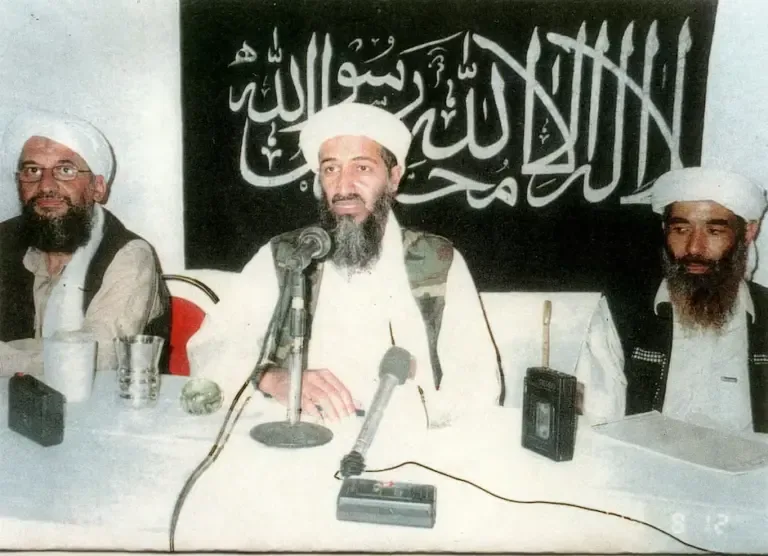
Before 9/11, Al Qaeda was a much more structured and hierarchical organization than is commonly thought. Bin Laden was the emir and highest authority, while the Egyptian Ayman al Zawahiri, leader of the Egyptian Islamic Jihad, became his main lieutenant after the integration of both organizations. Also prominent in the leadership was Mohammed Atef, head of military operations and one of Bin Laden’s closest collaborators.
The organization had a shura or advisory council and different areas responsible for intelligence, military operations, finance, and propaganda. Below that core was a broader structure of collaborators, affiliates, and sympathizers with varying degrees of autonomy. Al Qaeda planned and directed major terrorist operations.
One of the most impactful attacks occurred in 2000, when a boat loaded with explosives detonated alongside the United States Navy destroyer USS Cole, in the port of Aden, in Yemen, killing 17 American sailors.

Bin Laden and his main collaborators also received proposals to carry out attacks against U.S. interests. One of them was Khalid Sheikh Mohammed, who presented the head of Al Qaeda with an idea that would eventually become the 9/11 operation.
When approving a plan, the terrorist group’s leadership provided resources and support to its networks of collaborators, some of which could remain inactive for long periods before receiving instructions.
Regarding money, the image of Bin Laden as a billionaire who simply used his family fortune to finance terrorism is misleading. The U.S. Congressional 9/11 Commission concluded that Al Qaeda mainly depended on a broad network of donations, especially from sympathizers and collaborators in the Persian Gulf, as well as resources channeled through certain charitable organizations and informal financial networks.
Its structure was not only made up of “sleeper cells”, as there was a hierarchical and permanent core, along with trained operational cadres, collaborators, and sympathizers who could maintain some autonomy until tasked with executing a mission. Training camps in Afghanistan also served to select and indoctrinate potential members, of whom only a portion ended up joining the core of Al Qaeda.
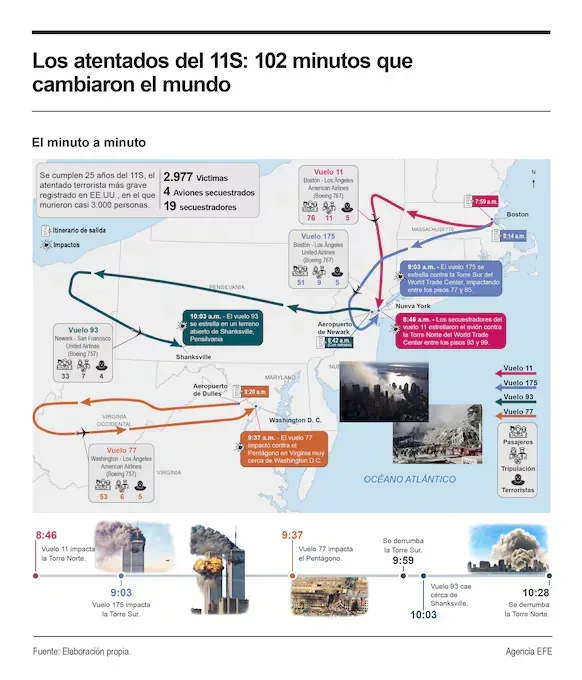
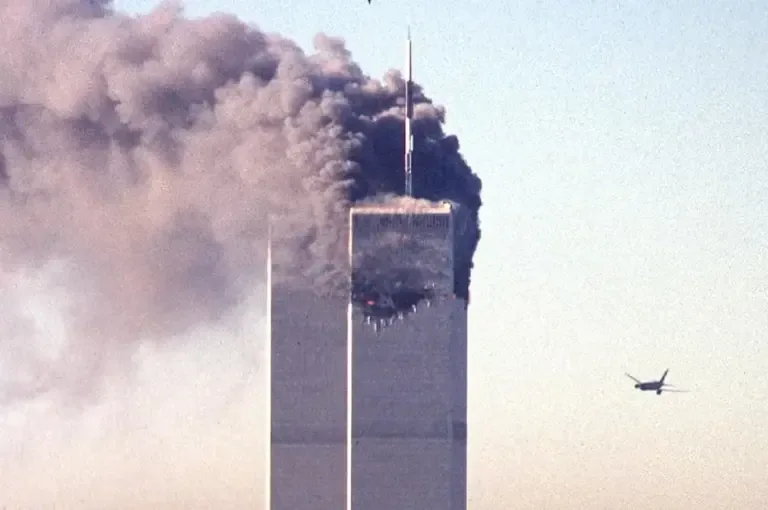
After the 9/11 attacks, the United States launched a relentless pursuit of Bin Laden that led it to invade Afghanistan for nearly two decades.
Bin Laden was located in Abbottabad, Pakistan. The CIA managed to identify the house where he was hiding and, after months of analysis, President Barack Obama authorized the operation to neutralize him.
On May 2, 2011, U.S. special forces raided the house and killed Bin Laden. The United States said it threw his body into the sea.
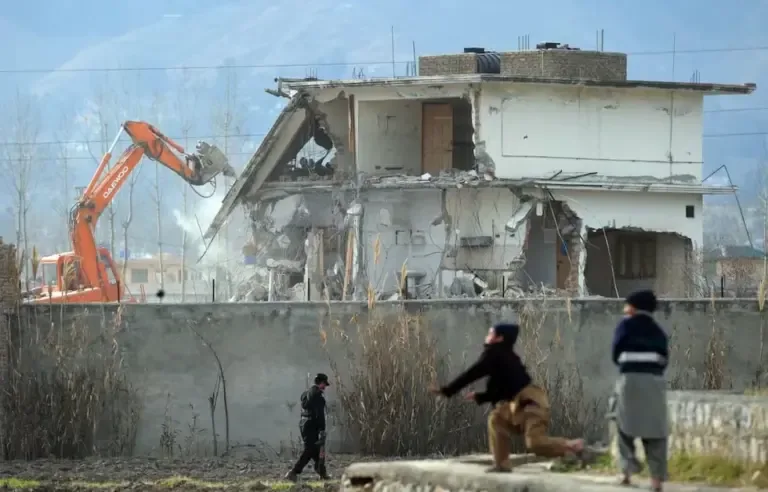
Ayman al Zawahiri assumed leadership of Al Qaeda. He remained hidden for years until the United States managed to locate him in Kabul. He was killed on July 30, 2022 in a drone strike. The operation was authorized by President Joe Biden.
The transformation of Al Qaeda
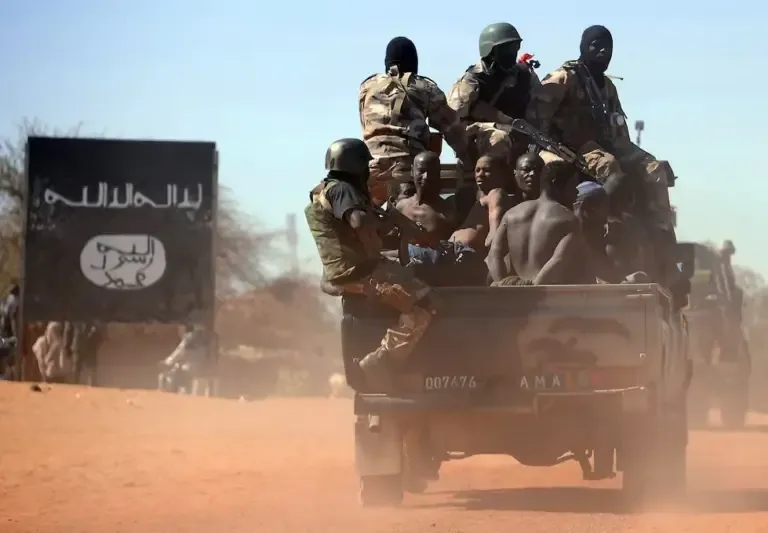
Bin Laden’s death did not mean the end of Al Qaeda. Today it is a more decentralized network that relies on affiliates that have found new spaces for expansion, especially in Africa, where the Sahel is one of its main growth hotspots.
According to this year’s latest analysis from the Armed Conflict Location & Event Data Project (ACLED), in the Sahel the most notable development is Jama’at Nusrat al-Islam wal-Muslimin (JNIM), the main jihadist coalition linked to Al Qaeda in that territory.
In April 2026, JNIM participated in a coordinated offensive in Mali along with Tuareg groups that threatened Bamako, the capital. The UN Security Council described those attacks as one of the largest escalations of the Malian security crisis in recent years, according to the ACLED report.
The analysis indicates that we are not talking about a hidden organization trying to survive, but rather an affiliate that has acquired the capacity to directly challenge a state like Mali.
In Afghanistan, after the withdrawal of U.S. troops in 2021 and the return of the Taliban to power, Al Qaeda once again enjoyed a permissive environment.
In general, its role is limited to providing training and support to other militant groups active in Afghanistan, ACLED reports.
The analysis states that in India, Al Qaeda has shown signs of increasing activity, with a car bomb attack in New Delhi in November 2025. It has also attempted to establish cells in neighboring Bangladesh.
In Pakistan, the organization Tehrik-i-Taliban Pakistan (TTP), known as the Pakistani Taliban, is supported by Al Qaeda. Its threat is mainly local, not transnational, and is directed against the Pakistani state. However, the support of the Afghan Taliban to TTP and another similar group triggered a prolonged conflict between the two countries this year, destabilizing the region.
Read more The Kabbalah of Thursday, September 10: how to play, what time, and results
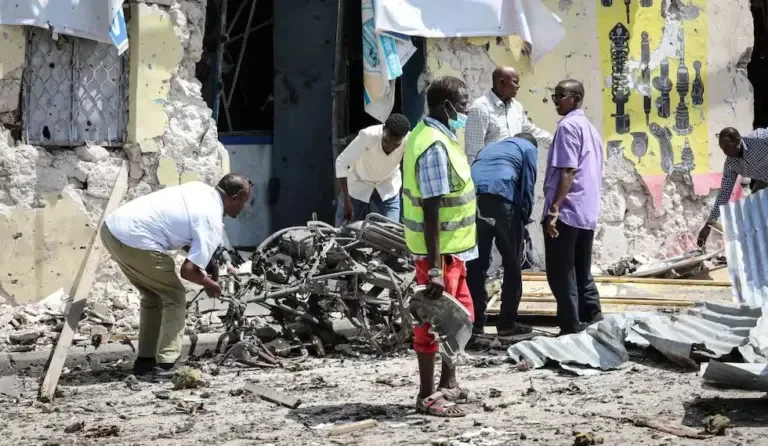
In Somalia, Al Shabaab is the dominant armed group and the most violent Al Qaeda affiliate in the world. ACLED records more than 2,300 incidents of political violence involving it in 2026, representing almost half of all violence involving Al Qaeda affiliates globally this year.
In Yemen, Al Qaeda in the Arabian Peninsula (AQAP) was once one of the most dangerous Al Qaeda affiliates, with territorial ambitions in that country and the capacity to carry out attacks internationally. Today it is considerably weaker militarily but also very difficult to eliminate, ACLED reports.
Where Al Qaeda has lost power is in Iraq and Syria, according to ACLED’s analysis.
In Iraq, the Al Qaeda affiliate led by Abu Musab al-Zarqawi developed a conflicted relationship with the organization’s leadership from the start, gaining greater autonomy. In 2006 it transformed into the Islamic State of Iraq, which under Abu Bakr al-Baghdadi broke with Al Qaeda in 2014, when his ambitions to conquer territory and create a caliphate called the Islamic State clashed with Bin Laden’s organizational strategy.


In Syria, the civil war that began in 2011 allowed Al-Baghdadi to promote the creation of the Al-Nusra Front, but the group ended up clashing with the Islamic State and swearing allegiance to Al Qaeda in 2013. Three years later, it also broke with Al Qaeda and adopted a strategy focused on Syria, later evolving into Hayat Tahrir al-Sham (HTS).
Currently, Ahmed al-Sharaa, who was founder and leader of HTS, is the president of Syria.
Al Qaeda maintains the goal of creating an order governed by its extremist interpretation of the Muslim religion. And in the long term, it wants a global caliphate; however, after losing its central structure and main leaders, the organization has shifted to a much more patient and decentralized strategy, relying on affiliates that exploit conflicts and fragile states, especially in Africa.
Its former goal of expelling the United States from the Persian Gulf was not achieved, as that country maintains a military presence in the Middle East.
9/11 was a great success for Al Qaeda, but also a kind of suicide
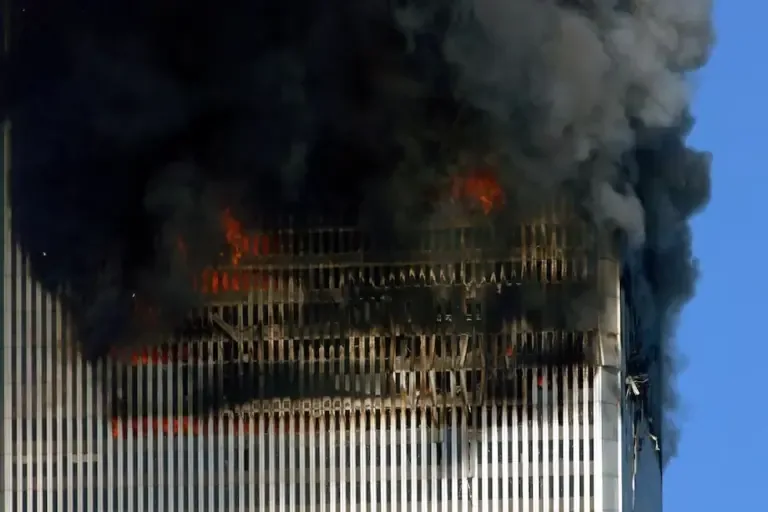
International analyst Roberto Heimovits states that Al Qaeda is no longer the powerful and centralized organization that Osama bin Laden led before 9/11, but it still represents a threat. He considers that the attacks paradoxically marked the greatest success and the beginning of the decline of the terrorist network.
“The September 11 attack was a great success for Al Qaeda, its greatest success from the point of view of an extreme fundamentalist terrorist organization, but it was also a kind of suicide,” Heimovits tells El Comercio.
He recalls that the military response from the United States and its allies caused the death of hundreds of members of the organization, including cadres at various levels, and a decade later Bin Laden, its main figure and the face that largely contributed to the group’s mystique, fell. “You cannot say that this organization is as strong as it was 25 years ago, but you also cannot say it has ceased to be a danger,” he warns.
The analyst considers that the main current risk lies in the capacity of Al Qaeda’s affiliates to exploit the fragility of certain states, especially in Africa.
“The extremist ideology represented by the organization — which later took an even more radical level with the Islamic State — has not gained majority support in the Muslim world,” Heimovits argues. However, “in regions marked by poverty, lack of strong institutions, and absence of expectations, like the Sahel, its affiliates can find favorable conditions to expand. It is possible that one or more Al Qaeda affiliates succeed in taking partial or total control of one of those very impoverished states,” he states.
What would another 9/11 look like?
How close could Al Qaeda be to repeating an attack like 9/11? Heimovits believes that the lessons from that attack were learned by the United States and other potentially threatened countries, and highlights that over the last 25 years the organization has not managed to carry out an operation of comparable magnitude.
But he warns that the technological scenario has changed. “We are in a world of diffusion of both positive and negative technologies,” he says.
The greatest concern Heimovits expresses is the possibility that one of the surviving branches gains access to unconventional weapons. “If any part of the organization that still exists managed to acquire biological weapons, or worse, a rudimentary nuclear weapon, it could carry out an attack that would dwarf the Twin Towers attack,” he warns.
For Heimovits, Al Qaeda has not completely abandoned the goals that guided Bin Laden, but it has modified its strategy. “Part of it has not been abandoned, but another part has,” he explains. Instead of focusing exclusively on attacking Western powers, some of its affiliates have chosen to exploit power vacuums in weaker countries, he insists.
“They consider it much better to try to get into weaker places, like these impoverished African states, than to try to attack Western powers, which are much stronger,” he points out.
Heimovits explains that the case of Syria illustrates how jihadist-linked organizations can modify their strategy to achieve local objectives. He recalls the evolution of the former Al Qaeda affiliate in Syria, which ended up breaking ties with the organization and transforming into a political and military force with government aspirations.
Finally, the analyst warns that there may still be “branches” or “subsidiaries” that maintain an ideology as radical as Bin Laden’s or Ayman al Zawahiri’s and that, if they found the opportunity, could attempt to carry out large-scale attacks.