




![Alberto Beingolea: “If they insist on not giving [the powers], they are complicating life for Peru”](https://insightermedia.com/wp-content/uploads/2026/09/bb3fa9e11304ea13fe2cd333955007bc-150x150.webp "Alberto Beingolea: “If they insist on not giving [the powers], they are complicating life for Peru”")



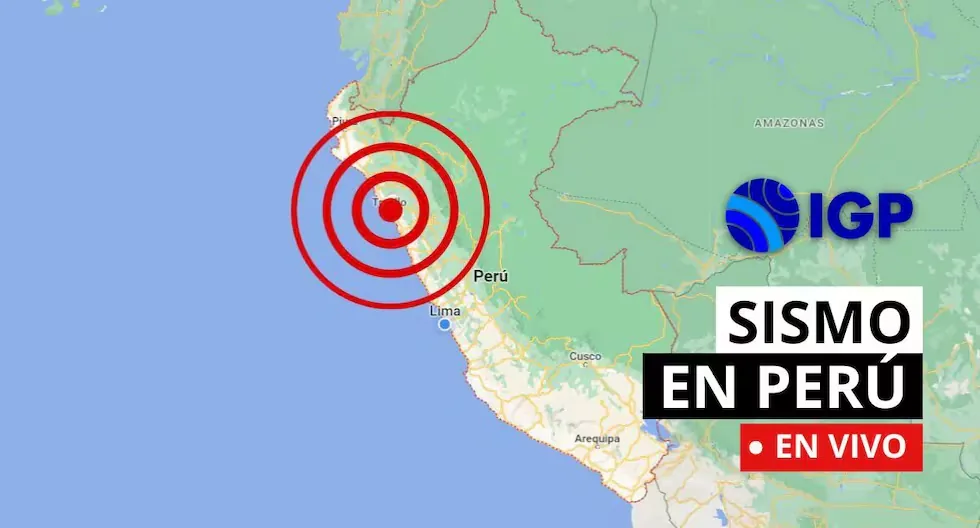
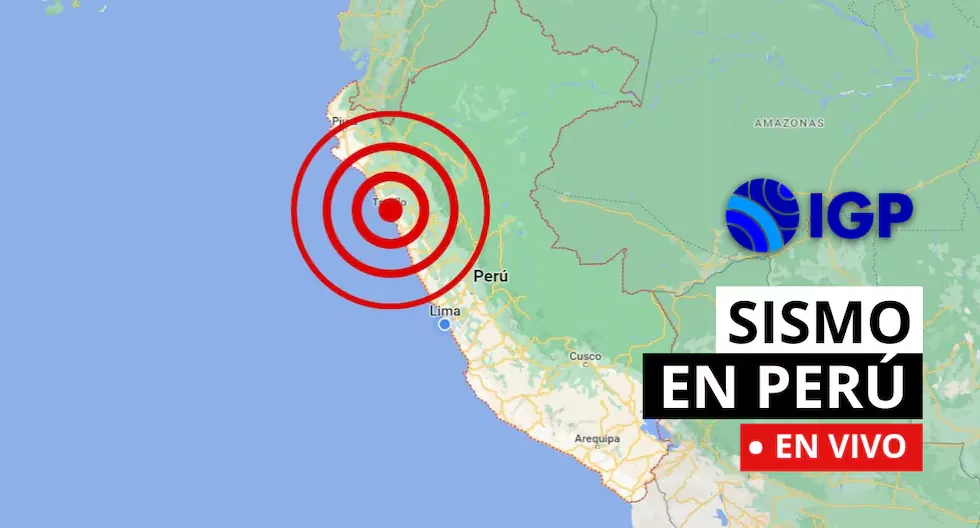
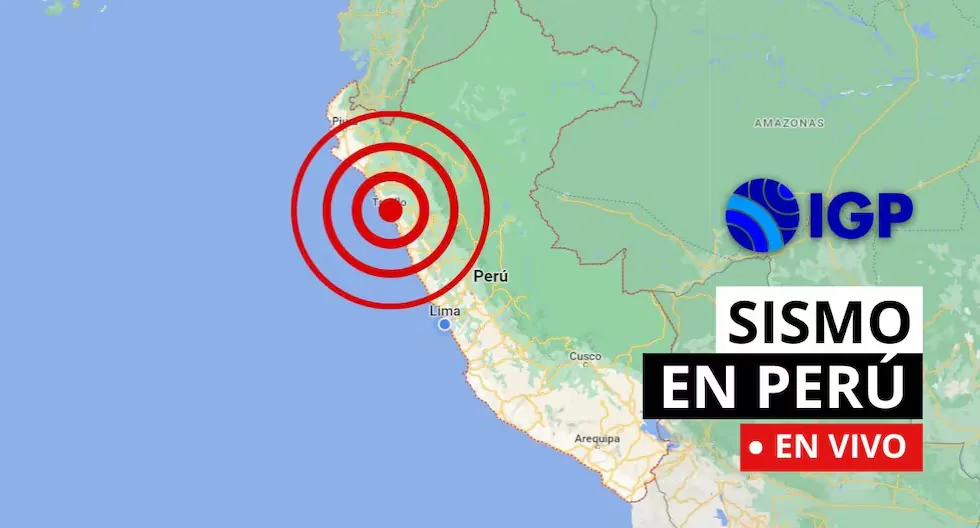
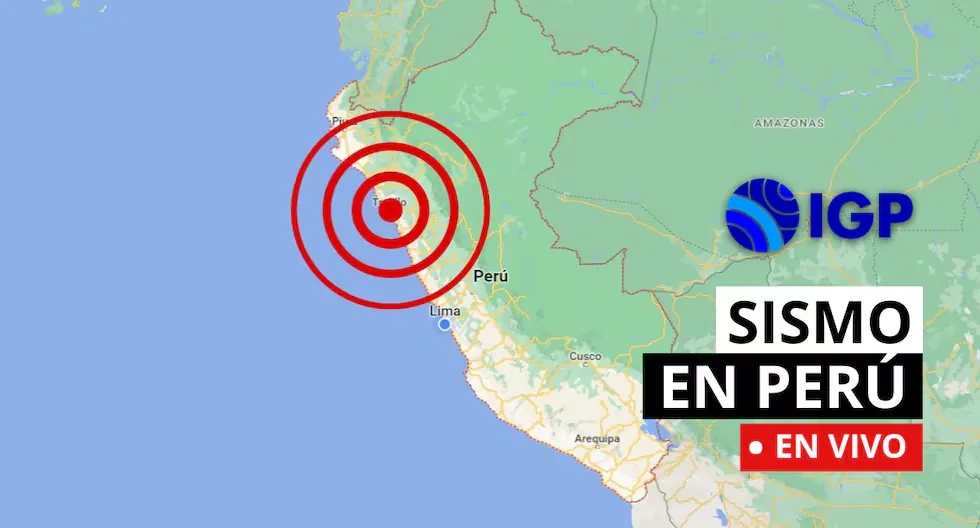
Follow live all seismic movements in the country, according to the reports published by the Geophysical Institute of Peru. Also check news related to this, as well as recommendations in these types of situations.
Earthquake in Peru via the IGP
- Alert-IGP, a system developed by specialists from the Institute to transmit alerts quickly and reliably. Its operation consists of automatically analyzing information from the national seismic network and, when an event meets the established parameters, converting that data into a frequency modulated signal that is immediately transmitted by radio signal. This signal can be received by devices specially designed by the IGP which, when activated automatically, emit an audible alert.
- These devices can be installed in schools, hospitals, shopping centers, and other institutions to integrate into their public address systems. In open spaces, such as urban areas, they can be complemented with amplifiers and speakers installed on rooftops to extend the alert’s reach and reach a larger number of people.
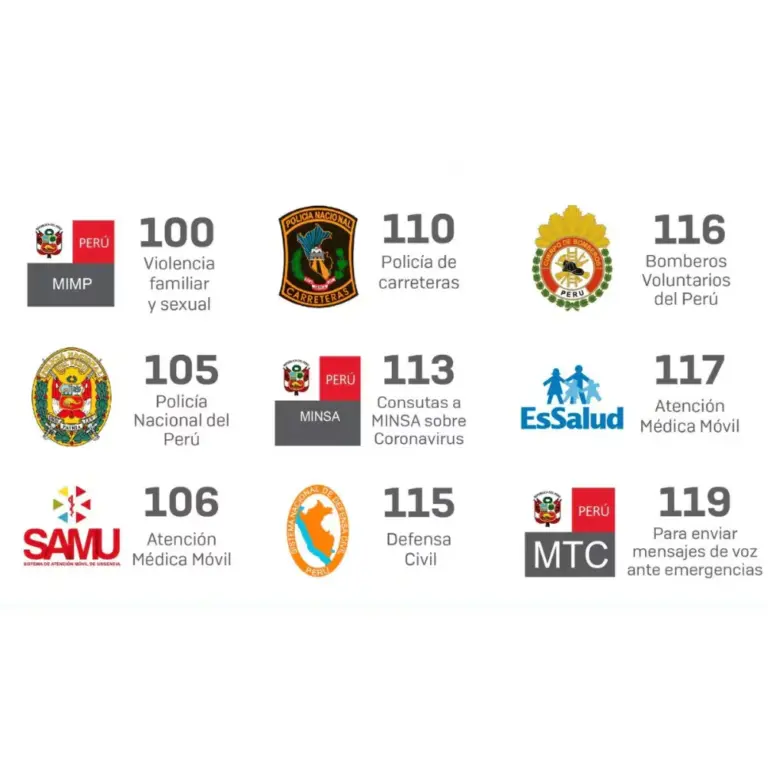
- CHECK AND NOTE THE EMERGENCY ASSISTANCE NUMBERS.
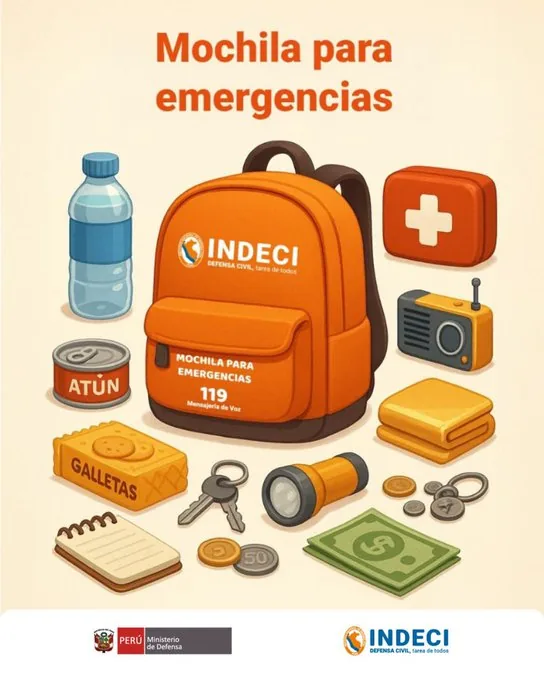
- HOW MUCH SHOULD THE EMERGENCY BACKPACK WEIGH?
- The ideal weight should not exceed 25% of the body weight of the person who will carry it, ensuring a quick and agile evacuation.
- WHAT SHOULD MY EMERGENCY BACKPACK CONTAIN?
• Essential hygiene items
• First aid kit (bandages, gauze, alcohol, pills, hydrogen peroxide, etc.)
• Warm clothing
• Non-perishable food (tuna cans, cereal bars, chocolates, nuts, etc.) and money
• Communication items
• Specific items for babies and infants, for female use, for the elderly, and for other basic needs.
Read more Education in the Age of AI: Challenges in Peru and How Language Learning is Changing
- Learn how to prepare your emergency backpack:
- Remember that each backpack is for every two adults.
- The maximum recommended weight is 8 kilos.
- The backpack is adapted to the needs of each family.
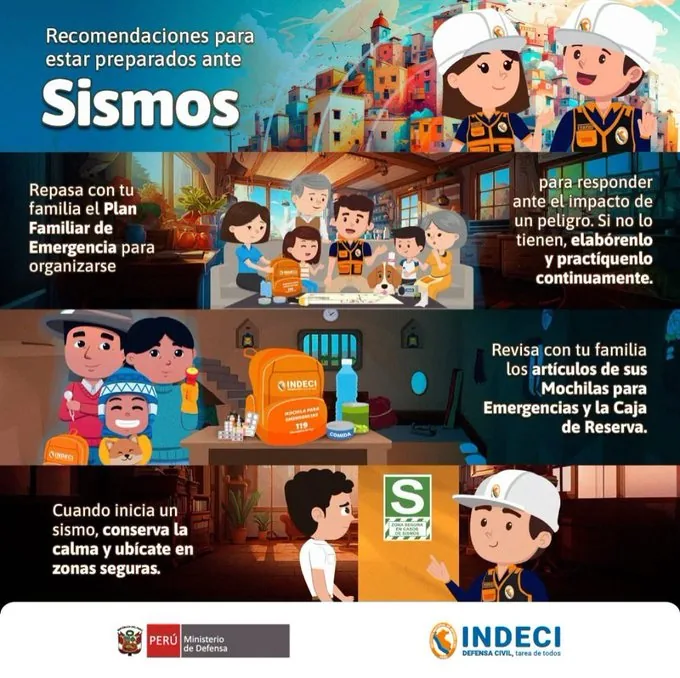
- Preparation recommendations for earthquakes:
- WHAT IS THE LARGEST MAGNITUDE EARTHQUAKE RECORDED BY INSTRUMENTS IN PERU?
- On Thursday, October 3, 1974, an 8.0 magnitude earthquake was recorded in Lima at 9:21 a.m., striking the capital of Peru as well as much of the Peruvian coast to the south. The movement lasted about 90 seconds and resulted in 252 deaths and 3,600 injuries.
- Peru is located in a seismic zone and the occurrence of earthquakes is inevitable. A study by the IGP indicates that there is accumulated seismic energy in the south of the country, which should encourage participation in drills.
- The entity responsible for recording each earthquake in the country is the Geophysical Institute of Peru (IGP). It also provides official information every time an earthquake occurs through its social media accounts.
- HOW ARE EARTHQUAKE DATA OBTAINED IN PERU?
- CENSIS obtains its data from the National Seismic Network (DS-0017-2018MINAM), made up of a series of velocity, acceleration, and displacement sensors distributed throughout the country.
- WHY IS PERU A HIGHLY SEISMIC ZONE?
- Peru is a highly seismic country because it is located within the Pacific Ring of Fire.
Check here the latest records from the Geophysical Institute of Peru on seismic movements in the country.
• La Tinka: results for Sunday, August 16, 2026