




![Alberto Beingolea: “If they insist on not giving [the powers], they are complicating life for Peru”](https://insightermedia.com/wp-content/uploads/2026/09/bb3fa9e11304ea13fe2cd333955007bc-150x150.webp "Alberto Beingolea: “If they insist on not giving [the powers], they are complicating life for Peru”")



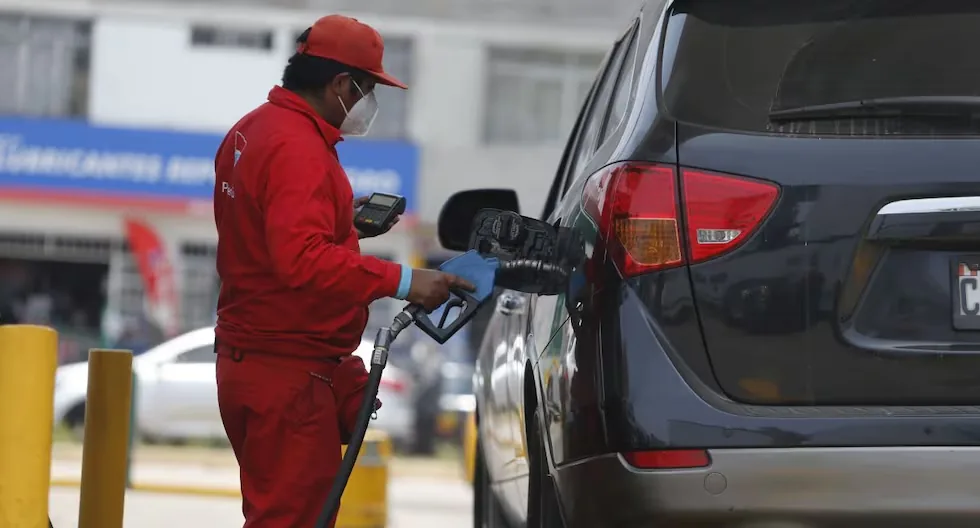
The regulation that mandates the implementation of the Euro 6 standard in diesel, gasoline, and gasohol is at a crucial stage, where Petro-Perú plays a drag role due to its inability to adapt to the new technology.
Read more Check your horoscope for today, Tuesday, August 25: predictions for your sign
As is known, the measure seeks for these fuels to emit a lower amount of sulfur: 10 parts per million (ppm) maximum, compared to the 50 ppm currently in effect.

The mandatory use of Euro 6 technology stems from a Supreme Decree issued by the Ministry of Environment (Minam) in 2021, which established that by October 2024 this standard should be applied to combustion engines for lower pollutant gas emissions.
However, delays in the adaptation of the Talara Refinery by Petro-Perú forced the Ministry of Energy and Mines (Minem) to postpone the application of the regulation until October 2025 and towards the end of 2026.
New extension
Ellioth Tarazona, manager of Technical, Regulatory and Sustainability Affairs of the Automotive Association of Peru (AAP), comments that the automotive sector has requested a new extension of the measure. This is because, he explains, the appropriate fuel is not available at the Talara Refinery, which continues producing fuels under the Euro 4 standard (50 ppm).
“Petro-Perú has not yet made the necessary investments to upgrade its refinery to produce Euro 6,” says Erick García, president of the Energy Security Commission of the Lima College of Engineers.
Arturo Vásquez, research director at Gerens, comments that the Talara Refinery was built complying with the Euro 4 standard, so adapting this infrastructure to produce fuels with the Euro 6 standard would take years.
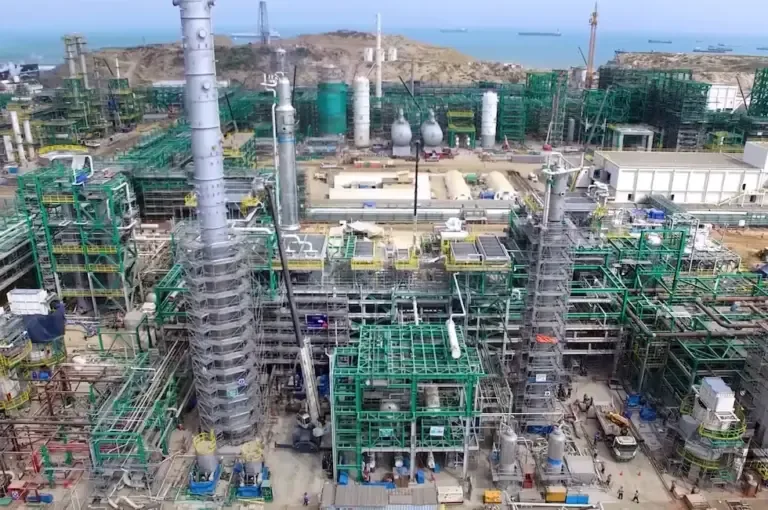
In fact, Rubén Hurtado, senior engineer specializing in hydrocarbons, has gathered information from Petro-Perú itself, where it acknowledges that it has not progressed in the adaptation and would require between 720 to 800 days (2 to 2 and a half years) to be able to produce fuels with 10 ppm (compatible with Euro 6).
This includes the time it would take to organize a tender and the respective work schedule.
In his view, it is inconceivable that one of the most modern refineries in the world (like Talara) is not capable of adapting its operations to produce fuels with 10 ppm, so he requests the Comptroller’s Office to conduct an investigation to determine responsibilities.
Petro-Perú’s dilemma
This dramatic situation has been warned by Pro Inversión, the entity responsible for the patrimonial reorganization of Petro-Perú.
For this reason, the investment promotion agency has requested to extend the deadline for the implementation of the Euro 6 standard in Peru until 2036. And it is because, in its view, the state oil company must prioritize the “fulfillment of the objectives of its reorganization.”
SEE | Hotel chains will invest US$495 million until 2028: which brands are landing and which will expand in the country?
“We estimate that first the new Talara refinery must process 95 thousand barrels per day (today it operates at 60% of its capacity) and adapt its processes to obtain fuels with 10 ppm sulfur content,” indicates Pro Inversión to Día1.
Read more Earthquake in Chile: magnitude of the latest earthquakes reported today, Tuesday, August 25
In that sense, it says it is working to “make the processing of Euro 6 fuels viable in a shorter time.”
Given this situation, with the application of the Euro 6 regulation this year, Petro-Perú risks losing a larger market share to hydrocarbon marketers, who can import fuels with 10 ppm without major difficulty, Vásquez points out.
Repsol, for its part, finished adapting the La Pampilla refinery to the Euro 6 standard in 2024. Asked by Día1, the company indicates it is prepared to produce B5 diesel, gasoline, and gasohol with a sulfur content no greater than 10 ppm.
If the Euro 6 regulation is applied from 2027, Petro-Perú would be forced to import fuels while working on adapting the Talara refinery, Vásquez adds.
Uncertainty
Tarazona points out that the automotive sector is willing to migrate to Euro 6. This, in tandem with what is happening in other countries in the region, since automotive factories have greater complications producing vehicles with Euro 4 engines.
“These are technologies for old factories and they have to stop the production line to produce [this type of vehicles]. The problem that could arise is a shortage of new vehicles,” he says.
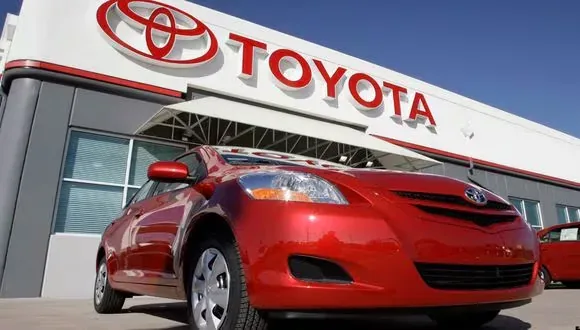
Likewise, Oscar Chero, executive manager of the mobility and corporate affairs division of Toyota Peru, warns that there is uncertainty due to the lack of availability of the appropriate fuel for Euro 6 (10 ppm), which generates instability in the sector.
“Vehicle importation is a process planned years in advance, not something adjusted from one day to the next. Brands are already committed with orders and production schedules looking towards 2027,” he says.
Along these lines, Karsten Kunckel, president of the AAP, stated on Epicentro TV that if the wait is until 2036, there would be no manufacturer sending vehicles to Peru with outdated technology. The demand of this sector is that units with Euro 6 engines can be imported one year after fuels under that standard are marketed.
García considers, however, that the implementation of the Euro 6 regulation alone does not solve the problem of environmental pollution and the age of the Peruvian vehicle fleet.
In his view, this requires complementary measures such as establishing scrappage bonuses, incentives for flexible credit lines, and promoting electrification and the widespread use of natural gas in transportation. The delay in Petro-Perú’s adaptation should be used, he says, to design a comprehensive emissions reduction plan.
Read more 1926: Robbery of a Turkish merchant
- Half of the population at risk from the ENSO is in the north: why and what happens in the rest of the country
- Niubiz plans to connect banks and fintechs with the BCR’s TAPP platform: “We see the opportunity to be a technology provider”