








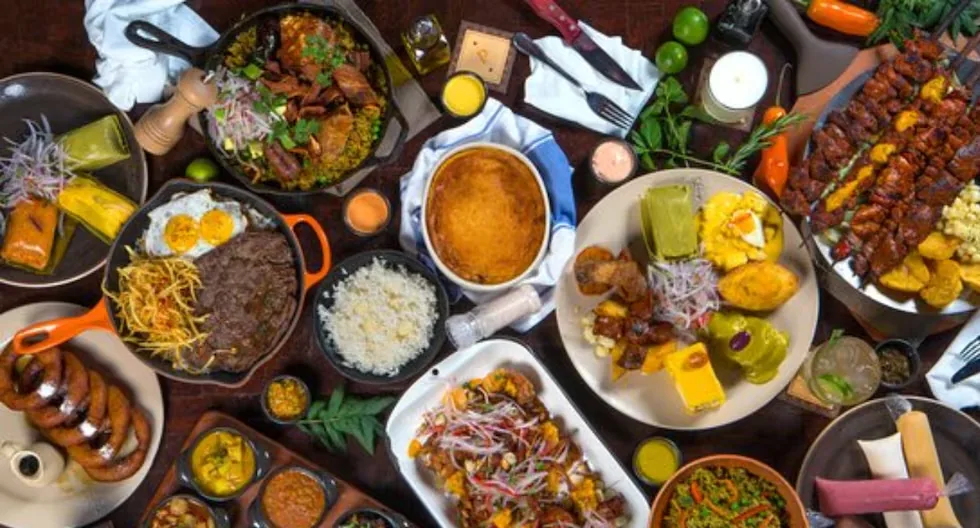
After a first semester with practically no growth in the gastronomic sector, marked by electoral uncertainty and a World Cup that ended up affecting the sector more than expected, restaurants are confident that the Fiestas Patrias (National Holidays) will mark the beginning of consumption recovery. The payment of gratuities, the long holiday weekend, and a more stable political scenario raise industry expectations, which projects sales increases of up to 15%, while delivery platforms expect an increase of over 30% in orders.
“The expectations for the second semester are quite good. All of Peru was anxious about electoral issues. It is expected to be better than last year, and what greatly encourages consumption in restaurants is domestic tourism,” affirmed Blanca Chávez, president of the Association of Hotels, Restaurants, and Related Businesses (AHORA Perú).
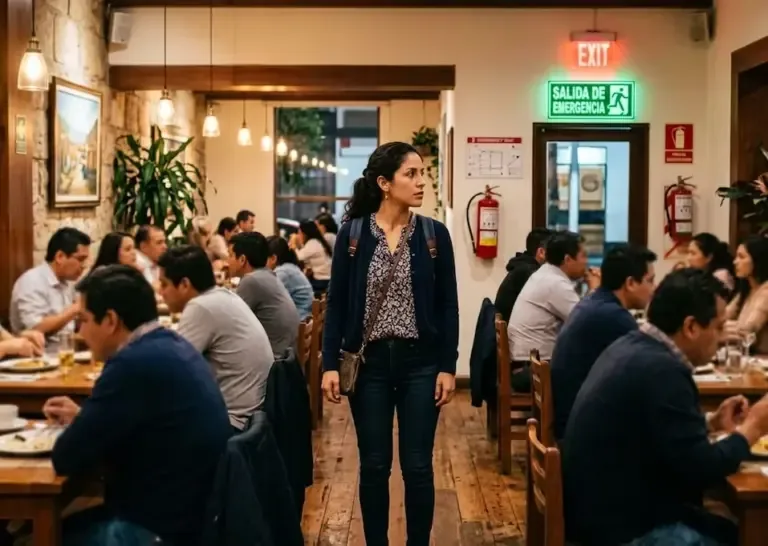
A World Cup that didn’t take off and Fiestas Patrias with optimism
Although the World Cup usually becomes an opportunity for consumption, this time many restaurants failed to capitalize on that increased movement. Part of the demand migrated to delivery, bars, and home gatherings, reducing the influx to traditional establishments. “Football has also tremendously affected our sales, between 25% and 30%. It is common for restaurant attendance to decrease during these seasons,” affirmed Chávez, who is also CEO of El Rocoto restaurant.
This perception is shared by other entrepreneurs. José Antonio del Castillo, owner of Isolina Taberna Peruana, agreed with this diagnosis. “So far, sales are still the same as last year. The World Cup affected us, it always hits a bit, but only from Fiestas Patrias onwards is greater consumption expected,” he commented.
Daniel Manrique, general director of Hacienda MonteRico, has a similar perception, noting that during the electoral situation and the World Cup, they registered a drop of close to 15% in sales and visits compared to the previous year. However, after the elections, a recovery of between 5% and 15% began to be observed.
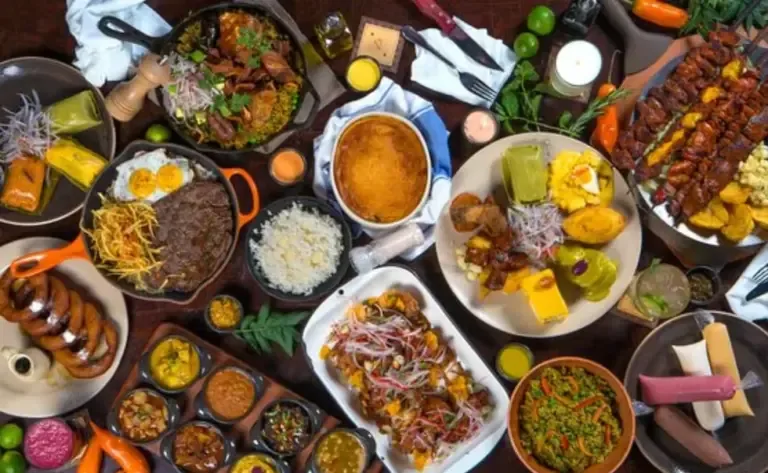
For Juan Pablo Mansilla, founder of Huambra Restaurante, political uncertainty also influenced consumption decisions. “At first, consumers were quite cautious. The context of an election year always generates some uncertainty and curbs spending. However, as the outlook clears, we are already feeling a clear improvement,” he explained.
However, not everyone shares the same level of optimism. Félix Yong, founder of El Chinito, considered that the recovery will be more moderate because the political uncertainty of recent months affected consumer confidence. “The sales expectation is not very encouraging this year. I think it will be lower compared to last year. Furthermore, July no longer behaves as it used to, and the increase in sales usually does not exceed 20%,” he noted.
Restaurants also expect to surpass 2025 results. At Huambra Restaurante, they project growth of close to 25% during the long holiday weekend and a real increase of 4% compared to last year.
“At first, consumers were quite cautious due to the electoral context. However, as the outlook cleared, we are already feeling a clear improvement and a greater willingness in consumption patterns,” explained Mansilla.
At Hacienda MonteRico, they expect to increase their sales by around 10% compared to the previous year. “After the electoral process, an increase in visits is observed both during the week and on weekends,” said the restaurant’s general director, Daniel Manrique.
In the case of El Bolivariano, Armando Calderon, spokesperson and administrator of the restaurant, commented that they expect growth of up to 10% compared to last year. “There is usually an additional contraction because consumers do not receive additional money during September, but we hope the economy recovers soon,” he explained.
La Leña also projects a 15% growth compared to last year’s campaign and expects to serve about 11,000 people in its 22 locations during the celebrations. “We are preparing menus, family combos, and reinforcing our delivery operation to cover the increased demand,” said Víctor Advíncula, general manager of the chain.
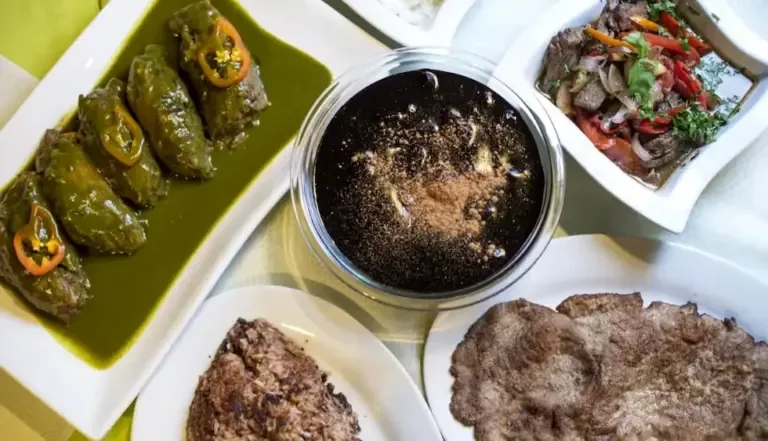
At La Pollerona, they foresee growth of between 15% and 20% for Fiestas Patrias compared to last year. “Fiestas Patrias consumers share more and look for options with a good relationship between quality, experience, and price. Our goal is not only to sell more; it is to sell better and profitably,” affirmed Javier Lizarzaburu, deputy general manager.
For Pollívoro, the campaign will also be positive. “This year, with the political issue settled, we believe that consumption will surpass last year’s, although it will depend a lot on the profile of each area, because some consumers will travel and others will stay with family,” commented Roberto Mamani, CEO of the chain.
Read more ESPN: how to watch Boca Juniors vs. O’Higgins for the Copa Sudamericana 2026 playoffs
Optimism also extends to grill proposals. At Fuego restaurant, they estimate that sales will grow around 5% compared to last year’s campaign. “We are launching new products especially for Fiestas Patrias, even in alliance with Peruvian wine suppliers,” commented Mario Kiyohara Kamado, general manager of the chain.
The delivery sector anticipates one of the best months of the year
Delivery platforms also expect a particularly dynamic campaign. PedidosYa projects that during the central days of Fiestas Patrias, orders will grow more than 30% compared to last year and more than 25% compared to a typical week.
“July is no longer focused solely on the 28th and 29th. Today we understand the month as a sequence of consumption occasions: gratuities, football, Pollo a la Brasa Day, travel, and family gatherings,” explained Bernardo Portugal, commercial director of PedidosYa Perú.
The company also estimates that the average ticket will increase by around 10%, driven by group orders and more complete purchases.
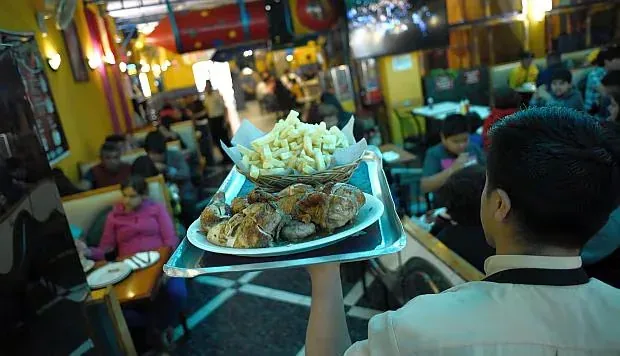
Rappi, for its part, projects an increase of close to 35% compared to a typical weekend. The platform anticipates that the most demanded categories will be criolla food, pollo a la brasa, and hamburgers, while in Turbo, purchases of beers, meats, snacks, ice, and products for home gatherings will grow.
Meanwhile, Douglas Quesada, senior communications manager for DiDi in Peru, mentioned that they expect to increase their orders by more than 10% compared to last year thanks to free shipping promotions in categories such as Peruvian food, chicken, wings, and sushi.
A second semester with greater optimism
Although August and September are usually months of less dynamism for the sector, entrepreneurs believe that the outlook for the second half of the year looks more favorable.
Huambra expects to consolidate greater consumption thanks to political stability. “We are confident that consumption will continue to rebound, and we hope that the country consolidates a framework of greater stability,” said Mansilla.
AHORA Perú also believes that, after a slight slowdown in August due to increased household spending during July, the second semester should show better performance than the first half of the year.
However, despite the optimism, the El Niño phenomenon continues to be the main risk factor for the sector.
The consulted restaurants agree that they are not yet facing supply problems, although they are especially monitoring the behavior of fruits, vegetables, lemons, and seafood. “There is concern about the supply of vegetables and fruits,” warned Chávez.
At El Bolivariano, they are also closely observing the evolution of agricultural products from the north and the prices of fish and seafood.
For now, restaurants like Huambra and Hacienda Monterrico claim to have managed to absorb cost variations through better purchasing management, although they acknowledge that the last quarter could bring greater pressure on inputs.
Read more “El Comercio” at FIL Lima 2026: find our new collection of board games in alliance with Devir
- Chicken restaurants drive one of the largest chains in Peruvian gastronomy: Pollo a la Brasa Day and the World Cup final will boost record sales
- How Levi’s, Heinz, and Gillette turned FIFA’s censorship into their best campaign? The lessons learned from the World Cup’s commercial battle
- El Niño phenomenon could subtract up to 0.8% from GDP growth in 2027, warns IPE