




![Alberto Beingolea: “If they insist on not giving [the powers], they are complicating life for Peru”](https://insightermedia.com/wp-content/uploads/2026/09/bb3fa9e11304ea13fe2cd333955007bc-150x150.webp "Alberto Beingolea: “If they insist on not giving [the powers], they are complicating life for Peru”")


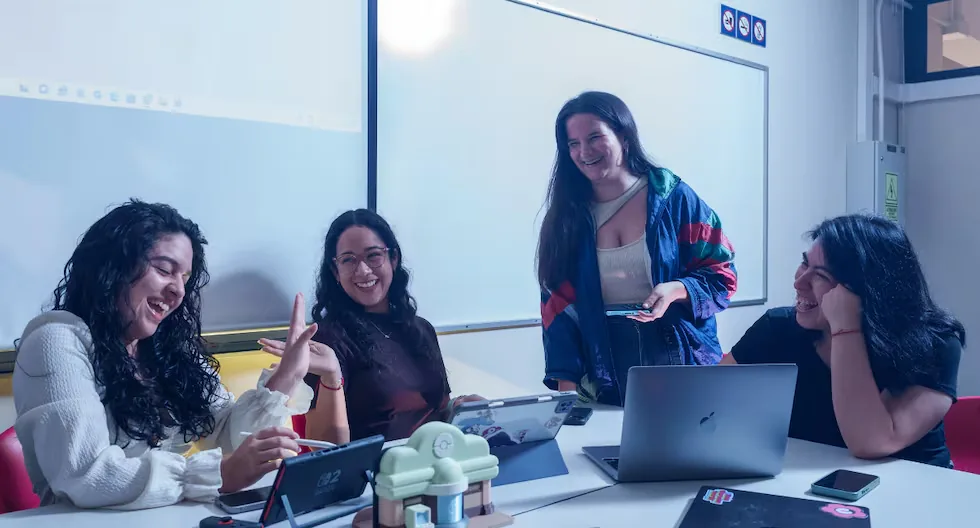
Behind a video game there are many more stories than the one that appears on the screen. There are also those who program its movements, design its characters, write its dialogues, compose the music, or coordinate each stage of the project. FemDevs Perú wants more women to discover that any of those spaces can also belong to them.
FemDevs Perú was born at the end of 2018 by the initiative of Vania Castagnino, a Peruvian developer living in Sweden who had known FemDevs España. Convinced that a similar community was needed in Peru, she contacted Sol Sánchez and Anaís Tello Lumbreras. The three met and found a common point: they had felt alone within an industry mainly occupied by men.
The initiative started as a Facebook page and, since 2019, took shape through small meetings, workshops, and gatherings organized with what they had at hand. The founders called on friends to teach classes, looked for venues through acquaintances, and raised money to buy the complements of the experience. Before a formal structure, there was the certainty that a community was needed.
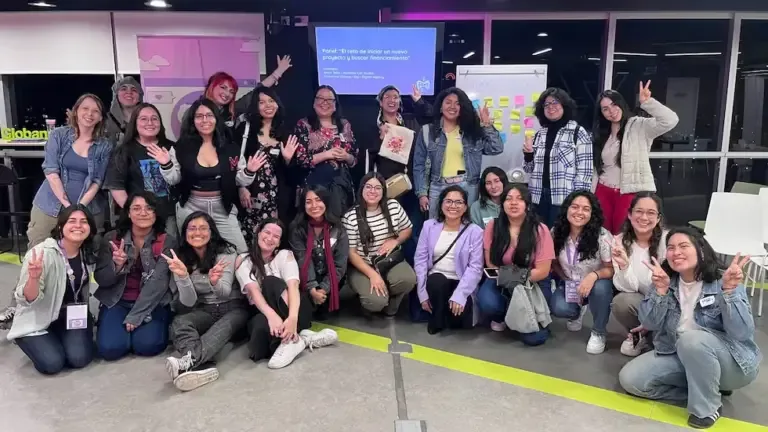
In those first meetings, six, ten, or maybe twenty people attended. The number might have seemed modest, but it had a different weight for those who did not even know how many colleagues there were in the country. Besides exchanging knowledge, they could talk about experiences that rarely appeared in professional spaces: from the difficulty of being heard in certain teams to situations of discrimination, harassment, or discomfort.
FemDevs Perú grew without abandoning that purpose. Today it is a non-profit association that brings together women and people of diverse genders who work in video games or want to approach this industry. The community understands that there is no single path to participate in it. Therefore, it does not require a specific degree or previous experience to join its activities.
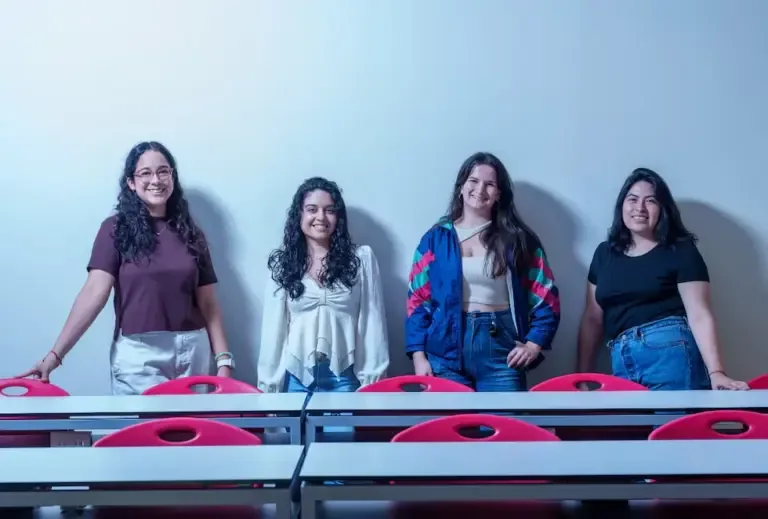
Alongside Alessandra Camacho, executive director, work Shirley Abanto, director of Women Game Jam; Valeria Ayulo, content manager; and Mariana Paz, project manager. The three founders now form the board and accompany this new stage without intervening in daily decisions. The work continues to be voluntary, and its members balance it with full-time jobs. Despite this, they organize meetings, workshops, talks, and spaces to present video games, portfolios, or new tools.
The next challenge is to reconnect with school and university students. For Camacho, it is important to show early on that the industry offers different paths and that none necessarily starts knowing how to do everything. Finding other people with the same concerns can be the starting point.
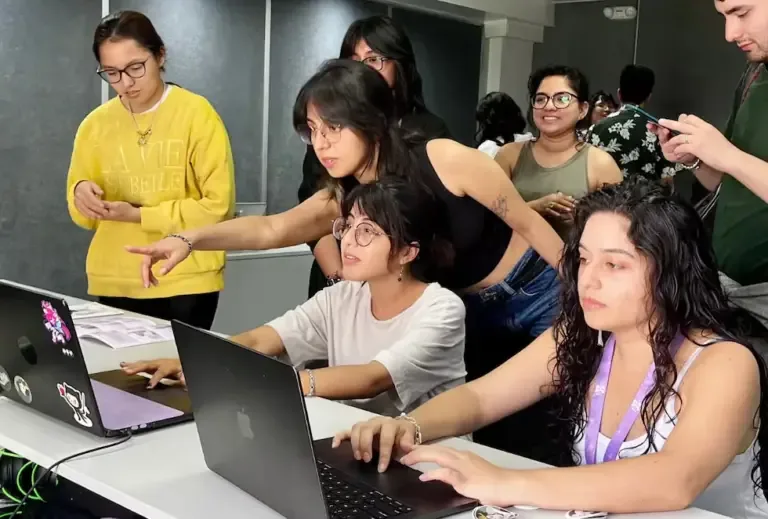
Women Game Jam: create in 48 hours
The initiative that best condenses the spirit of FemDevs Perú is the Women Game Jam, an international event born in Brazil. For 48 hours, participants form teams and develop a prototype based on a theme revealed at the start. It can be a digital video game, a visual novel, or even a board game.
No experience is needed. The organization balances the teams between those who know some tool and those who are just starting, while mentors from different specialties accompany them. The modality is in-person and free, although capacity is limited. The first Peruvian edition gathered twelve participants. In recent years, more than 150 applications have been received for around 40 spots; on one occasion it exceeded 200. Each edition leaves between six and eight projects, as different as a story trapped in a time loop or a false love coincidence.

Two rival ex-spies trade weapons for baking. In this project by Nabito Studios, presented in FemDevs activities, Ceci and Gladys must rescue their grandchildren and protect a dangerous secret recipe. It includes a multiplayer video game, a miniseries, and an interactive website.
Created by The Glitch Girls during Women Game Jam 2025, Cupid starts with an apparently perfect ‘match’. The story changes perspective to reveal that on the other side of the screen, there is a married man. The challenge is to discover what each profile hides.
In Night Reverie, a boy must solve the mystery of a distorted house. Among puzzles and strange creatures, he will try to discover the truth. It was released in 2021 by Somber Pixel, an independent Peruvian studio to which Sol Sánchez, co-founder of FemDevs Perú, belongs.
However, the most valuable result does not always fit on a screen. Some teams stay together after the event, form groups of friends, or develop new projects. Other participants come together to open activities, such as the Lima Game Jam, where they could previously feel isolated.
The path is still long, but each participant adds to the possibilities of a more diverse industry. FemDevs Perú works so that approaching video game development stops being a lonely experience and becomes a shared journey in which learning and creating also means paving the way for those who will come after.
See this post on InstagramA post shared by FemDevs Peru (@femdevsperu)
You can learn more about the association on the website femdevsperu.org, on their Instagram @femdevsperu, or through the email femdevs.peru@gmail.com.
Read more Quini 6 LIVE today, draw 3402 on Sunday, August 23: how to play and where to watch live
- Boston in 24 hours: a route to enjoy the city in the United States that attracts more Peruvians every day
- Trastevere: between the market, the bar, and the contemporary trattoria
- Luis Espinoza, the chef who left everything for love and today triumphs in Boston with the first craft brewery with a Peruvian soul
- He doesn’t seem famous, but when he sings everything stops. Ed Sheeran, the redhead with the golden voice who loves Peru and will sing at the National Stadium
- Encuentro Boletero, the unusual club in Lima of people who collect combi tickets