




![Alberto Beingolea: “If they insist on not giving [the powers], they are complicating life for Peru”](https://insightermedia.com/wp-content/uploads/2026/09/bb3fa9e11304ea13fe2cd333955007bc-150x150.webp "Alberto Beingolea: “If they insist on not giving [the powers], they are complicating life for Peru”")



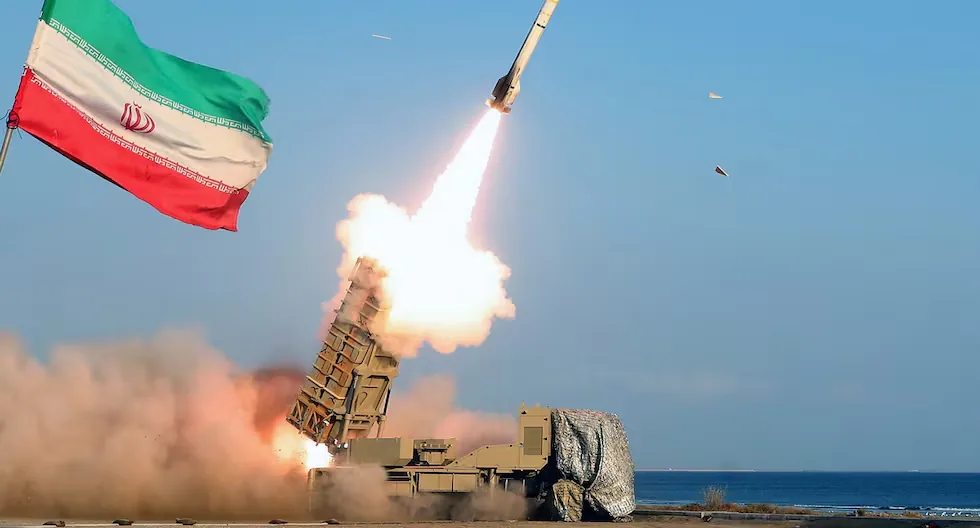
The war between United States and Iran could open a new front of tension: Europe. A journalistic report indicates that Tehran has evaluated possible attacks against U.S. military targets in southeastern Europe if President Donald Trump escalates the conflict again. NATO has responded by warning that it is “prepared” to defend all allied countries. Does the Islamic Republic have the capacity to carry out intercontinental bombings and which nations would be within its reach?
Read more These are the license plates allowed to refuel gasoline from August 24 to 30 in Venezuela
According to the Financial Times, two sources from the Tehran regime stated that Iranian forces have analyzed the option of attacking U.S. assets in countries like Bulgaria, which in July approved the use of its Bezmer airbase for U.S. refueling planes.
Another source added to the Financial Times that Cyprus is also among the possible retaliation targets in response to any new U.S. offensive. This country was already in the spotlight in March, when a British airbase was hit by a drone.
At this point, it is worth highlighting that Bulgaria is part of NATO and that, if attacked, Article 5 of the North Atlantic Treaty could be invoked, which establishes the principle of collective defense: an armed attack against one member is considered an attack against all. If that happens, each country will assist the attacked ally with the measures it deems necessary, including the use of armed force.
European countries within Iran’s reach
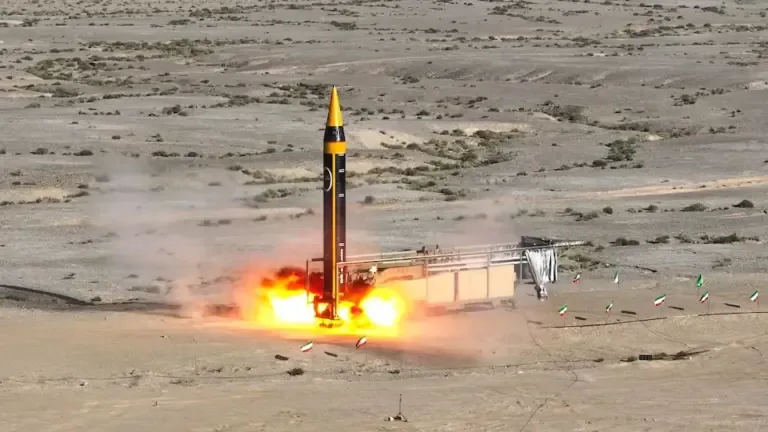
Iran does not have known capability to strike all of Europe, but it does have missiles and drones whose range places southeastern Europe within its potential operational radius.
The longest-range Iranian missiles, the Sejjil, Khorramshahr, and Sumar, have a range between 2,000 and 3,000 kilometers. Fired from the west, they can reach countries such as Greece, Bulgaria, Romania, Cyprus, and parts of the Balkans, including North Macedonia, Albania, and Kosovo.
Added to this arsenal are the Shahed drones, whose autonomy can reach 2,500 kilometers, confirming Tehran’s potential operational radius toward southeastern Europe.
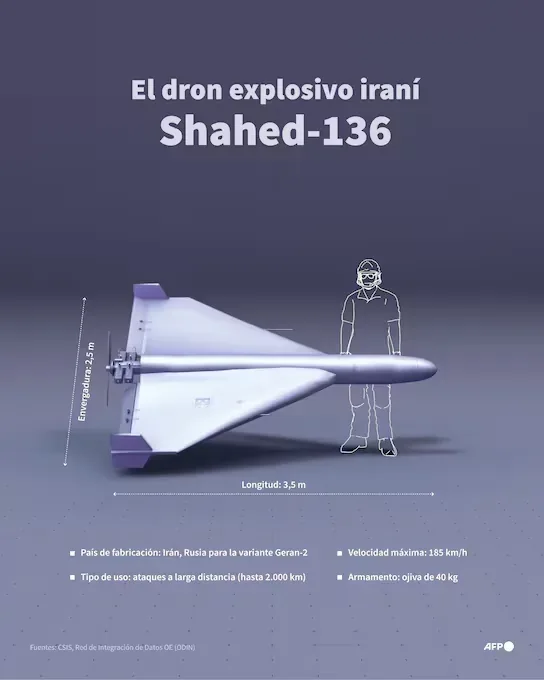
However, most of the continent, including major capitals like Paris, Madrid, London, or Lisbon, would be outside the range of these systems.
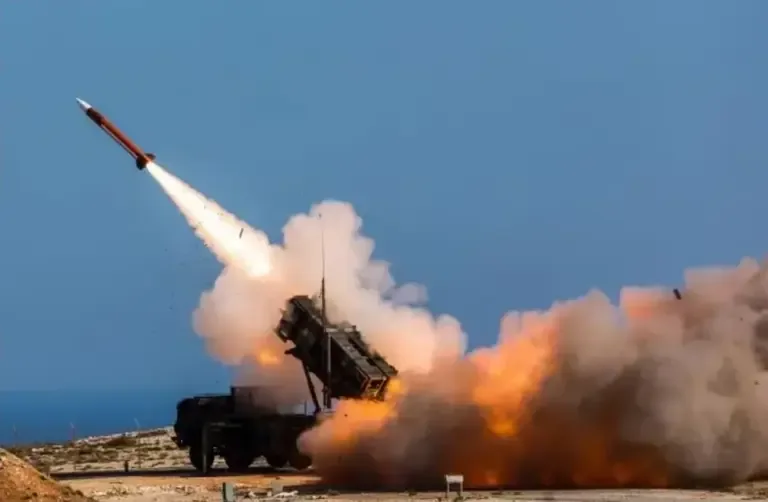
The Iranian threat revealed by the Financial Times is already causing concrete defensive movements. On Sunday, Greece raised the alert and moved a Patriot missile defense battery from the island of Karpathos to Crete, near the strategic bay of Souda.
This bay houses military facilities used by Greece, the United States, and other NATO allies, highlighted the EFE agency.
Athens’ concern is not only to protect Greek territory but also the allied military infrastructure that could become a target for Iran.
Iran bets on asymmetric, hybrid, and war of attrition
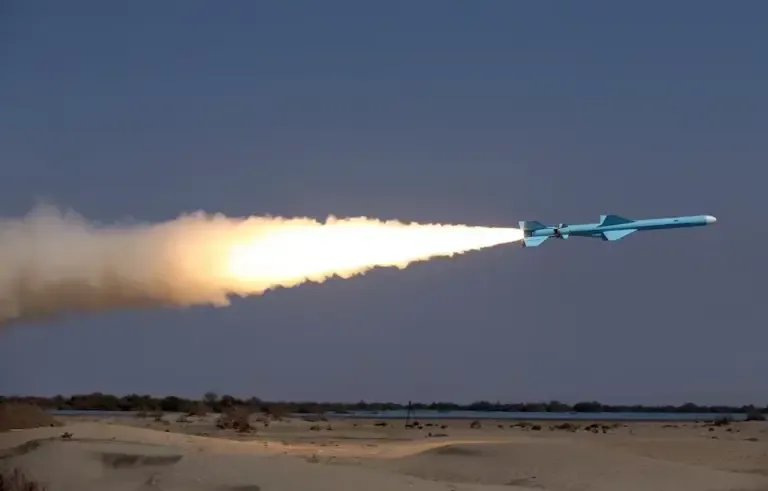
Defense and intelligence specialist Andrés Gómez de la Torre argues that Iran’s strategy against the United States is not limited to conventional military confrontation but responds to a scheme of “asymmetric, hybrid, and war of attrition”, where Tehran combines different methods of pressure and combat.
Gómez de la Torre explains to El Comercio that this strategy can take on characteristics of a “low-intensity” but permanent conflict, with actions that do not necessarily target military installations. He adds that strategic assets and critical infrastructures can also become targets, expanding the pressure fronts on their adversaries.
Under these premises, Gómez de la Torre points out that possible attacks against European targets are part of already planned options. He indicates that “Tehran uses this possibility mainly as a deterrence tool, with the purpose of increasing the cost of a possible U.S. escalation and keeping open the threat of extending the conflict to new actors.”
The analyst warns that among the alternatives that Iran could use to exert pressure are even attacks against critical infrastructure, such as the submarine fiber optic cables that cross the Strait of Hormuz.
“Its objective would be to generate digital crises and technological pressure, as well as affect commercial transit through one of the world’s most important maritime routes,” he notes.
Drones and Greece’s Patriots
Gómez de la Torre states that it is difficult to anticipate which method Tehran would use if it attacked Europe. But he highlights that the strategy of launching drone swarms has proven effective due to their ability to reach targets and cause damage.
He also recalls that Iranian drone technology has been exported to Russia, which has used it in the war in Ukraine, allowing its operational capacity to be tested in a large-scale conflict.
He also maintains that Greece’s decision to deploy a Patriot battery responds precisely to the perception that in a possible attack Iran could use drones or ballistic missiles.
“Although in the latter case, ballistic missiles, Iran does not have the same capability it has developed, for example, North Korea, it must be emphasized that all options are on the table”, he warns.
The risk of a NATO response
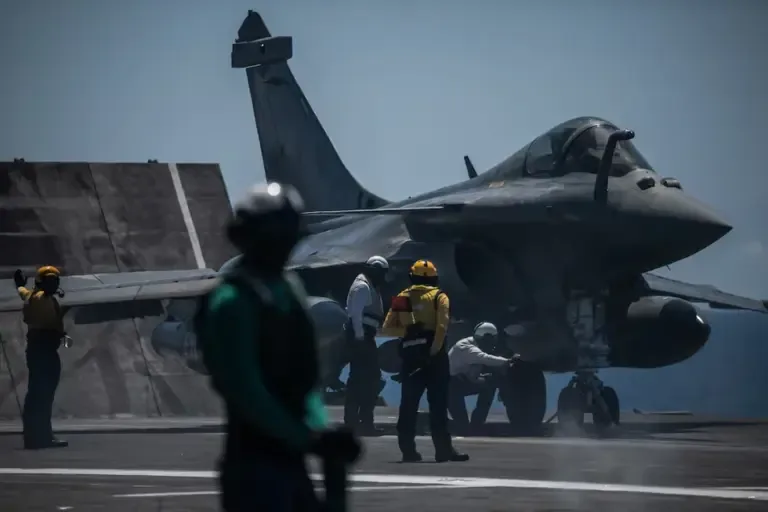
Gómez de la Torre warns that if Iran attacks a U.S. facility in Europe or directly a NATO member, the principle of collective defense could be activated, opening the possibility of a coordinated response from its members.
He considers that the coming hours and days will be decisive to know if the options Tehran is considering as a deterrence tool end up becoming concrete actions.
Read more What does “farming aura” mean? Discover the origin of the viral expression in Latin America