




![Alberto Beingolea: “If they insist on not giving [the powers], they are complicating life for Peru”](https://insightermedia.com/wp-content/uploads/2026/09/bb3fa9e11304ea13fe2cd333955007bc-150x150.webp "Alberto Beingolea: “If they insist on not giving [the powers], they are complicating life for Peru”")



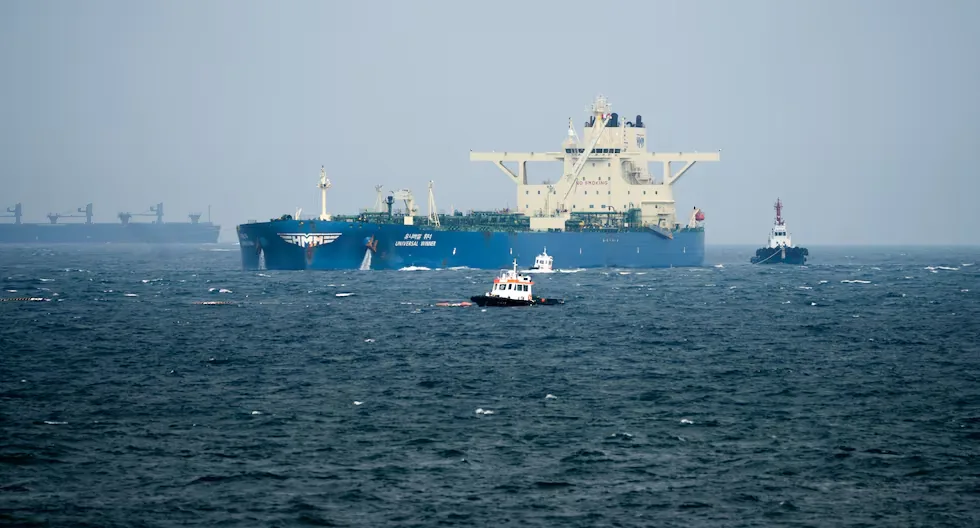
According to U.S. officials cited by Axios, the portal that published the exclusive, the operation currently allows the export of about 10 million barrels of oil per day, approximately half the volume that passed through the strait before the war.
Read more Nord Stream Gas Pipeline: Preventive detention in Croatia for sabotage suspect
However, the same report emphasizes that some nights the flow may have reached between 15 and 20 million barrels.
Axios states that through the corridor it controls, the United States organizes the nighttime transit of between 15 and 20 tankers.
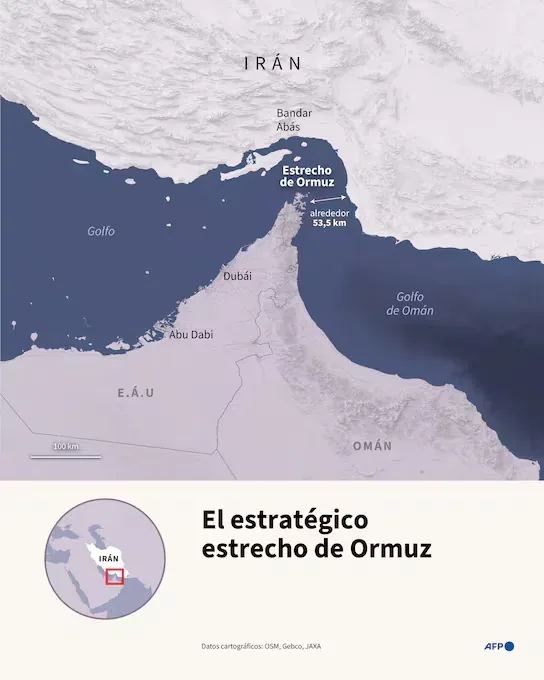
It adds that the operation not only consists of escorting loaded oil tankers, but also facilitates the entry of empty ships from the Arabian Sea, so they can load crude oil in the Gulf countries and then return through the same corridor.
The task force supervising the operation is led from the Army headquarters at Fort Bragg, North Carolina. From there, it coordinates with U.S. partners in the Persian Gulf the lists of ships, schedules, and entry and exit windows.
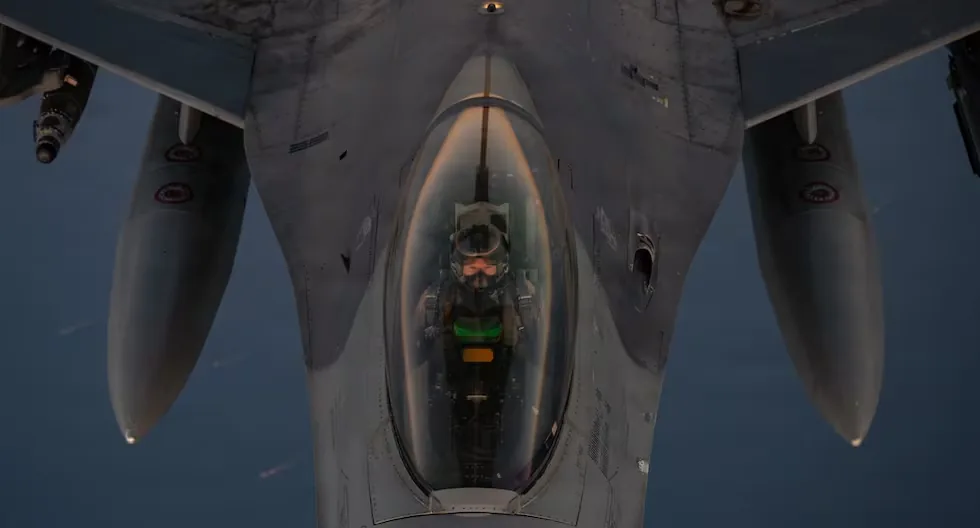
The ships move in convoys or large lines, following the instructions of the U.S. Army, which protects the operation from the air with combat aircraft, responsible for intercepting Iranian drones and cruise missiles.
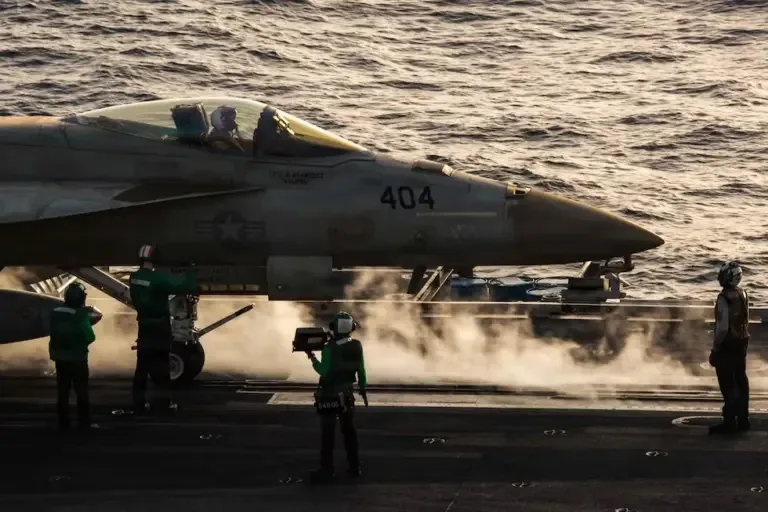
But how was the corridor established and why is it not neutralized by Iran? Axios sources explain that the route was made possible after a two-week military campaign with bombings that degraded Iranian radars and maritime surveillance systems, which reduced Tehran’s ability to detect ships in the area.
In any case, Iran attacks the corridor with drones and missiles, but does so “blindly”, the information notes. Despite this, some ships have been hit, while other attacks were intercepted by the U.S.
Axios sources emphasize that the strategic importance of the operation is that millions of barrels are being returned to the global market, aiming to reduce the impact of the oil disruption on international crude prices.
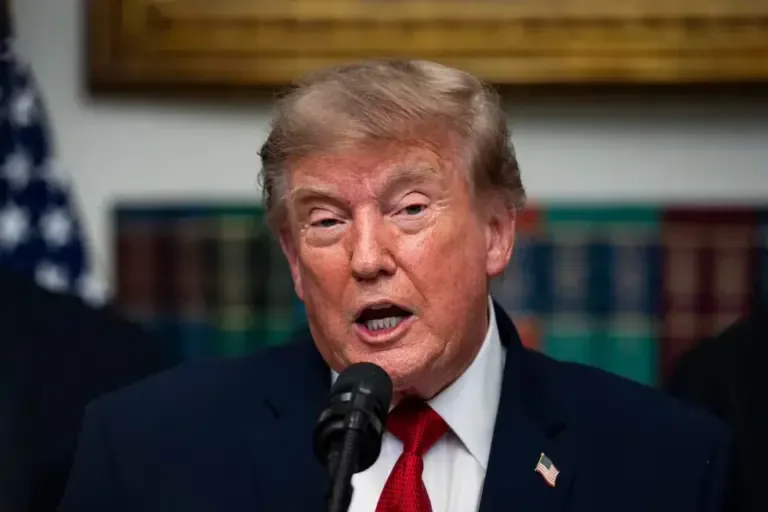
“A tremendous amount of oil is coming out of the Strait of Hormuz,” Trump told Axios on Wednesday.
A complex and costly military operation
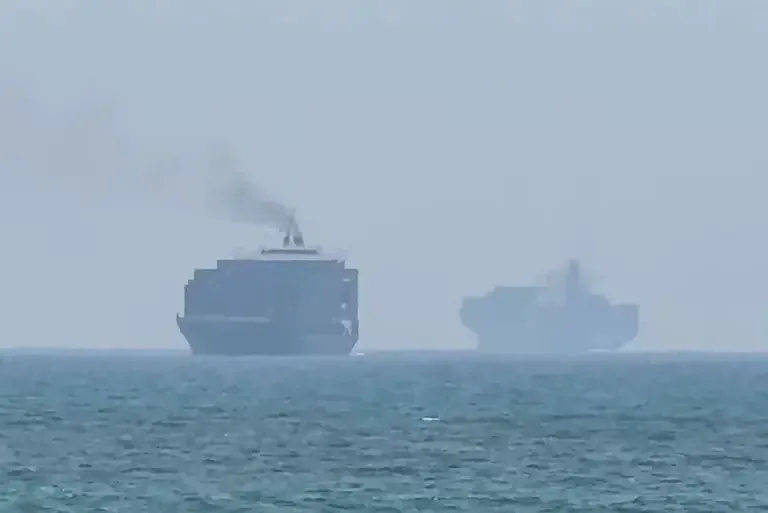
For Francesco Tucci, director of the Communication and Journalism program at the Peruvian University of Applied Sciences (UPC), the corridor represents a highly complex and costly military operation, because Washington must not only guarantee the transit of oil tankers but also maintain a permanent presence capable of responding to the multiple threats that Iran still poses.
He argues that one of the main dangers is the presence of mines in the area, in addition to the fast boats it still possesses, tactical drones, and other systems capable of threatening navigation.
“The United States will have to keep warships and embarked aircraft deployed to protect civilian ships during their transit. This is not passive surveillance, it is active and permanent surveillance, and that comes at a high cost”, he says.
Meanwhile, international analyst Francisco Belaunde Matossian indicates that the operation could help ease pressure on the international oil price by allowing a significant portion of crude oil to flow out of the Gulf again.
Belaunde warns that the economic benefit must be weighed against the cost for the United States of maintaining a permanent military operation in the area, at a time when the Pentagon continues to allocate millions of resources to the war.
Read more Strong winds and earthquakes: is there really a connection? This is what the experts say
“We need to observe in the coming weeks what the economic impact of the U.S. strategy will be, and whether the recovery of oil flow compensates for the resources Washington must allocate to guarantee the corridor’s security,” he says.
Could Iran be forced to negotiate?
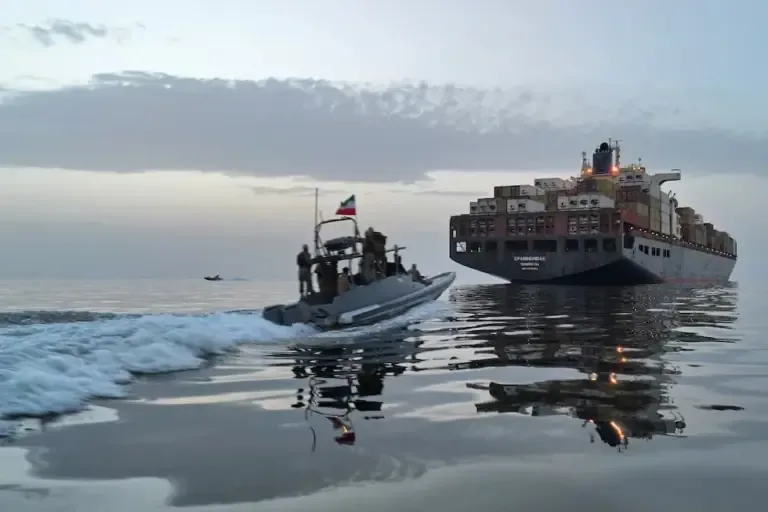
Tucci believes the operation is also part of a pressure strategy by the Donald Trump administration on Tehran. He indicates that Washington would be seeking to demonstrate that it can keep a maritime corridor open without needing to negotiate with Iran over free passage through Hormuz.
Another decisive factor for the operation’s success will be the willingness of oil companies to use the corridor, notes Tucci, who recalls that the war significantly increased insurance premiums for ships crossing Hormuz, so another bet by Washington would be to demonstrate that the route can operate with a sufficient level of security to reduce those costs.
Belaunde considers it unlikely that the opening of the corridor alone will force Iran to accept negotiations on free passage through Hormuz. “Tehran maintains a hardline position and still has various alternatives to try to hinder the U.S. operation”, he adds.
The analyst mentions the possibility that Iran could attack neighboring countries allied with the United States or directly target ships using the corridor. Such an action could trigger a new military response from Washington and raise tensions in the region again.
He also recalls that recently Iran threatened to attack U.S. targets in some European countries.
“The Iranians are in a very hard position and it is unknown what kind of reaction they might have,” says Belaunde.
Regarding the apparent loss of Iranian capacity to attack the corridor after the destruction of its radars and surveillance systems, Tucci warns that the threat does not depend exclusively on those systems.
He indicates that if Tehran has difficulties carrying out coordinated attacks on ships, it still has the possibility to generate enough uncertainty to affect maritime transit.
“The threat of damage is enough to paralyze the Strait of Hormuz, it does not necessarily have to be realized, which is why insurance prices soar,” he warns.
Tucci estimates that the situation will remain unpredictable. “The threat is multiple, it is not just about coordinated attacks with radars. Blind attacks can also inflict damage”, he insists.
Belaunde believes Tehran will face difficulties quickly recovering its radars. He adds that if they install them, “the Americans will destroy them again. It won’t be that easy.”