




![Alberto Beingolea: “If they insist on not giving [the powers], they are complicating life for Peru”](https://insightermedia.com/wp-content/uploads/2026/09/bb3fa9e11304ea13fe2cd333955007bc-150x150.webp "Alberto Beingolea: “If they insist on not giving [the powers], they are complicating life for Peru”")



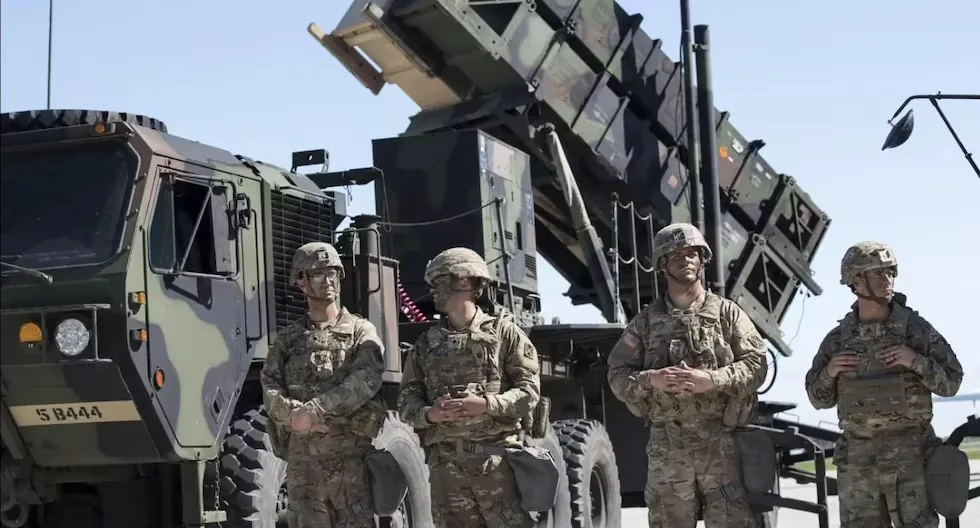
Specifically, according to The Washington Post, last Wednesday the Undersecretary of the War Department, Steve Feinberg, sent a memorandum to the defense industry informing them that they have a maximum of 21 days to submit plans that allow “significantly accelerating delivery times and/or increasing the production of critical capabilities.”
Read more Earthquake in Mexico today, Monday, August 10: recent tremors reported by the SSN
SEE HERE: How Ukraine takes the war to the heart of Russia and challenges Putin: why it attacks refineries, warehouses, and other strategic targets
Additionally, he also asked the defense industry to “propose specific capital investments and facility expansions… to support the Department’s commitment to sustained orders of higher volume.”
“Development cycles that last years are not acceptable. We must drastically accelerate our timelines and expand our production capacity right now,” Feinberg warned in the memorandum.
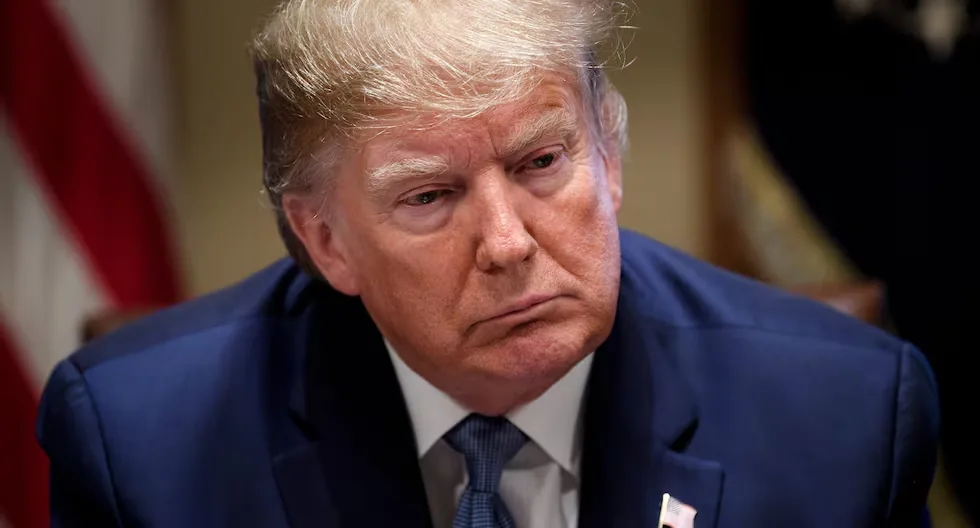
Last week, President Donald Trump acknowledged that the U.S. is experiencing shortages of some types of weaponry, although he assured that the country has enough ammunition to sustain the war with Iran.
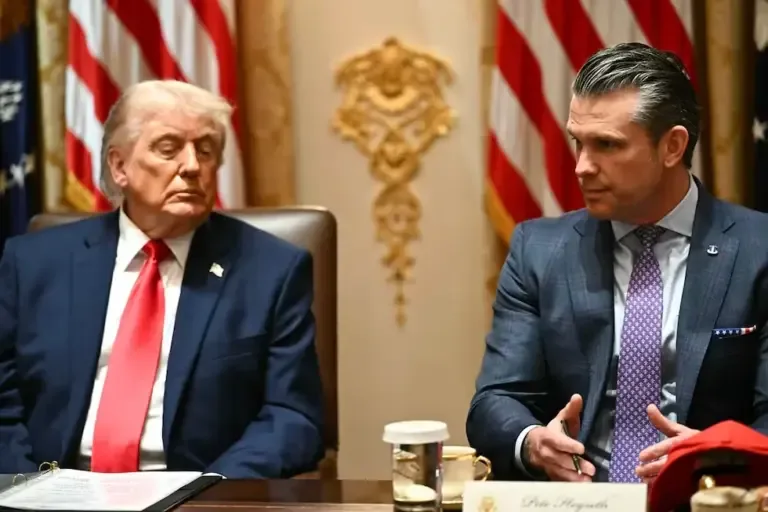
Trump’s statement came after The Washington Post reported that days earlier the president had expressed frustration at not being informed about a worrying ammunition shortage in the Middle East, which reportedly caused a disagreement with his Secretary of War, Pete Hegseth.
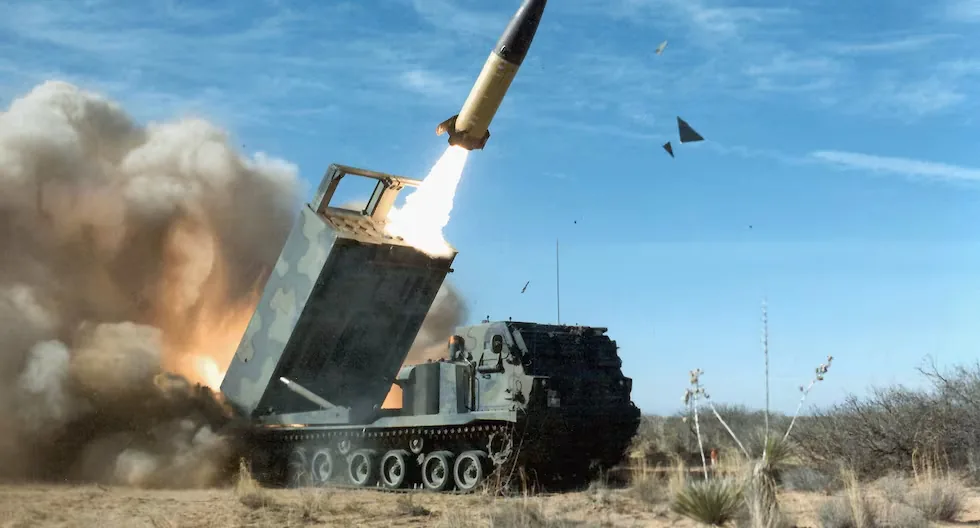
According to an analysis by the Center for Strategic and International Studies (CSIS), a Washington-based research center, there is a reduction in the reserves of Patriot and THAAD interceptors, something that could force the United States and its Middle Eastern allies to take greater risks to maintain their air defenses.
For example, CSIS says U.S. forces might launch fewer interceptors against Iranian drones and missiles, which would increase the likelihood that some manage to hit their target.
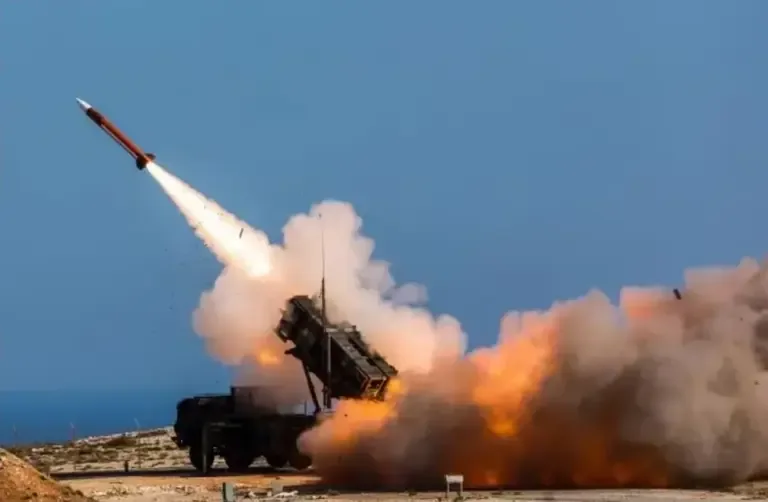
CSIS detailed that the reserves of Patriot interceptors dropped from 2,330 before the war to 1,030 in April, when the ceasefire began. But after recent fighting, the center estimates that between 759 and 827 remain. That is, the United States has approximately 65% less than before the war.
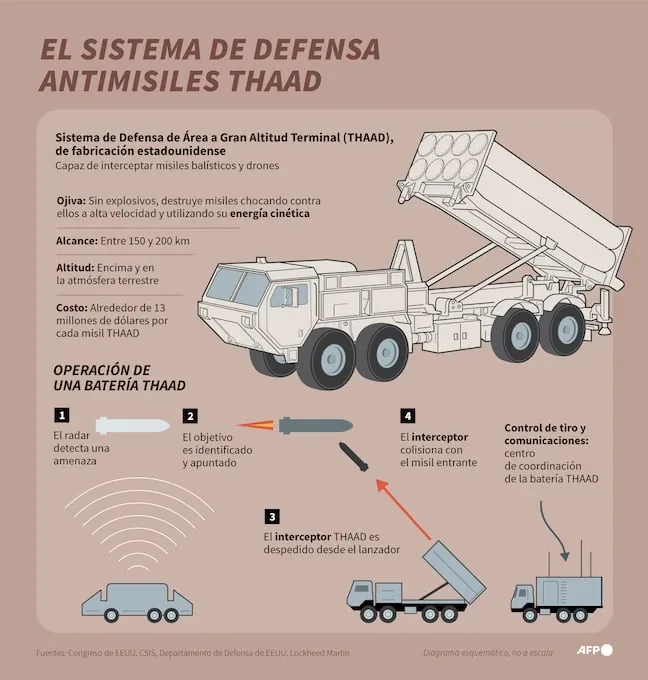
As for THAAD, its reserves fell from 452 interceptors stored before the war to between 232 and 262 in April. Although the U.S. managed to replenish some stock, it currently has between 234 and 278, still at least 38% below pre-conflict levels.
CSIS emphasizes in its report that there are no good alternatives to the Patriot and THAAD systems for ballistic missile defense.
Read more Armonía 10 clarifies suspension of their concert in Manchay and denies alleged attack
It adds that the use of this ammunition poses a short- and medium-term risk to the United States’ ability to wage war against China in the western Pacific.
Under this scenario, the Trump administration seeks to significantly increase the budget. The White House has requested raising Defense spending to US$1.5 trillion, compared to the current US$900 billion.
In prolonged wars, logistics become a fundamental issue
Defense and intelligence analyst Andrés Gómez de la Torre warns El Comercio that the Pentagon’s concern is not only due to the wear caused by recent military operations but also the risk that the United States may not have sufficient capacity to sustain a prolonged campaign both in the current situation with Iran and in a hypothetical confrontation with another military power like China.
He also explains that General Dan Caine, Chairman of the Joint Chiefs of Staff and one of the main officials responsible for U.S. military planning, has already expressed concern about the level of available stocks and the difficulties that could arise if Washington is forced to extend its operations in the Middle East for a prolonged period.
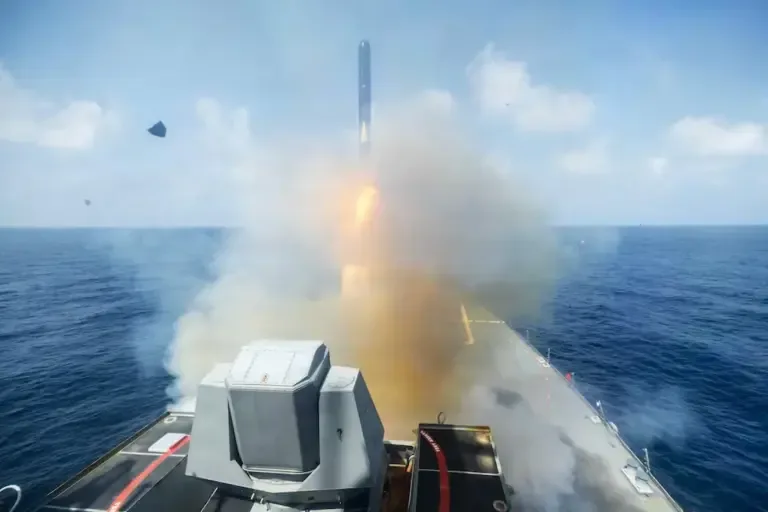
Gómez de la Torre points out that, with current reserves, “the United States could still handle specific operations for a certain period, but the scenario changes radically in a long-duration campaign. That is where the projected shortage appears, particularly in systems considered critical such as Tomahawk missiles, used for long-range attacks, and Patriot and THAAD interceptors, essential for air defense.”
The analyst indicates that this situation is also putting pressure on the relationship between Trump and Hegseth, at a time when the administration is seeking for the U.S. military-industrial complex to rapidly increase the production of weapons systems to face future operations.
Gómez de la Torre recalls that the depletion of U.S. arsenals did not begin with the current administration, but has been accumulating since the Democratic government of Joe Biden, due to the supply of sophisticated weapons systems to Ukraine and Israel because of the war in Gaza. Added to this is the military support from European NATO countries to Kiev, which has also reduced their own stocks.
Regarding weapons reserves, the most concerning case is that of the Patriot, Gómez de la Torre emphasizes. A significant reduction of these systems could force Washington to adopt a kind of “strategic pause” or, at least, to more cautiously evaluate its capacity to intervene simultaneously in different international scenarios.
“The lesson is that in a prolonged war, logistics and the ability to quickly replenish arsenals end up being as decisive as the military power available on the battlefield,” emphasizes Gómez de la Torre.