




![Alberto Beingolea: “If they insist on not giving [the powers], they are complicating life for Peru”](https://insightermedia.com/wp-content/uploads/2026/09/bb3fa9e11304ea13fe2cd333955007bc-150x150.webp "Alberto Beingolea: “If they insist on not giving [the powers], they are complicating life for Peru”")



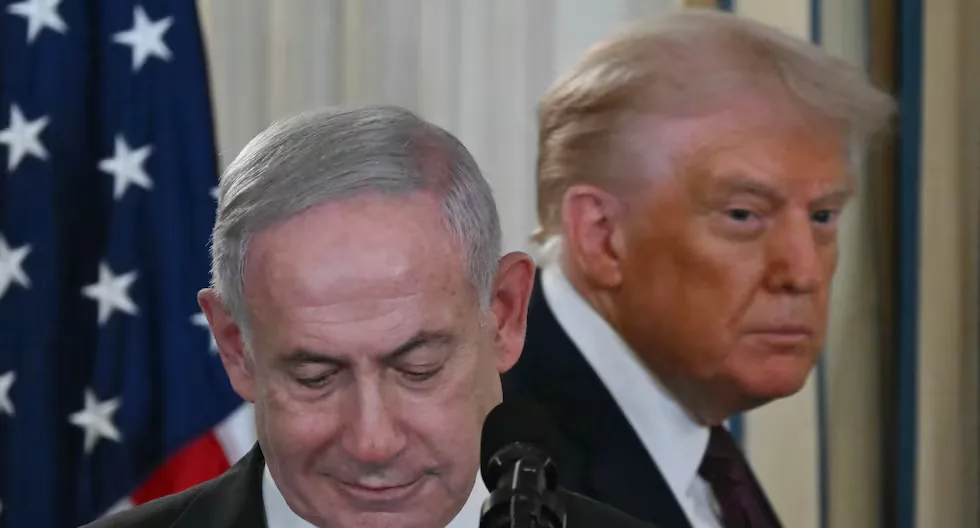
But Netanyahu was emphatic on Sunday in stating that Israel will not leave Gaza until Hamas is completely disarmed.
Read more United States runs out of shield: its Patriot missile reserves fall 65% due to the war with Iran
SEE HERE: Why does Milei attack Lula and bring the relationship between Argentina and Brazil to its worst crisis in decades?
The difference is not minor, since the roadmap proposes a gradual process, with the disarmament of Hamas and the Israeli withdrawal linked and subject to international verification.
“Israel rejects the 15-point document. The Israel Defense Forces (IDF) will not withdraw until Hamas is disarmed. And when I say disarm Hamas, I mean all its weapons: the heavy ones, the lighter ones, all of them. We are talking about real disarmament, not a fictitious one,” said Netanyahu in a video published by his office.
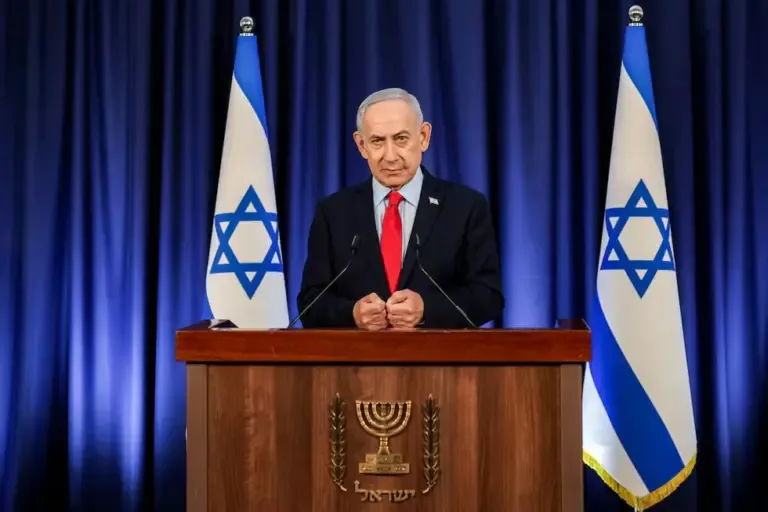
He added that the United States has some “unacceptable ideas” for Israel that they must “oppose.”
“As long as I am prime minister, no Palestinian state will be created, neither in the West Bank nor in Gaza. Neither ‘Fatahistán’ nor ‘Hamastán’”, Netanyahu continued.
At this point, it should be clarified that the implementation of the roadmap, including the issue of the delivery of Hamas’ weapons, must create the appropriate conditions for a credible path towards achieving self-determination and the creation of a Palestinian state.
On July 30, Trump announced that the Peace Board had reached a pact for the total disarmament of Hamas and other Palestinian groups, which he called a “historic agreement” that would allow progress towards the second phase of the ceasefire.
Following Netanyahu’s statement, Hamas reiterated on Sunday its “firm commitment” to Trump’s plan.
“The priority at this stage must be to ensure the full implementation of the agreement in all its phases and requirements, which will lead to a complete ceasefire, the end of attacks against our people, the completion of the withdrawal (of Israel) or the opening of border crossings,” stated Hamas in a communiqué.
For his part, Nickolay Mladenov, senior representative of the Peace Board, assured that the plan is “the only way forward” to prevent a repeat of an attack like the one by Hamas in October 2023 against Israel.
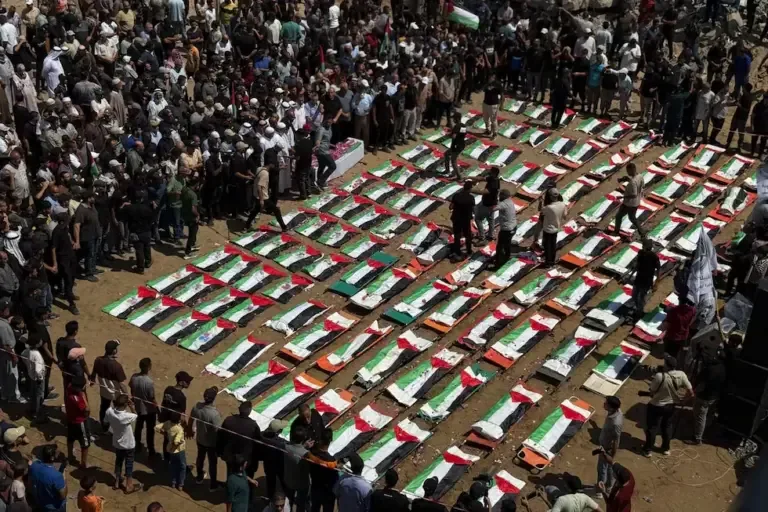
On October 7, 2023, Hamas launched an attack against southern Israel, where it killed about 1,200 people and kidnapped 240. In retaliation, Israel declared war on Hamas and invaded and blockaded Gaza. This military offensive caused widespread destruction of infrastructure and the forced displacement of most of the civilian population. Regarding the human cost, data from the Gaza Ministry of Health report that more than 73,300 Palestinians died.
Netanyahu and the electoral context
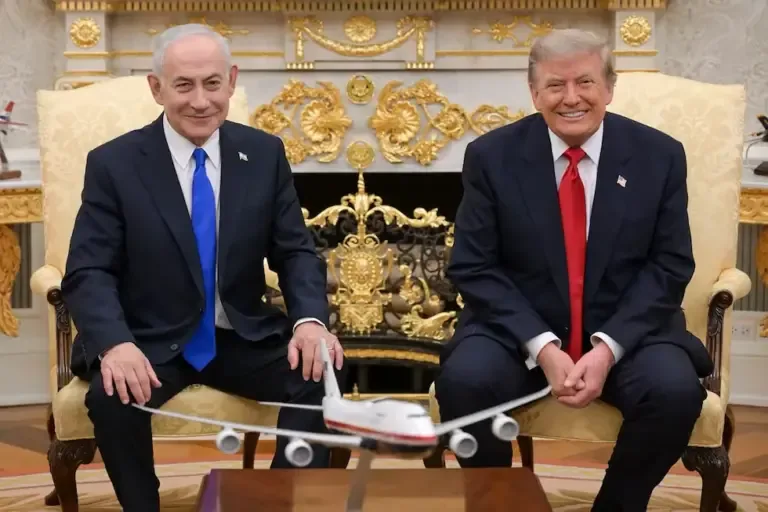
For Carlos Novoa, journalist and international analyst specializing in Middle East issues, Netanyahu’s rejection of Trump’s plan was predictable, especially given the political context Israel faces, with elections scheduled for October.
He states that the Israeli prime minister “is playing all or nothing,” so accepting an agreement that involves concessions on Gaza could have a high political cost.
Novoa believes it is likely that Trump will react to the rejection, although not necessarily to the point of causing a break in relations. “Trump will surely throw some kind of tantrum, because Trump simply does not like being denied something or having it rejected”, he points out.
However, Novoa recalls that the U.S. president knows how Netanyahu acts and that it is not the first time the Israeli has taken a firm position against a Washington proposal he does not like.
Novoa considers that the United States still has the capacity to pressure Israel and also to modify some elements of the agreement. However, he says that Trump’s room for maneuver is not unlimited.
He adds that the U.S. president has other priority issues, including Iran and the November legislative elections, as well as his own internal political support problems.
“Trump has too many problems to focus only on Israel,” Novoa points out.
Read more Earthquake in Mexico today, Monday, August 10: recent tremors reported by the SSN
The disarmament of Hamas, the main obstacle
The analyst assures that thinking that Israel would accept the plan without modifications was unrealistic.
“In reality, it was very difficult, or naive, to think that Israel would accept this plan, because to accept it it mainly needed Hamas to disarm first,” he states.
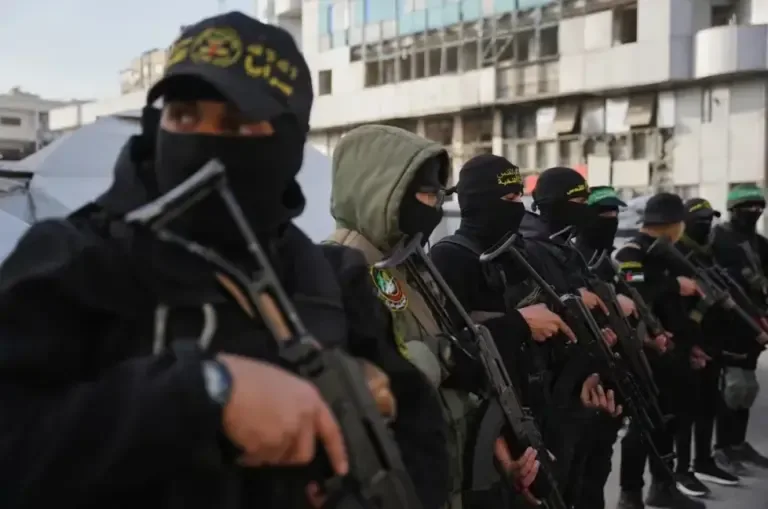
Although the proposal contemplates the dismantling of Hamas’ military capabilities with the delivery of its weapons, he points out that the process must be gradual and in parallel with the withdrawal of Israeli troops, something that is flatly rejected by Netanyahu.
Specifically, point 8 of the plan says that the disarmament of Hamas will begin when the “pending commitments of the Sharm al-Sheikh Protocol, the entry of the CNAG (National Committee for the Administration of Gaza, the Palestinian technocratic group that will govern the enclave) and the deployment of the ISF (International Stabilization Force)” are fulfilled.
“This process will be linked to the phased withdrawal of Israel from the areas under its control in Gaza and the disarmament of militias (armed by Israel)”, the text specifies.
Novoa maintains that disarmament also poses a problem for Hamas itself. “What does Hamas do without weapons? It would be completely vulnerable to an Israeli offensive that would defeat it immediately.”
The difficult transfer of power in Gaza
Another major question is what would happen with the proposal to establish a Palestinian administration to govern Gaza. For Novoa, it is difficult to imagine such a transition while Hamas retains presence and resistance capacity in the territory.
The problem is not limited to what Hamas political leaders abroad may decide. Novoa warns that there is a difference between what their representatives might eventually sign and what the fighters remaining in Gaza decide.
“One thing is what the paper says or what Hamas representatives abroad sign, and another is what the militants left in the tunnels say,” he maintains.
That factor could become one of the biggest obstacles to any agreement, he points out.
The territorial context also complicates any solution. Novoa recalls that Gaza houses about 2 million people in an area approximately 15 kilometers wide and 40 kilometers long.
The humanitarian and territorial situation further complicates any disarmament and political transition process. According to the analyst, a large part of the population remains displaced and living in precarious conditions, while Israel maintains control over large areas of the enclave.
What can happen now?
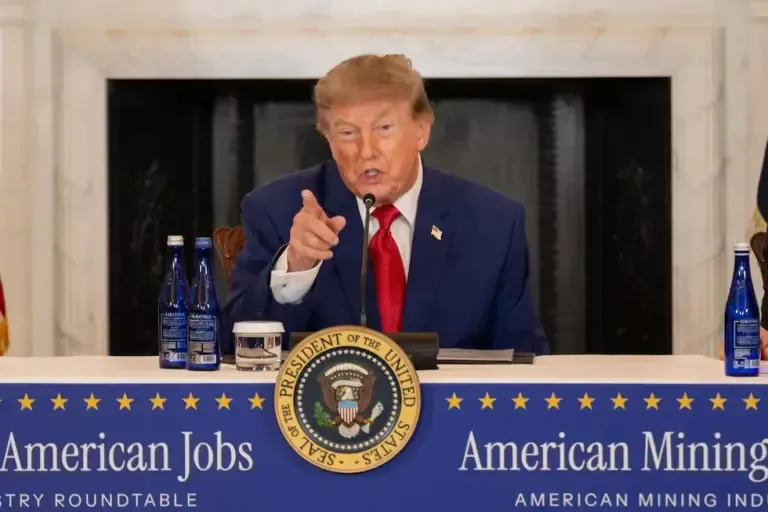
Novoa believes that the main challenge will be to find a formula that allows simultaneous progress in the disarmament of Hamas, the Israeli withdrawal, and the transfer of Gaza’s government.
The decisive factor, Novoa notes, will be the negotiating margin that Trump and Netanyahu have, but also Hamas’ ability to accept — and enforce on the ground — any eventual agreement.
The problem, ultimately, is that each actor fears being exposed if they take the first step: Israel does not want to withdraw while Hamas retains weapons; Hamas is unlikely to disarm while Israel maintains territorial control; and a future Palestinian administration needs both processes to advance in order to effectively assume the government of Gaza.
Read more Armonía 10 clarifies suspension of their concert in Manchay and denies alleged attack