




![Alberto Beingolea: “If they insist on not giving [the powers], they are complicating life for Peru”](https://insightermedia.com/wp-content/uploads/2026/09/bb3fa9e11304ea13fe2cd333955007bc-150x150.webp "Alberto Beingolea: “If they insist on not giving [the powers], they are complicating life for Peru”")



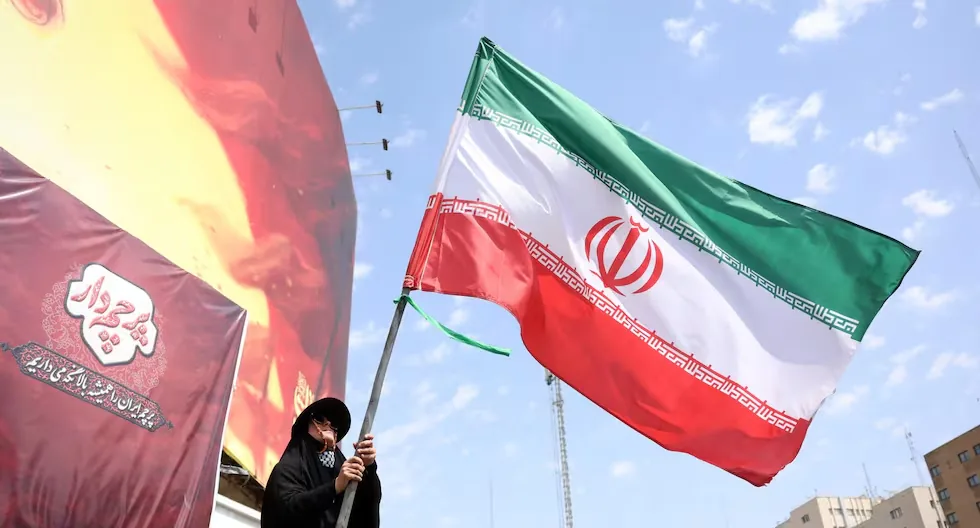
Iran stated this Monday that the expiration today of the 60-day deadline established in the memorandum of understanding signed with the United States to negotiate a permanent peace agreement is “irrelevant” due to the American violations of the commitments made in the text.
“The 60-day deadline for talks is irrelevant”, said at a press conference the spokesperson for the Iranian Ministry of Foreign Affairs, Ismail Bagaei, reported IRNA.
SEE: Iran offers $30,000 reward for dead or captured US soldiers
The diplomat indicated that “the implementation (of the agreement) is completely paralyzed due to the ”blatant violations” by the United States of the memorandum of understanding signed on June 17.
The memorandum of understanding established the end of hostilities, the reopening of the Strait of Hormuz, the lifting of the ban on the sale of Iranian oil in international markets, and the end of the blockade on Iranian ports and ships, among other issues.
The 14-point text also established a 60-day period to negotiate a definitive agreement on the Iranian nuclear program and the total lifting of sanctions.
“Negotiations never began because the United States, just weeks after signing the memorandum of understanding, committed blatant and widespread violations of its text, so the 60-day deadline for talks is no longer relevant”, Bagaei.
Read more Earthquake in Colombia today, Monday, August 17: magnitude and epicenter of the latest tremor
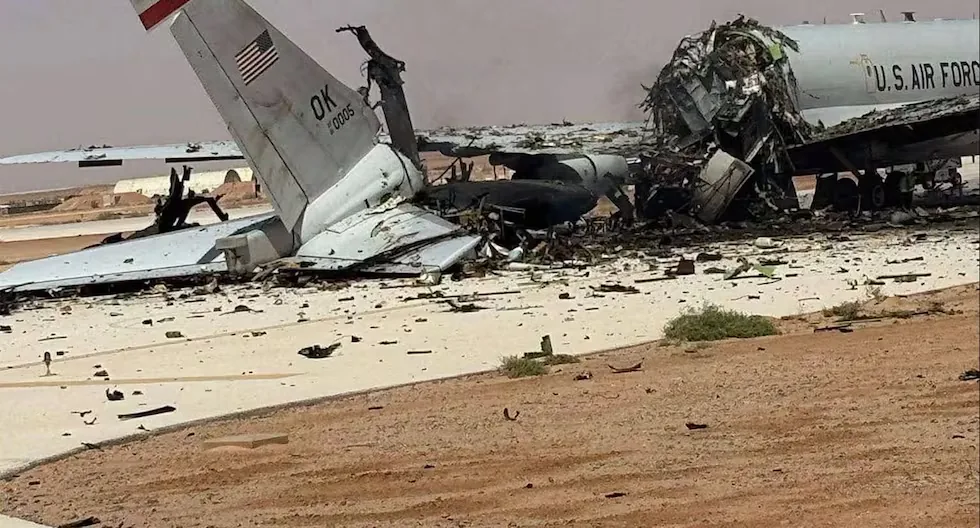
Almost three weeks after signing the agreement, hostilities between Iran and the United States resumed.
Tehran maintained that article 5 of the memorandum gave it control of the strait, required that ships wishing to cross it coordinate with the Iranian Revolutionary Guard, and attacked ships trying to cross without its permission the route through which 20% of the world’s crude oil passed before the war.
The United States responded on July 7 with attacks against the Persian country and days later reimposed a blockade on Iranian ports and ships two days later and revoked the permission to sell the country’s crude oil in international markets, which in turn bombarded Persian Gulf countries in retaliation and blocked Hormuz again.
Now Tehran demands that Washington fulfill commitments made in the memorandum such as ending the war, lifting the blockade on its ports and ships, and the possibility of selling its oil in international markets, among others, to reopen Hormuz.
Read more Earthquake in Chile today, Monday, August 17: magnitude and epicenter report according to CSN