




![Alberto Beingolea: “If they insist on not giving [the powers], they are complicating life for Peru”](https://insightermedia.com/wp-content/uploads/2026/09/bb3fa9e11304ea13fe2cd333955007bc-150x150.webp "Alberto Beingolea: “If they insist on not giving [the powers], they are complicating life for Peru”")


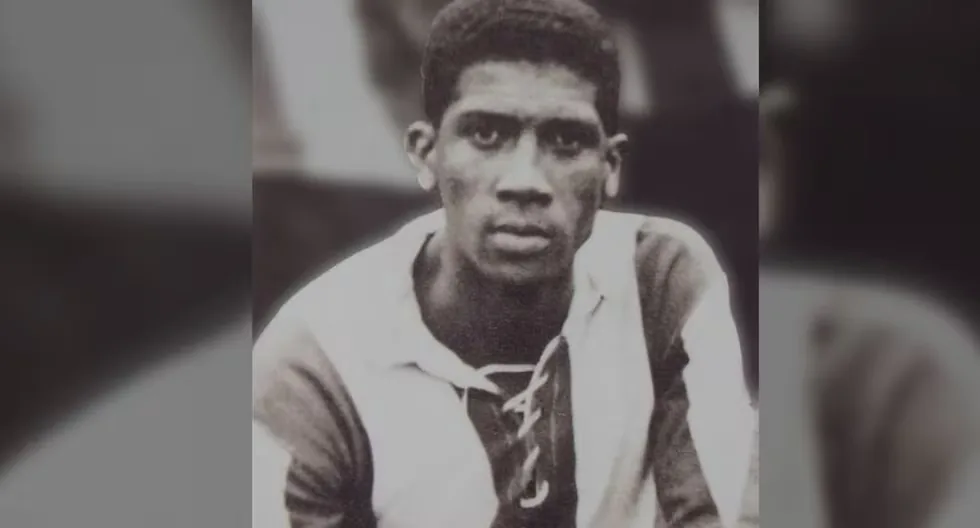
Tall as a building, with a boxer’s nose and the lifelong Alianza color, Alejandro Villanueva (Lima, June 4, 1908) lived too short a life for all he accomplished. He lived in a hurry, according to his biographers. By the age of 35, he had done what others don’t do in a hundred years. On April 11, 1944, he departed to eternity, and with his departure, he laid the foundations of what his fans proudly call Aliancismo today.
READ MORE: “Juego en Corto”, YouTube: watch today’s program broadcast, Thursday, June 4, 2026, here
A 1944 page from El Comercio’s historical archive justly summarizes this tall man with dancer’s feet: “He is a national figure, he was continental and even worldwide.”
Five times champion with Alianza Lima – even today there is controversy over the 1934 national title, in forums, social networks and literature – twice top scorer in the local tournament and with appearances in the 1930 World Cup and the Berlin Olympic Games. That was also Manguera. But statistics fell short for him, as he had plenty of inventiveness: when it was necessary to make a one-two pass, ‘Escalera’ made two. And if the cross came high, he preferred the pirouette. Thus, he invented and reinvented the ‘Alejandrina’, his personal variant of the bicycle kick. His trademark. It’s a shame there are almost no videos of him.
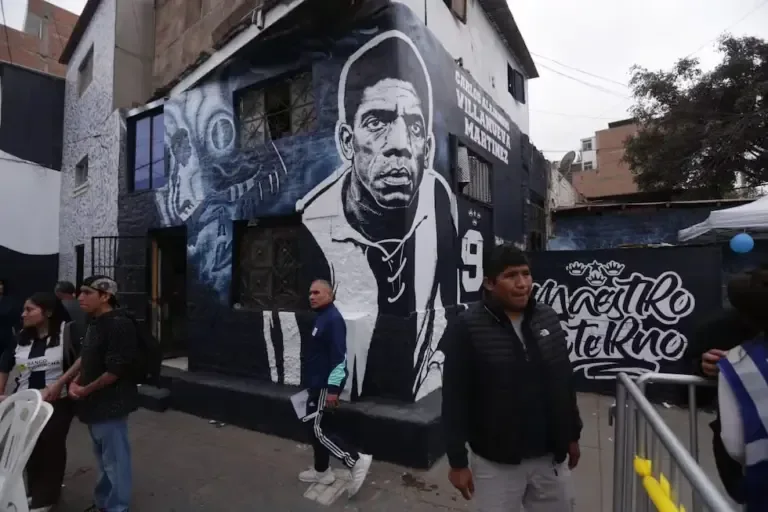
“In the case of ‘Manguera’ – says journalist Roberto Castro, director of De Chalaca – the same idea of the big man can be applied: Alianza’s charisma is linked to magic, feints, beautiful play.”
The day he died, Alianza’s eternal footballer was born. As he had to be: skillful, joyful, influential through his play rather than his words. The only video that exists about ‘Manguera’s’ marriage to the ball – even in that he was more alive; he married Rosa Falcón after being in love with the leather one – is on YouTube.
Fifty-two seconds where a giant forward charges like a train (see above). In the Presbítero Maestro cemetery, gate 5, Santa Aurelia barracks, niche 10-1c, a tree with small red flowers shades him. Beyond, 37 presidents of Peru, the wise Antonio Raimondi, poets Abraham Valdelomar and José Santos Chocano, or his friend, Felipe Pinglo, rest from all they lived. ‘Manguera’ couldn’t be in a better place.
Read more Enjoy a 30% discount on Mamma Tomato’s menu
“Even now, barely alive at 35 years old, he is still Alejandro Villanueva,” writes Guillermo Thorndike in “The Man Who Died Twice,” the most widely read chronicle about ‘Manguera.’ Yes. He still is.
Thorndike’s chronicle ends like this:
“At six in the morning, Alejandro Villanueva was pronounced dead. His face was covered with a sheet. In a little while, they would take him to the morgue. Alejandro! Black man, black man! Rosa uncovered him. Then the supposed deceased opened his eyelids and began to cry.
Alejandro, I’m here! Black man, black man!
He looked at me, he looked at me and his tears fell. Don’t go, don’t leave me! He kept crying. Slowly he closed his eyes. I clung to him. Behind me, the nurse entered. Goyo also came. They took him away from me.
At seven fourteen in the morning on April 11, 1944, a doctor issued the death certificate. Manguera, Don Alejandro, had just made his last snail move. He had died twice.”
For a ‘Lolista’ like me, the figure of ‘Manguera’ Villanueva is not only inspiration and complement: Peruvian football comes from both spirits and should be known more and better.
***********
ALEJANDRO VILLANUEVA
THE FILE Name: Carlos Alejandro Villanueva Martinez.
Birth: 04-06-1908 in Lima.
Death: 11-04-1944 (35 years old).
Seasons in Alianza Lima: 1927-1943 (99 official matches, 71 goals).
Titles: Five (1927, 1928, 1931, 1932, 1933).
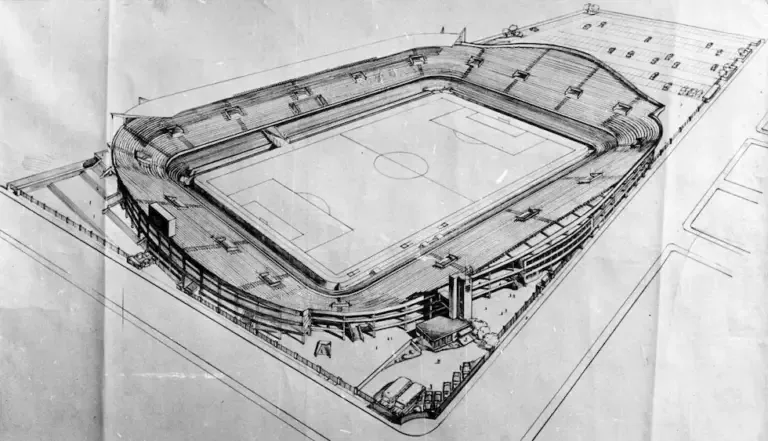
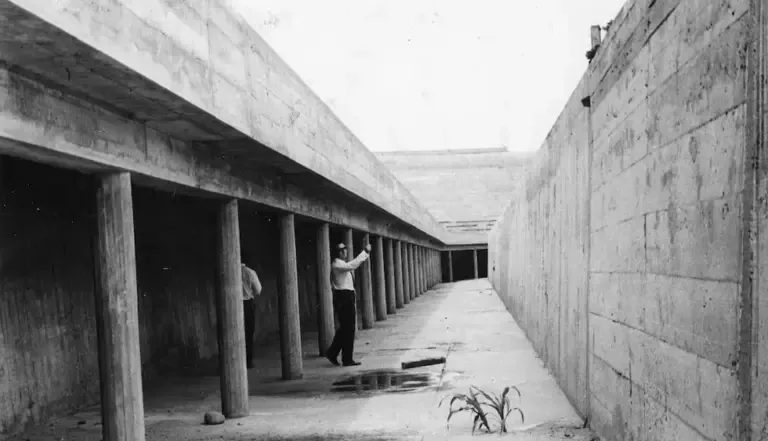
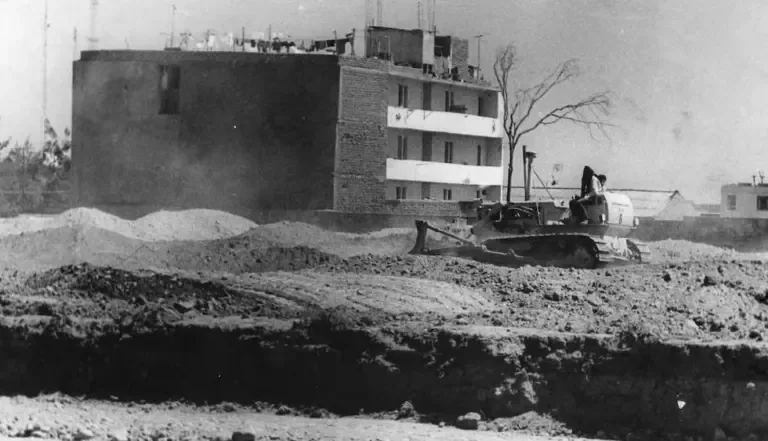
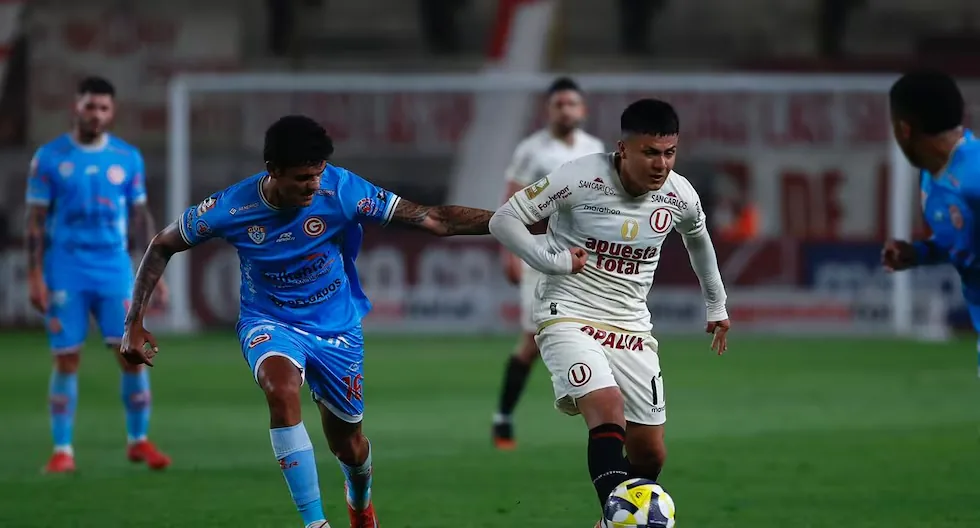
Alejandro Villanueva is also the name of the Matute stadium where Alianza Lima plays its home matches.
Read more Father’s Day: retail sales would exceed S/4.200 million driven by the 2026 World Cup